How a Roman soup inspired the world's most famous chocolate-flecked gelato flavor
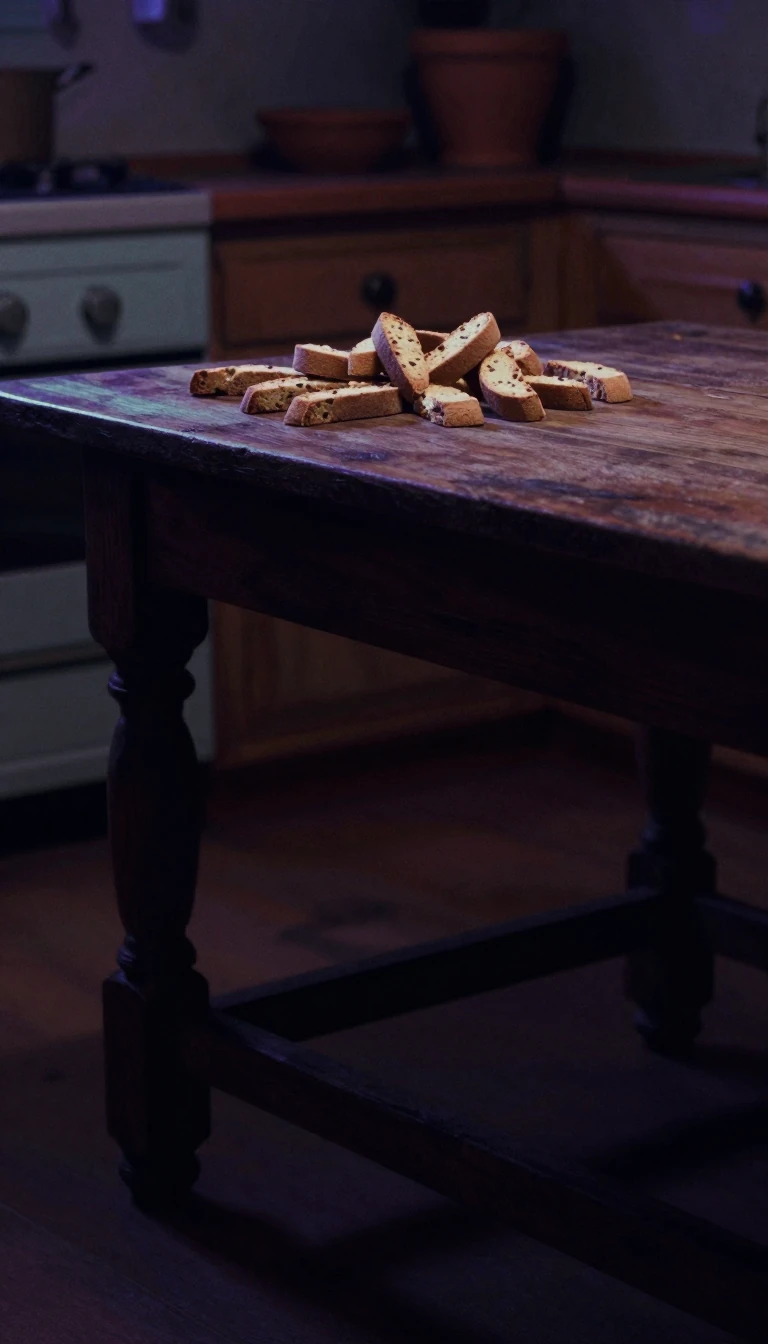
In short: Stracciatella is more than just chocolate chip ice cream. Its creation in 1961 was a deliberate culinary experiment, born from a restaurateur's frustration with a labor-intensive Roman soup. By mimicking the way egg drizzles solidify in hot broth, a new texture was born, forever changing the frozen dessert landscape.
The story of stracciatella begins in Bergamo, Italy, at the Ristorante La Marianna. In 1961, owner Enrico Panattoni sought to create a signature ice cream that would resonate with his patrons. Panattoni was a man of deep culinary curiosity, constantly experimenting with pastry and frozen confections. His inspiration, surprisingly, was not a dessert but a savory staple: stracciatella alla romana, a famous broth-based soup where beaten eggs are drizzled into boiling liquid to create delicate, irregular strands.
Panattoni wanted to replicate this visual and textural experience in a cold format. He realized that by drizzling melted dark chocolate into a batch freezer containing plain milk-based ice cream, he could achieve a similar effect. As the warm chocolate hit the freezing cream, it solidified instantly. The paddles of the ice-cream machine then shattered these hardened ribbons into the fine, irregular shreds that define the dish today. The name itself, stracciatella, translates to 'little shred' in Italian, directly referencing this mechanical process.
While modern variations now frequently pair vanilla ice cream with dark chocolate, the original vision was rooted in the contrast between a simple, creamy base and the sharp, shattered texture of chocolate. Panattoni’s invention was a success, transforming a repetitive kitchen task—stirring eggs into soup—into a sophisticated technique for ice cream production. Today, the method remains largely unchanged, relying on the physics of rapid temperature change to create the iconic, jagged chocolate pieces that distinguish stracciatella from standard chip-based flavors.
The legacy of this invention highlights how cross-disciplinary inspiration can lead to iconic food design. By observing the coagulation of proteins in a hot consommé, Panattoni successfully translated a savory technique into a global dessert phenomenon. His work at La Marianna remains a testament to the idea that innovation often requires looking outside one's immediate field to solve a creative problem, turning a simple desire to please customers into a permanent fixture of Italian gastronomy.
Opens the Intellect+ feed with this card first. Swipe up for the next one.
Sources
- Summary by Intellect · source: Stracciatella (ice cream)
To cite this card, link to https://intellectplus.co.uk/app/technology-stracciatella-ice-cream.
How we source, check and correct cards: Editorial standards.
General information, not professional advice. Spotted an error? Flag the card or see corrections and complaints.
Intellect Plus is a visual educational discovery platform for exploring fascinating facts and ideas. Brain Food, Not Brain Rot. What is Intellect Plus?
Related
More in History of food and drink · More in Food & Drink · Latest · A–Z · All topics
