Why Italian gelato is denser, smoother, and more intense than standard ice cream
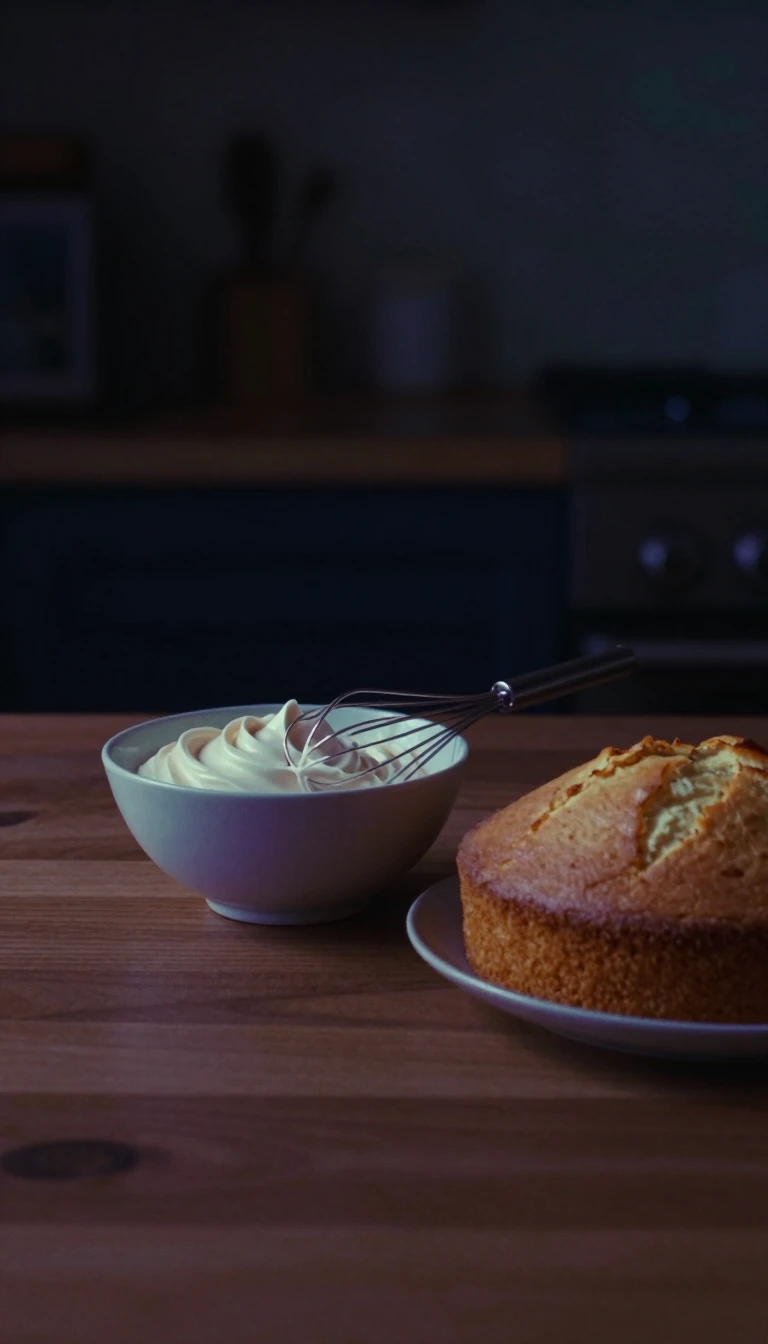
In short: While the word gelato simply means frozen in Italian, the artisanal style known globally is a technical marvel. By balancing lower butterfat with higher flavor concentration and less air, it achieves a signature texture. Discover the history of this dessert, from royal courts to the invention of automated batch freezers.
The distinction between gelato and other frozen desserts lies in its precise composition. Artisanal gelato typically contains 6 to 9 percent butterfat, a lower concentration than many other styles. It also incorporates 20 to 35 percent air, which, combined with a higher ratio of flavoring, produces an intense, dense, and creamy experience. The process is a delicate science: a custard base of milk and sugar is pasteurized at 85 degrees Celsius before being cooled to 5 degrees Celsius. Sugar plays a critical role here, binding to water to prevent the formation of large ice crystals, ensuring the final product remains smooth rather than solid.
The origins of gelato are debated among historians. Some credit 16th-century figures like Cosimo Ruggeri, who created fior di latte for Catherine de' Medici, or Bernardo Buontalenti, who innovated with a mixture of ice, salt, and various flavorings around 1565. Others suggest that Sicilian cooks gradually evolved earlier sherbet recipes into the modern form. Regardless of its exact birth, the dessert's trajectory changed in 1686 when Francesco Procopio dei Coltelli opened Café Procope in Paris. Using a machine inherited from his grandfather, he became one of the first to sell gelato to the general public, moving it beyond the exclusive reach of the nobility.
The 20th century brought industrial efficiency to the craft. In 1945, Bruto Carpigiani of Bologna introduced the Motogelatiera, the first automated gelato machine, which revolutionized the storage and production of batch-frozen desserts. Today, the tradition continues to evolve, blending classic foundations like fior di latte—a base without eggs or flavorings—with modern variations such as stracciatella, which adds chocolate chunks. From these historical roots to the record-breaking 2.81-meter-tall cone constructed in Rimini in 2011, gelato remains a testament to the intersection of culinary artistry and mechanical innovation.
Opens the Intellect+ feed with this card first. Swipe up for the next one.
Sources
- Summary by Intellect · source: Gelato
- Also: Wikidata — Gelato · CC0
- Also: Wikidata — gelato · CC0
To cite this card, link to https://intellectplus.co.uk/app/places-gelato.
How we source, check and correct cards: Editorial standards.
General information, not professional advice. Spotted an error? Flag the card or see corrections and complaints.
Intellect Plus is a visual educational discovery platform for exploring fascinating facts and ideas. Brain Food, Not Brain Rot. What is Intellect Plus?
Related
More in Cities · More in Countries & Cities · Latest · A–Z · All topics
