Strategic bombers are designed to destroy an enemy's capacity to wage war from afar.
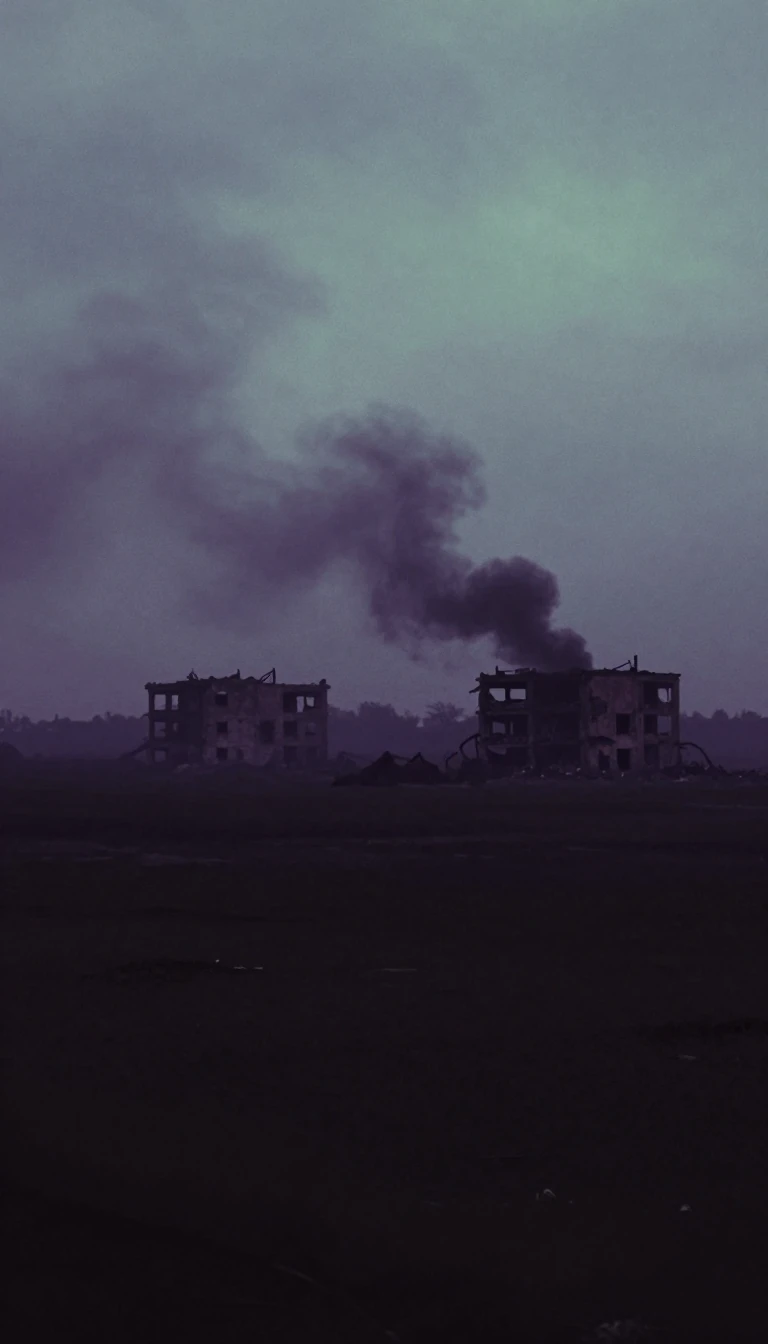
In short: Unlike tactical aircraft that target combatants, strategic bombers fly deep into enemy territory to dismantle infrastructure, logistics, and factories. While the role evolved from World War I airship raids, today only three nations operate these heavy assets, which remain central to global power projection and nuclear deterrence strategies.
The strategic bomber is defined by its mission: debilitating an enemy's ability to fight by striking at the heart of its industrial and logistical systems. While tactical bombers focus on immediate battlefield support, strategic bombers are built for long-range penetration. This concept emerged during World War I, when Russian Sikorsky Ilya Muromets aircraft and German Zeppelins began targeting distant assets. By the 1930s, figures like British Prime Minister Stanley Baldwin famously claimed that the bomber would always get through, fueling a belief that strategic terror bombing could decide conflicts in mere weeks.
The reality of World War II proved far more complex than interwar theory suggested. Early efforts were hampered by limited range and payload, and the lack of precision technology meant that pinpoint accuracy remained elusive. By 1945, however, heavy bombers like the Boeing B-29 Superfortress demonstrated the devastating potential of area bombing. Following the war, the Cold War cemented the strategic bomber as a pillar of mutually assured destruction, with superpowers maintaining fleets capable of delivering nuclear payloads on short notice. Some American B-52s were even kept airborne around the clock to ensure a rapid response.
Today, the strategic bomber landscape is exclusive, with only the United States, Russia, and China operating heavy fleets. As of 2025, the U.S. Air Force maintains 130 active bombers, including the B-52, B-1, and B-2. China follows with 120 Xi'an H-6 aircraft, while Russia operates 119 bombers across its Tu-95, Tu-22M, and Tu-160 platforms. Modern advancements have shifted the focus toward stealth technology and stand-off weapons, allowing these aircraft to remain relevant decades after their initial design. Despite their strategic origins, these platforms are frequently employed in tactical roles, as seen in conflicts from Vietnam to the 2003 invasion of Iraq.
The classification of these aircraft has always been fluid, often driven by bureaucratic needs rather than just technical specifications. During the 1950s, the U.S. Strategic Air Command redesignated older heavy bombers as medium bombers to distinguish them from newer, larger designs. Today, the integration of precision-guided munitions and cruise missiles ensures that even older airframes like the B-52 remain potent tools, capable of delivering massive firepower without needing to penetrate heavily defended airspace.
Opens the Intellect+ feed with this card first. Swipe up for the next one.
Sources
- Summary by Intellect · source: Strategic bomber
To cite this card, link to https://intellectplus.co.uk/app/technology-strategic-bomber.
How we source, check and correct cards: Editorial standards.
General information, not professional advice. Spotted an error? Flag the card or see corrections and complaints.
Intellect Plus is a visual educational discovery platform for exploring fascinating facts and ideas. Brain Food, Not Brain Rot. What is Intellect Plus?
Related
More in Military technology · More in Technology · Latest · A–Z · All topics
