Strategic bombing evolved from rudimentary World War I experiments into a decisive global conflict tool.
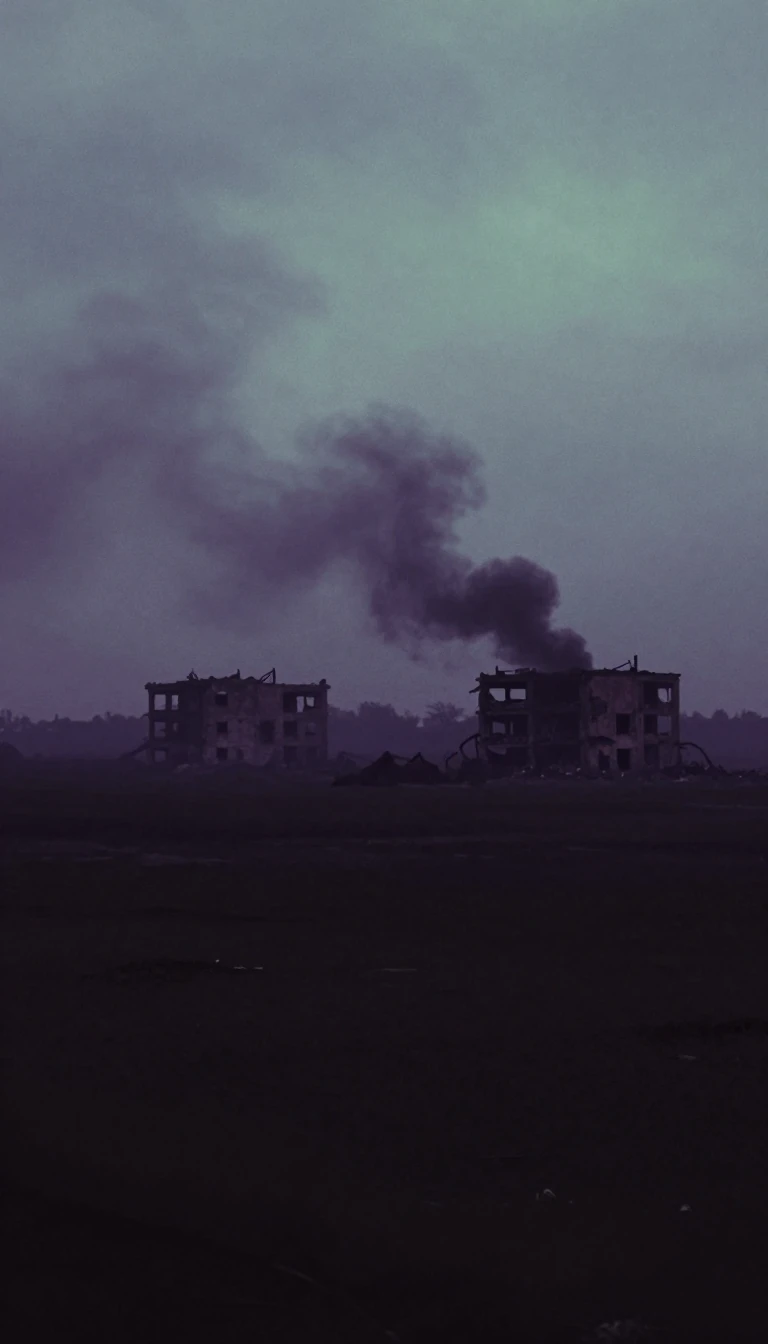
In short: Strategic bombing sought to break enemy morale and industrial capacity by bypassing front lines. While early efforts were limited by aircraft range and payload, the strategy matured into mass formations that overwhelmed defenses. This shift transformed cities into primary targets, leaving a legacy of destruction and complex ethical debates.
The concept of strategic bombing emerged from the stalemate of World War I, where entrenched firepower rendered traditional land offensives costly and slow. Theorists like Giulio Douhet and William Mitchell argued that air power could transcend two-dimensional warfare, striking directly at an enemy's industrial heart and home front. Despite early experiments in 1917 and 1918, the technology remained insufficient until the Second World War, when multi-engine bombers operating in massive formations became a central pillar of military strategy.
Early in the war, strategic bombing faced severe limitations. The 1942 Doolittle Raid on Japan highlighted the critical need for longer-range aircraft and forward bases. It was not until late 1944 that the U.S. Army effectively deployed B-29 Superfortress bombers from the Mariana Islands to strike the Japanese mainland. In Europe, the challenge was different; early B-17 missions suffered heavy casualties until the introduction of the long-range P-51 Mustang in 1943 provided the necessary escort to protect bombers deep within enemy territory.
The legality of these campaigns remains a point of contention. Because international law, including the 1907 Hague Conventions, had not been updated to account for aerial warfare, belligerents interpreted existing rules to allow for the targeting of cities. By the end of the war, the deliberate destruction of industrial and civilian centers was a recognized, albeit controversial, aspect of modern combat. While proponents argued it reduced enemy capacity and hastened surrender, the lack of post-war prosecution for these actions effectively left the morality of morale-based bombing an open, unresolved question.
Opens the Intellect+ feed with this card first. Swipe up for the next one.
Sources
- Summary by Intellect · source: Strategic bombing during World War II | Definition, Significance, Aircraft, Germany, & Japan | Britannica
- Also: Strategic Bombing Matured Quickly During WWII
- Also: Strategic bombing during World War II
To cite this card, link to https://intellectplus.co.uk/app/history-strategic-bombing-during-world-war-ii.
How we source, check and correct cards: Editorial standards.
General information, not professional advice. Spotted an error? Flag the card or see corrections and complaints.
Intellect Plus is a visual educational discovery platform for exploring fascinating facts and ideas. Brain Food, Not Brain Rot. What is Intellect Plus?
Related
More in Modern (1800-1945) · More in History · Latest · A–Z · All topics
