Why your basement needs a sump pump and how to keep it running reliably
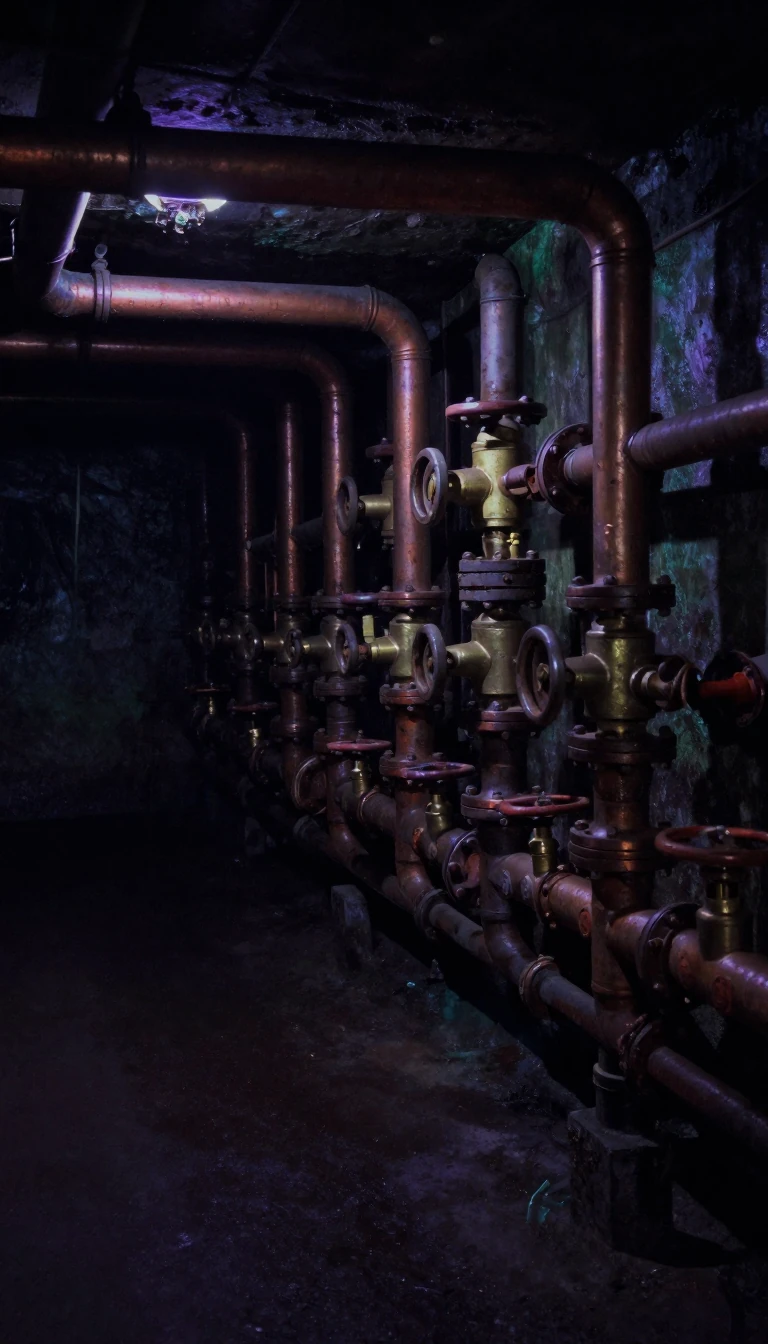
In short: A sump pump is the silent guardian of your home, preventing floods by channeling groundwater away from your foundation. Whether you rely on a classic pedestal model or a modern submersible unit, understanding its mechanics and maintenance is the difference between a dry basement and a costly, water-damaged disaster.
At its core, a sump pump is a mechanical solution to a geological problem. When a building sits below the water table or in an area prone to heavy seepage, water naturally collects in a low-point basin. The pump detects this rising water, typically via a float or pressure switch, and ejects it to a safe location like a storm drain or a dry well. This process, often called pumping to daylight, prevents the soil around your foundation from becoming saturated and unstable.
The technology has evolved significantly over the last century. While pedestal pumps—where the motor sits above the basin—were the standard for most of the 20th century, submersible pumps are now the preferred choice. These units are sealed, compact, and allow the basin to be covered, which reduces trip hazards and helps mitigate radon gas intrusion. Because the level-control switch is the most frequent point of failure, modern submersible designs often feature piggyback switches that are easy to replace without servicing the entire motor.
Reliability is the primary concern for any homeowner, as a pump failure during a storm can lead to immediate flooding. Experts recommend annual testing of the entire system, including the check valve, which prevents water from flowing back into the basin. Because mechanical devices eventually wear out, redundancy is vital. Many homeowners install secondary, battery-powered backup pumps that activate if the primary electrical pump fails or loses power. Some systems even include water alarms that send notifications to your phone if the water level rises too high.
Maintenance is not optional. Debris like sand and gravel can jam the check valve or obstruct the pump, forcing the motor to work harder and increasing the risk of overheating. For pedestal pumps, the lower bearing often remains submerged, making it prone to corrosion; these should be run manually during dry periods to prevent the shaft from freezing. By keeping the basin clear and testing your backup systems, you ensure that your home remains protected even when the weather turns severe.
Opens the Intellect+ feed with this card first. Swipe up for the next one.
Sources
- Summary by Intellect · source: Sump pump
To cite this card, link to https://intellectplus.co.uk/app/technology-sump-pump.
How we source, check and correct cards: Editorial standards.
General information, not professional advice. Spotted an error? Flag the card or see corrections and complaints.
Intellect Plus is a visual educational discovery platform for exploring fascinating facts and ideas. Brain Food, Not Brain Rot. What is Intellect Plus?
Related
More in Machinery and tools · More in Technology · Latest · A–Z · All topics
