The secret weapon of Nazi radio was a German tape recorder
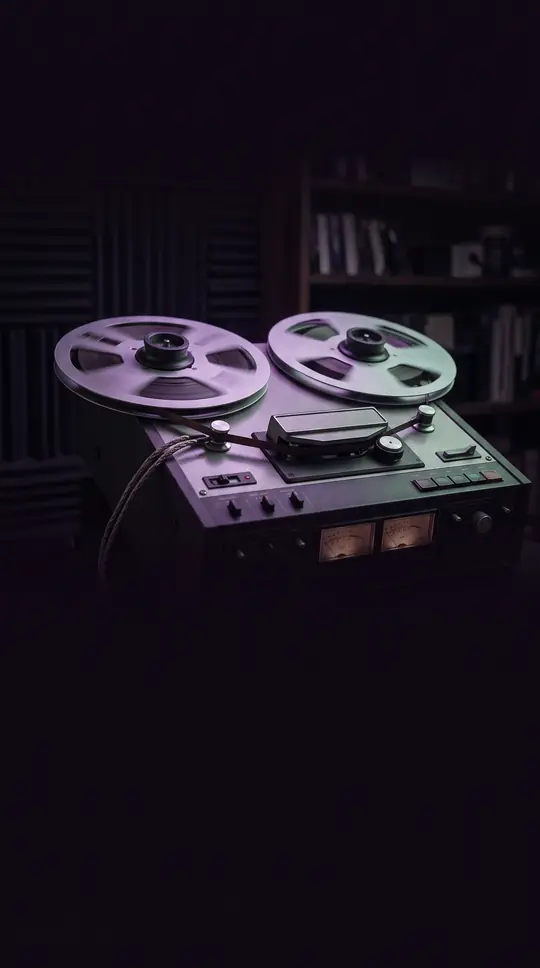
In short: During World War II, Allied analysts were baffled by German radio broadcasts that appeared to be live from multiple time zones simultaneously. The secret wasn't a miracle of physics, but a sophisticated piece of German engineering that revolutionized how humanity captures and manipulates sound.
The modern magnetic tape recorder was perfected in 1930s Germany by a collaboration between BASF, AEG, and the state radio RRG. Key innovations included Fritz Pfleumer's oxide-lacquered paper tape and the development of AC biasing, a technique discovered by Walter Weber that radically improved audio fidelity. By 1935, AEG demonstrated the Magnetophon K1, which featured a ring-shaped head designed to prevent the shredding common with earlier needle-shaped heads.
This technology gave producers unprecedented power: the ability to record, re-record, and edit audio with minimal quality loss. This was a massive leap over transcription discs or wire recorders, which were the previous standards. The impact was so profound that when the Allies captured German Magnetophon recorders from Radio Luxembourg at the end of the war, they realized these machines were the foundation for all future analog magnetic recording.
While the technology was revolutionary, early iterations were physically hazardous. The Blattnerphone, used by the BBC in the 1930s, utilized a magnetic steel tape that was described as being like a 'traveling razor blade.' If the tape snapped at 1.5 meters/second, it could rapidly cover the floor in sharp-edged loops. It wasn't until the late 1940s, with the work of the Brush Development Company and 3M, that consumer-friendly tapes using cellulose acetate or polyester became the standard.
The commercial explosion of the medium in the United States was fueled by figures like John T. Mullin and Bing Crosby. Mullin, who had investigated German electronics during the war, helped transition the technology from a military and state secret into a household staple, starting with the Soundmirror BK 401 in 1946.
Opens the Intellect+ feed with this card first. Swipe up for the next one.
Sources
- Summary by Intellect · source: Tape recorder
To cite this card, link to https://intellectplus.co.uk/app/technology-tape-recorder.
How we source, check and correct cards: Editorial standards.
General information, not professional advice. Spotted an error? Flag the card or see corrections and complaints.
Intellect Plus is a visual educational discovery platform for exploring fascinating facts and ideas. Brain Food, Not Brain Rot. What is Intellect Plus?
Related
More in Sound & audio technology · More in Technology · Latest · A–Z · All topics
