 Intellect Plus
Sound & audio technology
18 cards. Each one is a 40-second story with a five-minute read behind it.
 The invisible craft shaping every sound you hearAudio engineering is the bridge between raw performance and polished media. This video introduces the fundamental principles of sound production, demystifying how engineers shape …
 Why high-end car audio gear alone won't guarantee a great soundBuying the most expensive speakers and amplifiers is only half the battle. This video explores why mastering fabrication, design, and installation skills is essential for anyone l…
 The essential toolkit for troubleshooting professional live sound systemsReliable audio engineering depends on more than just mixing. This video breaks down the specific hardware an engineer carries in their workbox to diagnose, test, and repair comple…
- From Silence to Sound: The Rapid Evolution of Audio RecordingAudio recording is a cornerstone of modern life, yet it was virtually non-existent less than two centuries ago. This video traces the technological trajectory from early concepts …
 How computers translate physical vibrations into digital dataUnderstand the journey from air pressure to audio files. This lesson breaks down the mechanics of analogue-to-digital conversion, explaining how we capture sound and the specific …
 The foundational skill of audio engineering is not software, but ears.Mastering a mix requires more than just knowing which buttons to press. This video introduces a premier ear training technique designed to sharpen your critical listening skills, …
 The invisible physics of sound: Understanding the mechanics of wavesSound is more than just what we hear; it is a physical phenomenon of motion. This video introduces the fundamental science of audio, using animations to visualize how sound waves …
 How a guitar learned to speak by using human lungsImagine an instrument that does not just play notes but shapes them using the same physical mechanics as human speech. The talk box achieves this by turning a musician's mouth int…
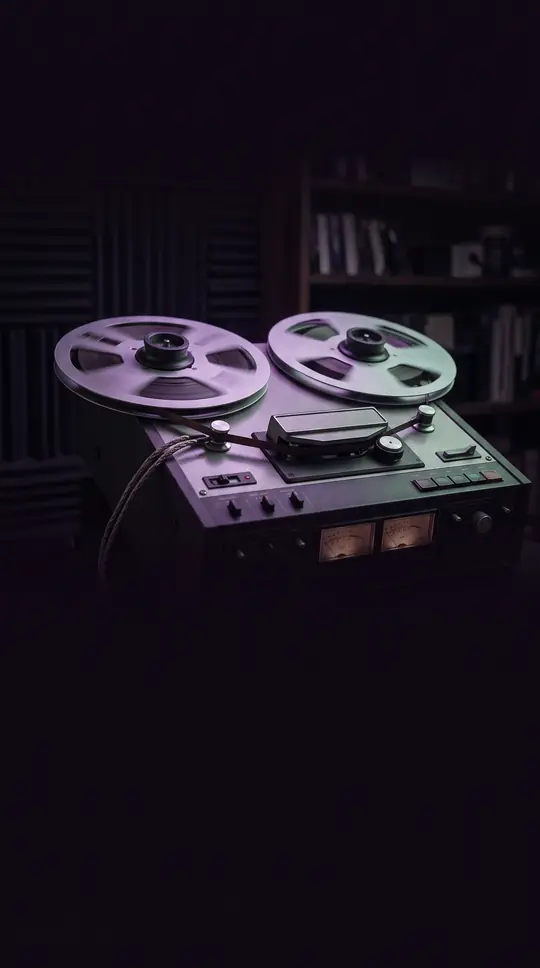 The secret weapon of Nazi radio was a German tape recorderDuring World War II, Allied analysts were baffled by German radio broadcasts that appeared to be live from multiple time zones simultaneously. The secret wasn't a miracle of physi…
 How a loop of tape changed the architecture of modern musicBefore musicians could manipulate time with a simple pedal, they had to physically move magnetic tape across metal heads. This mechanical process birthed the echo effect, transfor…
- The 1857 invention that could record sound but couldn't play it backBefore we could listen to records, we had to find a way to trap sound waves physically. In 1857, a device succeeded in etching audio onto a medium, but it was a one-way street. It…
 Can your ears actually hear the difference in high-resolution audio?High-resolution audio promises a studio-grade experience, yet its benefits remain a subject of intense debate. While industry giants and archives treat it as a gold standard, crit…
 How 0s and 1s replaced physical grooves and magnetic powderBefore the digital revolution, capturing sound required physical mastery over matter—carving grooves into plastic or magnetizing oxide particles. Today, we transform air pressure …
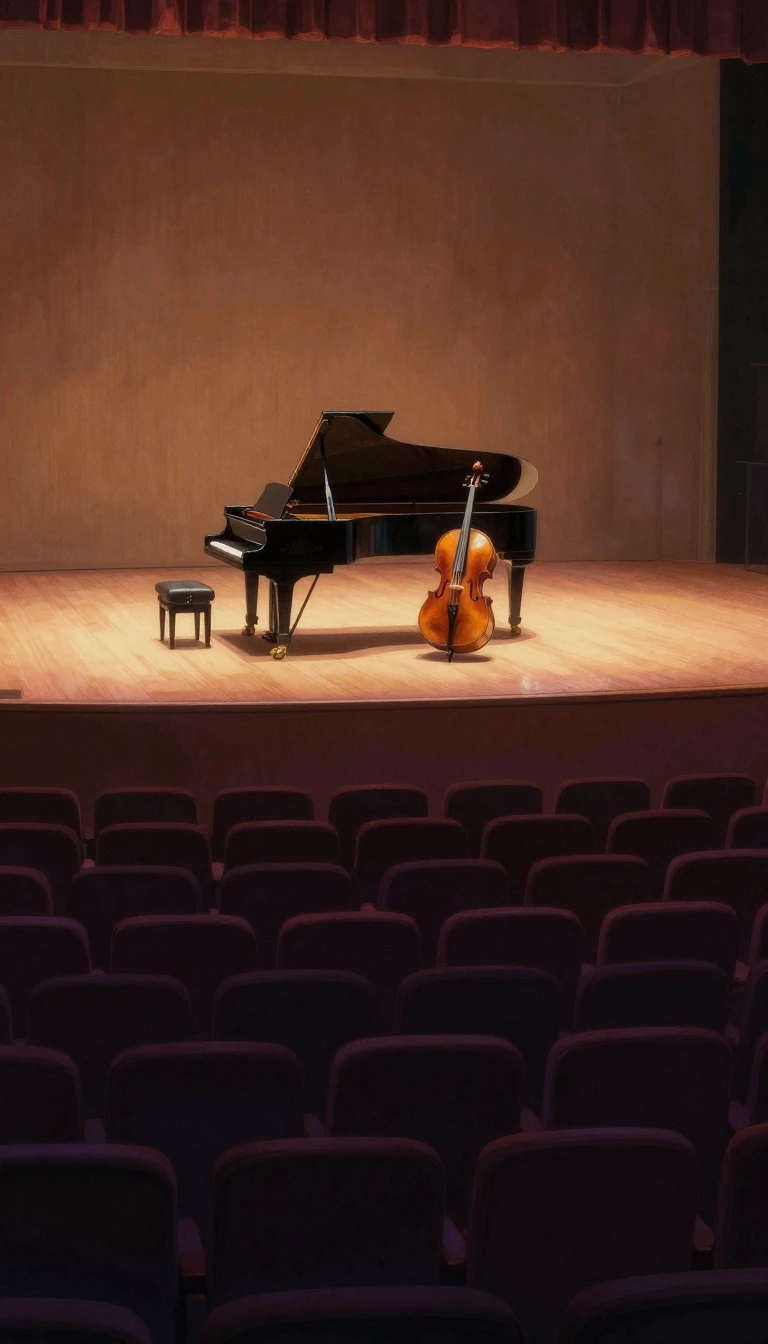 The invisible musicians: how backing tracks shape the live stageFrom a boombox in 1980s Austin to complex neural networks, backing tracks have redefined what it means to perform live. They allow a single person to sound like a symphony, but th…
 When sound hits a ceiling, it doesn't just stop—it squares off.Imagine pushing a wave until it hits a physical wall. In audio, this is clipping: a waveform distortion where an amplifier reaches its maximum capacity and simply cuts off the exc…
 How to sculpt a 3D soundscape from flat, linear recordingsA finished song is rarely a single performance; it is a meticulously constructed architecture of sound. By manipulating volume, frequency, and simulated space, mixing engineers tr…
 Why your ears hear a roar but your meter sees a whisperSound meters don't hear like humans do. To bridge this gap, engineers use A-weighting—a mathematical filter that mimics our biology. But this standard is currently caught in a str…
- Why your music sounds like it does is a 1970s compromiseThe standard sampling rate of 44,100 Hz isn't just a random number chosen for perfect audio. It is the result of industrial convenience, early video tape limitations, and a corpor…