How a simple fluid device multiplies engine power to move heavy loads
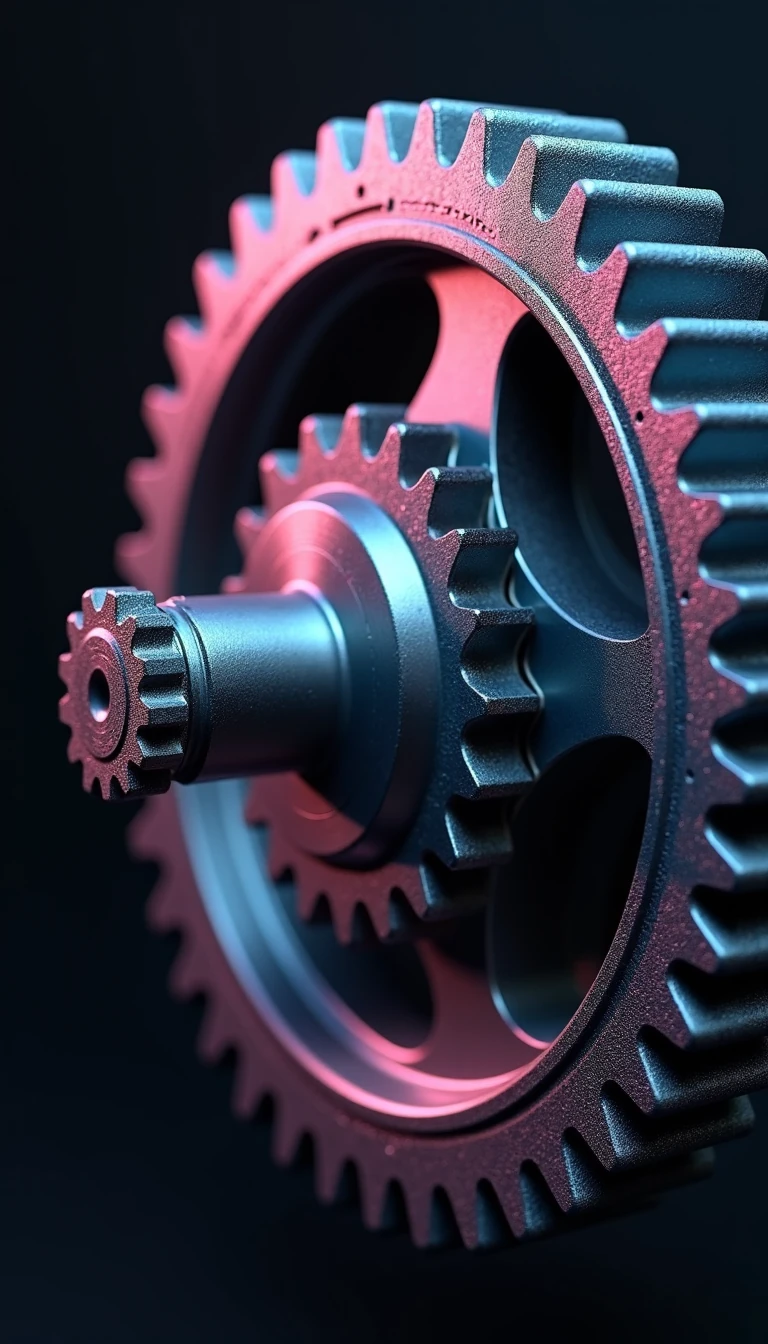
In short: A torque converter does what a standard clutch cannot: it multiplies engine torque to get heavy vehicles moving from a standstill. By using fluid dynamics and a clever internal component called a stator, it transforms rotational energy into the force needed to overcome inertia, then locks up for efficiency.
At its core, a torque converter is a hydrodynamic device that transfers power from an engine to a transmission using fluid. Unlike a simple fluid coupling, which can only match rotational speeds, a torque converter includes a stator. This component is the secret to its power; it redirects fluid returning from the turbine so that it aids, rather than opposes, the rotation of the impeller. This redirection allows the device to multiply torque, a capability essential for starting heavy loads.
The device operates in three distinct stages: stall, acceleration, and coupling. During the stall phase, the engine applies power while the vehicle is held stationary, resulting in maximum torque multiplication. As the vehicle accelerates, the speed difference between the impeller and turbine decreases. Finally, in the coupling phase, the turbine reaches about 90 percent of the impeller's speed. At this point, the stator's one-way clutch releases, allowing the components to rotate as a single unit.
Because fluid transmission inherently involves friction and turbulence, these converters generate waste heat and suffer from efficiency losses. To mitigate this, modern automotive designs almost universally incorporate a lock-up clutch. Introduced in vehicles like the 1949 Packard Ultramatic, this mechanism physically links the impeller and turbine at cruising speeds. By bypassing the fluid drive, the system eliminates slippage and power loss, effectively turning the converter into a purely mechanical coupling for better fuel economy.
The performance of a torque converter is highly sensitive to its physical size and the geometry of its blades. Engineers must balance the trade-off between high torque multiplication and overall efficiency. While specialized industrial systems can achieve multiplication ratios as high as 5.0:1, standard automotive applications typically range from 1.8:1 to 2.5:1. By adjusting blade angles or using multiple stators and turbines, designers can tailor the converter's characteristics to suit specific needs, from the high-stall requirements of drag racing to the efficiency demands of modern highway driving.
Opens the Intellect+ feed with this card first. Swipe up for the next one.
Sources
- Summary by Intellect · source: Torque converter
To cite this card, link to https://intellectplus.co.uk/app/technology-torque-converter.
How we source, check and correct cards: Editorial standards.
General information, not professional advice. Spotted an error? Flag the card or see corrections and complaints.
Intellect Plus is a visual educational discovery platform for exploring fascinating facts and ideas. Brain Food, Not Brain Rot. What is Intellect Plus?
Related
More in Inventions · More in Technology · Latest · A–Z · All topics
