Why the six-point star screw design conquered the world of modern engineering
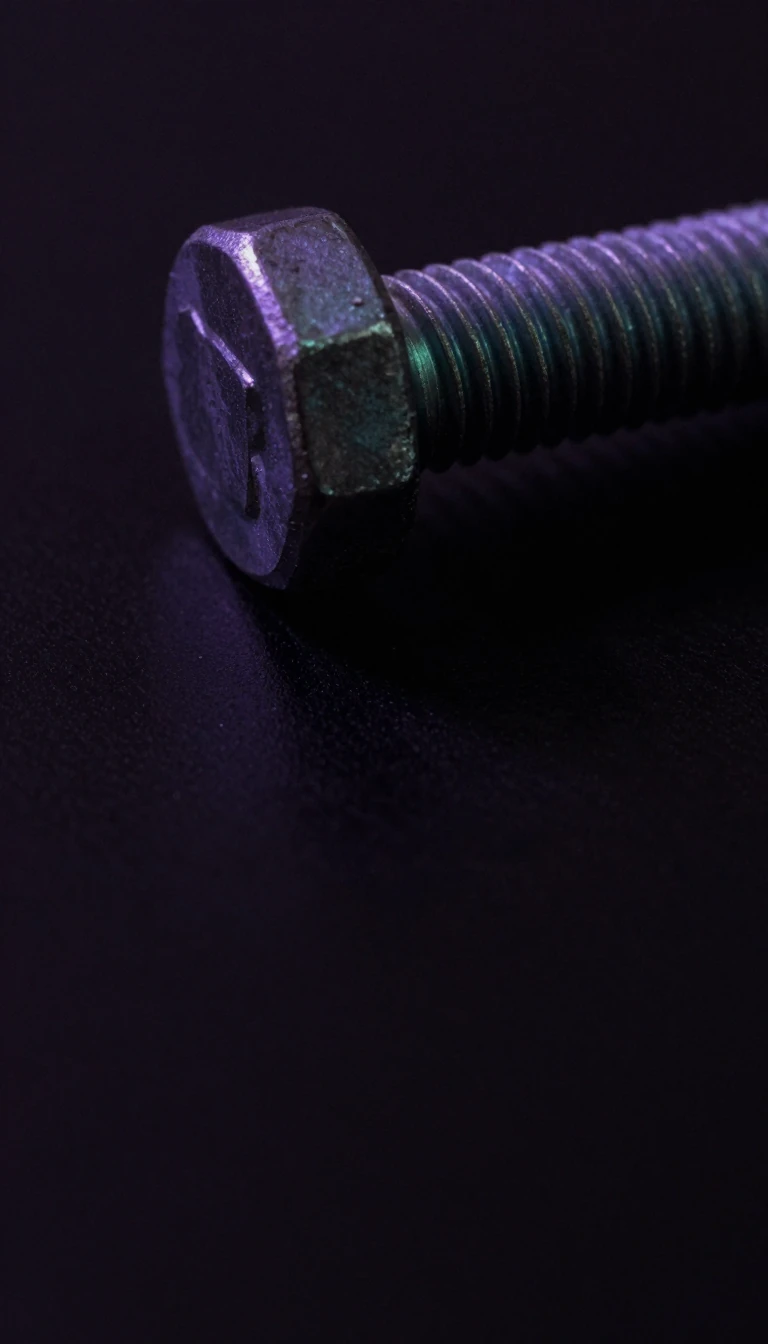
In short: Developed in 1967, the Torx drive replaced the slipping Phillips head with a star-shaped pattern that resists cam-out. By optimizing the contact angle, this design allows for higher torque in smaller spaces, fundamentally changing how we assemble everything from consumer electronics to heavy-duty industrial machinery and automotive components.
The Torx drive, officially standardized as ISO 10664 or hexalobular internal, was created by Camcar Textron to solve a persistent mechanical failure: cam-out. In older designs like the Phillips or slot head, the driver would naturally slip out of the screw head once a certain torque was reached. While this was once considered a feature to prevent over-tightening, it frequently damaged the tool and the fastener. The Torx design, with its six-point star geometry, was engineered to prevent this slippage, relying instead on modern torque-limiting automatic screwdrivers to ensure consistency.
The mechanical advantage of Torx lies in its geometry. When a driver engages a screw, it exerts a rotational force, but also a radial force that tends to burst the female component or crush the male one. In a conventional hex socket, this radial force is significant. In a Torx design, the contact angle is much closer to 90 degrees, which drastically reduces the damaging radial force. This efficiency allows for smaller fastener heads without sacrificing torque, a critical advantage in space-constrained applications like hard disk drives and compact electronics.
Since its introduction, the system has evolved into a family of specialized variants. Torx Plus, launched around 1990, features more square-shaped lobes to minimize wear and increase torque capacity. Other iterations include the tamper-resistant Security Torx, which incorporates a center post, and the 2006 Torx ttap, which adds a second recess to eliminate wobbling. While the brand name is often used generically to describe any star-shaped driver, the original design remains a cornerstone of modern assembly, used across industries from automotive manufacturing to railroad construction.
Opens the Intellect+ feed with this card first. Swipe up for the next one.
Sources
- Summary by Intellect · source: Torx
To cite this card, link to https://intellectplus.co.uk/app/technology-torx.
How we source, check and correct cards: Editorial standards.
General information, not professional advice. Spotted an error? Flag the card or see corrections and complaints.
Intellect Plus is a visual educational discovery platform for exploring fascinating facts and ideas. Brain Food, Not Brain Rot. What is Intellect Plus?
Related
More in Inventions · More in Technology · Latest · A–Z · All topics
