How the graphics revolution of 1999 changed gaming performance forever
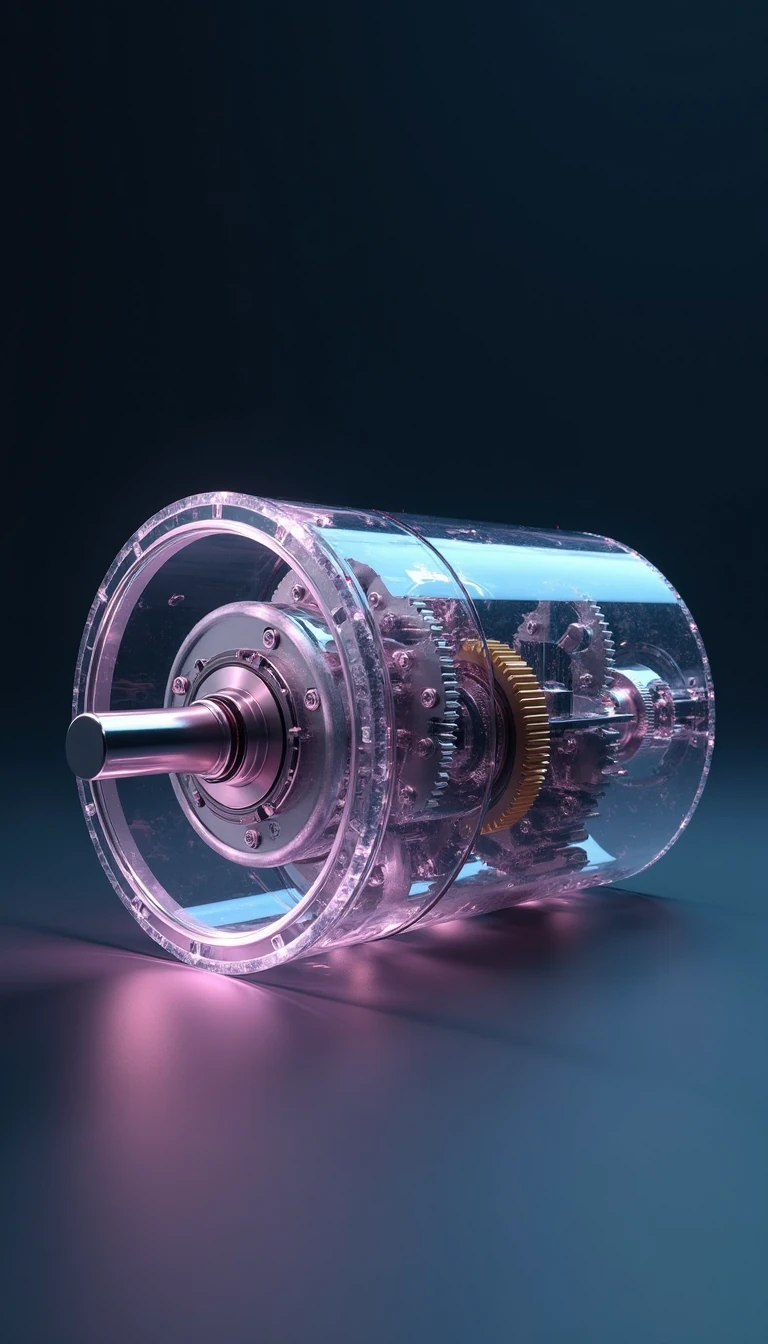
In short: Before 1999, your PC processor did all the heavy lifting to render 3D worlds. When hardware transform, clipping, and lighting arrived, it offloaded these complex tasks to dedicated chips. This shift transformed how games looked and performed, eventually forcing every graphics card manufacturer to adopt the technology to remain relevant.
Transform, clipping, and lighting—often abbreviated as T&L—is the foundational process of turning a 3D scene into a 2D image. Transformation maps the 3D scene to a 2D view, clipping discards parts of the scene outside the frame, and lighting adjusts surface colors based on environmental data. While arcade systems and consoles like the Sega Saturn and PlayStation used coprocessors for these tasks as early as 1994, personal computers relied on software-based T&L until the late 1990s.
By 1999, the complexity of 3D games began to outpace the growth of CPU processing power. Nvidia addressed this with the GeForce 256, the first consumer PC graphics card to feature hardware T&L. Although competitors like 3dfx argued that faster CPUs could compensate for the lack of a dedicated T&L unit, the industry quickly shifted. By the end of 2001, hardware T&L had become a standard feature for all discrete graphics chips, rendering cards without it, such as the Kyro II, obsolete for modern gaming.
The transition was not immediate. Early critics argued that hardware T&L offered little real-world value because many games were optimized for CPU-based geometry transformation. However, benchmarks like Futuremark's 3DMark 2000 highlighted the performance gap, penalizing cards that lacked the hardware. Ultimately, hardware T&L did not introduce new rendering features, but the performance gains allowed for significantly more complex scenes. This standard paved the way for the DirectX 8.0 era, which introduced fully programmable vertex and pixel shaders, though early titles often maintained compatibility with DirectX 7.0 hardware until roughly 2006.
Opens the Intellect+ feed with this card first. Swipe up for the next one.
Sources
- Summary by Intellect · source: Transform, clipping, and lighting
To cite this card, link to https://intellectplus.co.uk/app/technology-transform-clipping-and-lighting.
How we source, check and correct cards: Editorial standards.
General information, not professional advice. Spotted an error? Flag the card or see corrections and complaints.
Intellect Plus is a visual educational discovery platform for exploring fascinating facts and ideas. Brain Food, Not Brain Rot. What is Intellect Plus?
Related
More in Computing and information technology · More in Technology · Latest · A–Z · All topics
