How a radical 19th-century experiment became a global research powerhouse in central London
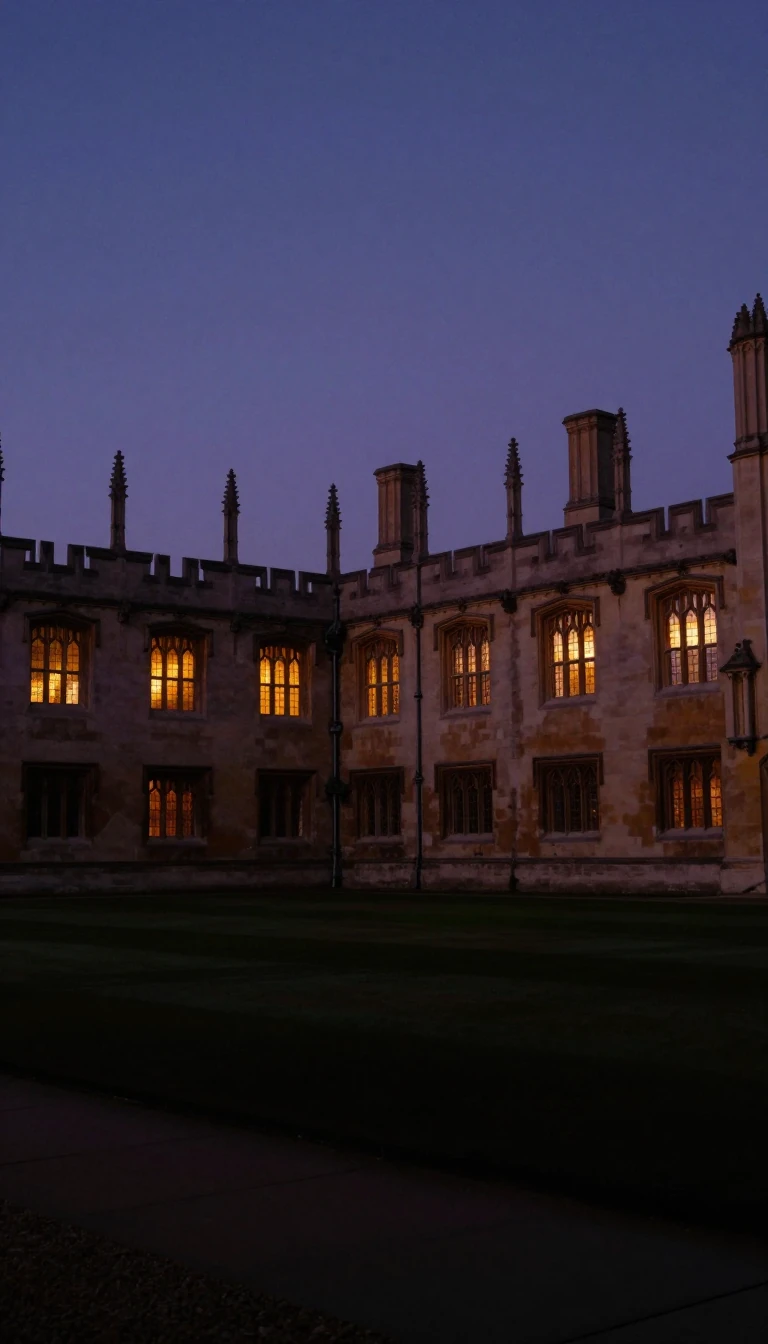
In short: Founded in 1826 to challenge the religious exclusivity of Oxford and Cambridge, University College London pioneered secular education and opened its doors to students regardless of faith. Today, it stands as a massive research engine, generating billions for the UK economy while grappling with its own complex historical legacy.
Established as London University, the institution was built on the progressive ideals of Jeremy Bentham, though his actual role was limited to a single share purchase. It was designed to provide an alternative to the Anglican-dominated universities of the era. By 1878, it became one of the first British colleges to admit women, though equality in all faculties—such as medicine—took decades to achieve. The institution spent much of the 19th century fighting for legal recognition, eventually becoming a founding college of the University of London in 1836 before finally achieving formal university status in 2023.
UCL’s growth has been defined by a relentless strategy of mergers, absorbing specialized institutions ranging from the Institute of Ophthalmology to the School of Pharmacy and the Institute of Education. This expansion has created a sprawling footprint, with its historic Bloomsbury campus now complemented by the modern UCL East development at the Queen Elizabeth Olympic Park. The university’s research output is vast, contributing an estimated £10 billion annually to the UK economy through its diverse academic and commercial activities.
The institution’s history is not without controversy. In the 20th century, it became a hub for eugenics research, a legacy it formally apologized for in 2021 after years of internal pressure. More recently, the university has taken steps to modernize its culture, becoming the first Russell Group institution to prohibit romantic relationships between staff and students. Today, UCL remains a member of the prestigious 'golden triangle' of research-intensive universities, maintaining a global reach that includes 33 Nobel Prize laureates and three Fields Medal recipients among its alumni and staff.
Opens the Intellect+ feed with this card first. Swipe up for the next one.
Sources
- Summary by Intellect · source: University College London
To cite this card, link to https://intellectplus.co.uk/app/technology-university-college-london.
How we source, check and correct cards: Editorial standards.
General information, not professional advice. Spotted an error? Flag the card or see corrections and complaints.
Intellect Plus is a visual educational discovery platform for exploring fascinating facts and ideas. Brain Food, Not Brain Rot. What is Intellect Plus?
Related
More in Technology today · More in Technology · Latest · A–Z · All topics
