The evolution of instructions from ancient gears to AI assistants
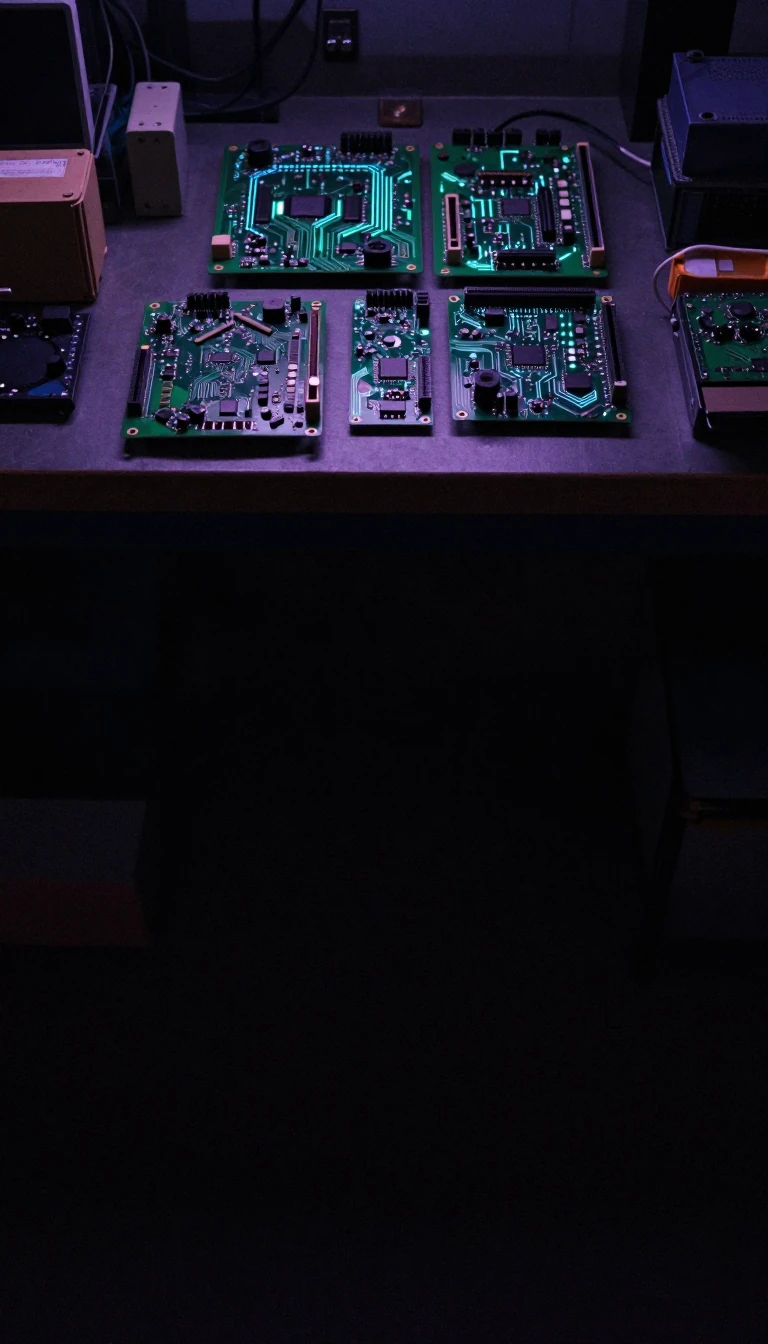
In short: We often view user guides as modern necessities, but the impulse to document complex systems is millennia old. From 2,000-year-old Greek computers to today's digital manuals, these documents have shifted from detailed repair blueprints to streamlined safety warnings and interactive AI interfaces.
The history of user documentation reveals a shift toward simplification driven by economic and technological pressures. Until the late 20th century, owner's manuals frequently included intricate repair details like circuit diagrams. However, as products became more complex and cheaper to replace than fix, this technical depth was moved to specialized service manuals or discarded entirely. Today, many modern devices are so complex that manufacturers provide separate 'quickstart guides' to prevent users from being overwhelmed by the sheer volume of information.
Standardization plays a critical role in how we receive instructions today. For instance, the international standard IEC 82079 prescribes specific topics for installation instructions, such as unpacking and mounting procedures. Similarly, the European Machinery Directive mandates that manuals for industrial machines must include assembly and connecting instructions with specific diagrams. These requirements ensure that regardless of the product—be it a household appliance or heavy machinery—the user can find essential safety and operational data in a predictable format.
The medium of these guides has undergone a radical transformation. In the pre-Unix era, mainframe documentation was often organized into steel binders bolted to tables for modular updates. Modern software documentation has branched into various formats: book-like PDFs with internal links (like Google Earth), CD-ROMs to save manufacturing costs, and instructional videos. Most recently, we are seeing a move toward natural language interaction, exemplified by vehicle assistants like 'Ask Mercedes' which use AI to answer user questions directly.
Interestingly, the concept of an 'owner's manual' has transcended physical products entirely. The phrase is now used as a literary analogy for instructional books on non-manufactured entities, including pets, body parts, and businesses. This highlights how deeply ingrained our need for structured guidance is—it is no longer just about operating a machine, but about navigating the complexities of life itself.
Opens the Intellect+ feed with this card first. Swipe up for the next one.
Sources
- Summary by Intellect · source: User guide
To cite this card, link to https://intellectplus.co.uk/app/technology-user-guide.
How we source, check and correct cards: Editorial standards.
General information, not professional advice. Spotted an error? Flag the card or see corrections and complaints.
Intellect Plus is a visual educational discovery platform for exploring fascinating facts and ideas. Brain Food, Not Brain Rot. What is Intellect Plus?
Related
More in Machinery and tools · More in Technology · Latest · A–Z · All topics
