Before modern convenience, adding hardware to your computer often required a soldering iron.
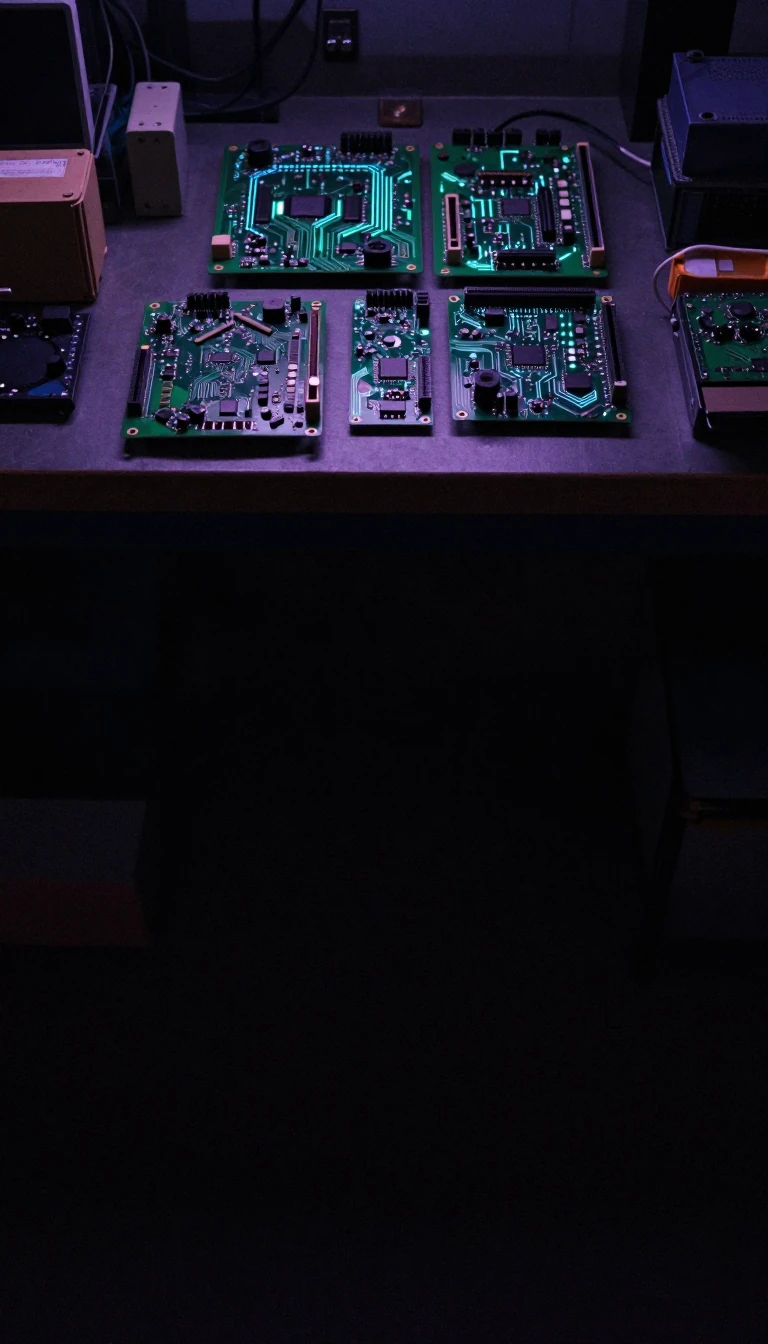
In short: Today, plugging in a device is seamless, but early computing was a manual nightmare. Users once had to physically cut wires, solder connections, or toggle tiny switches to avoid resource conflicts. This evolution from manual configuration to automated Plug and Play defined the transition of computing into the mainstream.
In the early days of microcomputing, expansion devices required manual setup to communicate with the host system. Each peripheral needed unique assignments for memory addresses, direct memory access channels, and interrupt request lines. Users often had to adjust hard-wired jumpers or DIP switches to ensure these resources did not overlap. For some, the process was even more permanent, requiring the physical cutting and soldering of wires to configure hardware for the life of the machine.
As computers became accessible to the general public, the industry sought to automate this complexity. Early attempts included the 1983 MSX standard, which used virtual address spaces to eliminate conflicts, and the 1984 NuBus architecture, which offered fully automated configuration. However, these solutions were often expensive or proprietary. IBM’s Micro Channel Architecture, released in 1987, promised automatic self-configuration via floppy disks, but it ultimately failed to gain widespread support because IBM demanded royalties and non-disclosure agreements from clone manufacturers, leading the industry to favor the open EISA standard instead.
The modern era of Plug and Play truly arrived with Windows 95. Microsoft introduced a method to enumerate hardware at boot time and allocate resources automatically. Yet, the transition was far from perfect. Because systems often contained a mix of old, manual-configuration ISA cards and newer hardware, the autodetection process was frequently unreliable. Conflicts were so common that users jokingly referred to the technology as 'Plug and Pray.' It was not until the widespread adoption of PCI and later interfaces like USB and Thunderbolt that the need for manual intervention largely vanished.
Today, the principle of 'convention over configuration' dominates, yet some limitations persist. While modern interfaces like PCI Express and USB handle resource allocation seamlessly, operating systems often struggle to provide users with clear data on interface bandwidth or device performance. We have moved past the era of soldering irons, but the underlying complexity remains hidden behind layers of abstraction, leaving users with little visibility into how their hardware actually communicates.
Opens the Intellect+ feed with this card first. Swipe up for the next one.
Sources
- Summary by Intellect · source: Plug and play
To cite this card, link to https://intellectplus.co.uk/app/technology-plug-and-play.
How we source, check and correct cards: Editorial standards.
General information, not professional advice. Spotted an error? Flag the card or see corrections and complaints.
Intellect Plus is a visual educational discovery platform for exploring fascinating facts and ideas. Brain Food, Not Brain Rot. What is Intellect Plus?
Related
More in Computing and information technology · More in Technology · Latest · A–Z · All topics
