The final conventional supercarrier of the U.S. Navy was a class of one.
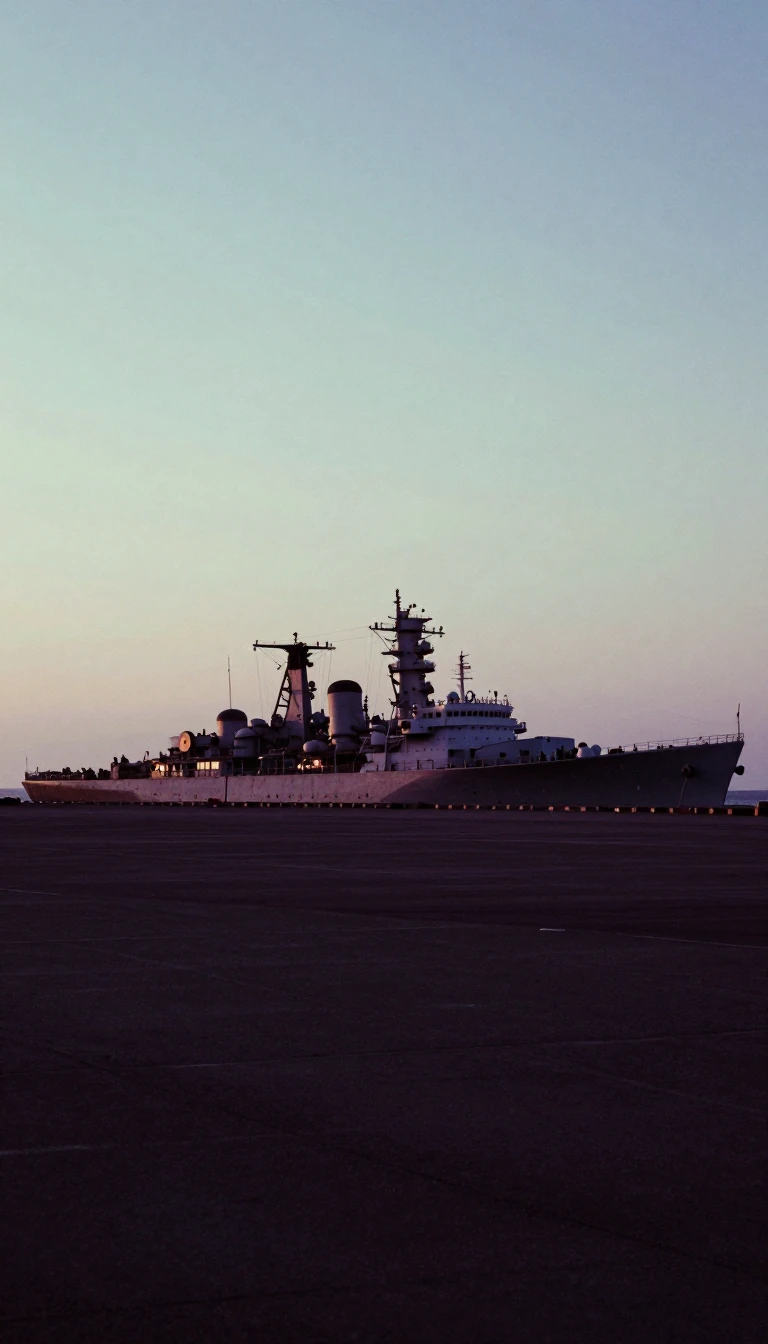
In short: Commissioned in 1968, the USS John F. Kennedy was the last conventionally-powered aircraft carrier built for the United States Navy. Originally intended as a fourth Kitty Hawk-class ship, she underwent so many modifications during construction that she became a unique class, serving for nearly 40 years before her recent final voyage.
The USS John F. Kennedy (CV-67) was an anomaly in naval engineering. Designed under the SCB-127C project, her construction began in 1964 at Newport News Shipbuilding. Although initially ordered to feature nuclear propulsion via an A3W reactor, the design was converted to conventional power mid-construction. This shift, combined with numerous other modifications—including an island with angled funnels to divert smoke from the flight deck—resulted in a vessel that stood apart from the Kitty Hawk class, despite being 17 feet shorter.
Her service life was marked by both high-stakes global operations and internal turmoil. She was a key player in the response to the 1973 Yom Kippur War and Operation Desert Storm, where she launched nearly 2,900 sorties. However, the ship also faced significant operational challenges, including a 1975 collision with the cruiser Belknap that resulted in casualties, and a 1976 collision with the destroyer Bordelon. She was also the site of multiple arson incidents, most notably in 1979, which claimed the life of a shipyard worker.
By the mid-1990s, the Navy attempted to repurpose her as an operational reserve carrier, but funding shortfalls hampered maintenance. Following the 11 September 2001 attacks, she returned to active duty, but by 2005, the Navy determined she was the most expensive carrier in the fleet to maintain. After being decommissioned in 2007, she spent years at the Philadelphia Naval Shipyard. While there were initial hopes to preserve her as a museum, the Navy eventually revoked her donation status in 2017. In January 2025, she began her final journey to Brownsville, Texas, to be dismantled.
Her legacy persists through her successor, the Gerald R. Ford-class USS John F. Kennedy (CVN-79). While the original ship was a relic of conventional power, the new carrier represents the modern nuclear-powered era. The original ship's unique in-port cabin, famously decorated by Jacqueline Kennedy, was preserved for the National Museum of Naval Aviation, ensuring a piece of her history remains after the hull is gone.
Opens the Intellect+ feed with this card first. Swipe up for the next one.
Sources
- Summary by Intellect · source: USS John F. Kennedy (CV-67)
To cite this card, link to https://intellectplus.co.uk/app/technology-uss-john-f-kennedy-cv-67.
How we source, check and correct cards: Editorial standards.
General information, not professional advice. Spotted an error? Flag the card or see corrections and complaints.
Intellect Plus is a visual educational discovery platform for exploring fascinating facts and ideas. Brain Food, Not Brain Rot. What is Intellect Plus?
Related
More in Transportation · More in Technology · Latest · A–Z · All topics
