 Intellect Plus
Transportation
139 cards. Each one is a 40-second story with a five-minute read behind it.
 Navigating the complex web of San Francisco's public transit systemsSan Francisco's transit isn't a single network; it is a collection of overlapping systems. This guide explains how to distinguish between them and choose the right mode for your s…
 From footpaths to flight: how movement reshaped human civilizationHuman progress is defined by our ability to overcome distance. By evolving from ancient animal-drawn carts to engine-powered aircraft, we didn't just change how we travel; we fund…
 The invisible architecture orchestrating the global movement of goodsHow do companies coordinate thousands of shipments and carriers simultaneously? This video breaks down the Transportation Management System (TMS), the essential software layer tha…
 Navigating the Italian transit system as a curious travelerPlanning a trip to Bologna requires more than just a map. This guide breaks down the practicalities of using local buses, regional trains, and the Marconi Express to move efficien…
 Navigating the Roman transit system requires more than just a ticketPlanning a trip to Rome means mastering its complex transport network. This guide breaks down how to move from the airports into the city center and navigate local transit efficie…
 The invisible infrastructure powering American global military reachHow does a superpower move massive amounts of equipment across the globe in days? This video explores the logistical backbone of the US military, revealing the sheer scale of the …
 The Control Tower View: Orchestrating Global Supply ChainsMoving goods across the globe requires more than just trucks; it requires a centralized nervous system. This video explains how a Transportation Management System (TMS) acts as th…
 Navigating one of the world's most complex transit hubsIstanbul offers a dense, multi-modal network that can be overwhelming for first-time visitors. This guide breaks down how to move between continents and neighborhoods using the ci…
 The baseball team that lost its city to a shared stadiumIn 1926, the St. Louis Browns were the city's primary baseball draw. Then, a series of ownership blunders and a shared stadium turned them into tenants of their own home. This is …
 The engineering feat that built a city and destroyed an ecosystemThe Los Angeles Aqueduct is a masterpiece of gravity-fed engineering, moving water hundreds of miles to fuel a metropolis. But this triumph of infrastructure came at a staggering …
 The constitutional loophole that shaped a Missouri governorshipHow does a politician enter the highest office in the state without first winning an election? Mike Kehoe’s rise to the Missouri governorship involved a high-stakes legal battle o…
 The British rail network is returning to state ownershipFor years, the UK's passenger rail services operated under private management. That era is ending. Following a shift in government policy, the backbone of Britain’s commuter infra…
 The mechanics of motion: how cars shift gears for youEver wondered what actually happens when you switch from a manual to an automatic transmission? This video breaks down the fundamental engineering differences between the two syst…
 The Italian helicopter that became a global workhorse for VIPs and military forcesBorn in the late 1960s as Italy's first mass-produced indigenous rotorcraft, the AgustaWestland AW109 evolved from a simple commercial design into a versatile, high-speed platform…
 The Soviet rotary cannon that became the world's most ubiquitous naval point-defense systemThe AK-630 is a six-barreled, 30 mm naval cannon designed to shred incoming missiles and aircraft. Since its inception in the 1960s, this automated turret has become a staple of S…
 How the Americans with Disabilities Act transformed public transit and civil rights in 1990Signed into law in 1990, the Americans with Disabilities Act established a comprehensive national mandate to eliminate discrimination against individuals with disabilities. By tar…
- The autogyro is a rotorcraft that flies by letting the wind spin its blades.Unlike a helicopter, which forces air through its rotors using an engine, an autogyro relies on autorotation. Its rotor blades act like glider wings, spinning freely as air flows …
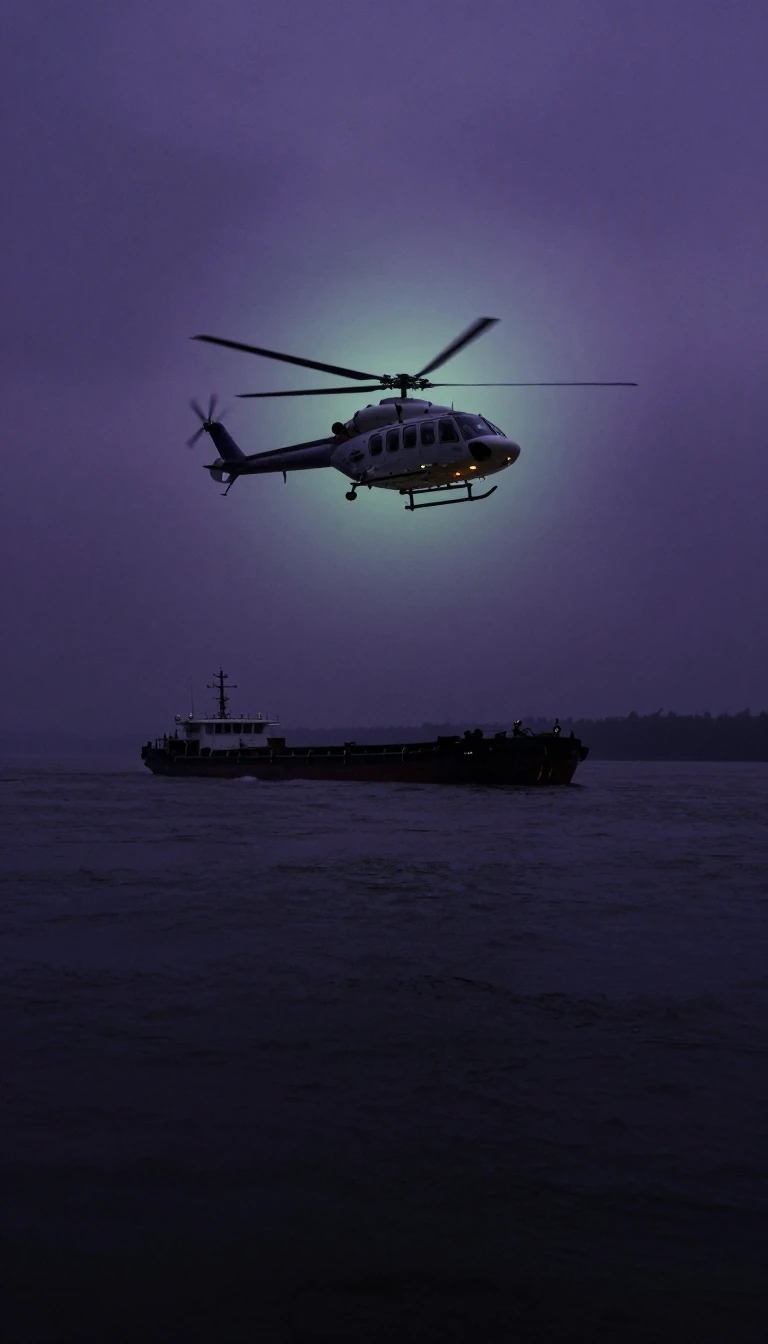 How a rejected military prototype became the world's most iconic utility helicopterThe Bell 206 began as a failed military bid, mocked as the Ugly Duckling. Yet, through a simple aesthetic redesign and a shift to the commercial market, it transformed into the Je…
 Why the Brooklyn Dodgers were named after the city's dangerous, high-speed electric trolleysLong before they were a baseball dynasty, the Dodgers were named for the agility of Brooklyn residents. As the city transitioned from horse-drawn carriages to high-speed electric …
 How a historic naval powerhouse struggled to redesign its congested modern transport networkChatham, Kent, spent centuries as a vital Royal Navy shipyard, but the closure of its dockyard in 1984 triggered a massive economic shift. As the town transitioned, it faced a per…
- Why the humble tank tread is a masterpiece of weight distribution and engineeringContinuous tracks allow massive vehicles to traverse soft ground without sinking by spreading weight over a large surface area. While often associated with modern warfare, this te…
 How the nation's largest aviation giant survived its own obsolescence by reinventing itselfFormed in 1929 as America's premier aviation titan, Curtiss-Wright once built over 140,000 engines for the wartime effort. Yet, when the jet age arrived, the company failed to ada…
- How Mumbai’s lunch delivery network achieves near-perfect efficiency without using a single computerFor over a century, thousands of Mumbai dabbawalas have transported hundreds of thousands of home-cooked meals daily. Relying on bicycles, trains, and a sophisticated color-coding…
 The cul-de-sac: a quiet suburban sanctuary or a dangerous, car-dependent urban trap?For decades, the cul-de-sac has been the gold standard of suburban living, promising safety, tranquility, and higher property values. Yet, beneath this veneer of peace lies a comp…
 How a single 400-metre container ship paralyzed global trade for six days in 2021In March 2021, the Ever Given, one of the world's largest container ships, ran aground in the Suez Canal, wedging its massive hull across the waterway. The resulting blockage halt…
- Why the world's most historic cities are named after simple river crossingsBefore bridges spanned every waterway, humanity relied on fords—shallow, natural river crossings. These humble spots dictated trade routes, birthed major cities like Oxford and Fr…
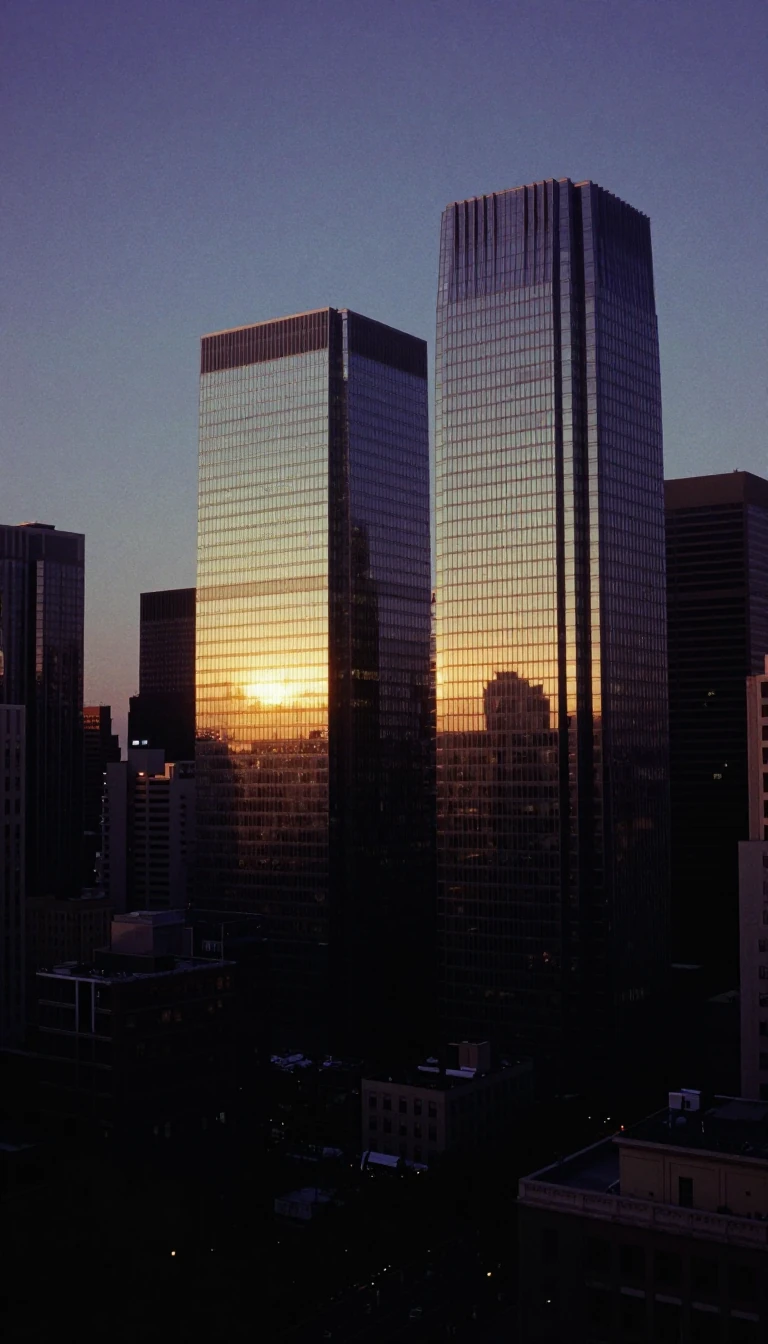 The Governor of New York: A Stepping Stone to the American PresidencyAs the highest-paid state leader in the country, the Governor of New York holds immense executive power. Beyond managing the state, the office has historically served as a launchp…
 Why these hybrid wingships skim the waves instead of soaring through the cloudsGround-effect vehicles, or ekranoplans, operate in the narrow space between flight and sailing. By trapping air beneath their wings, they achieve remarkable efficiency and speed o…
- The Spruce Goose was a wartime giant that flew only once in its life.Designed to bypass German U-boats during World War II, the Hughes H-4 Hercules remains the largest seaplane ever built. Though critics mocked its wooden construction, this massive…
- The Soviet giant that lifts mammoths, missiles, and downed military aircraft across the globe.The Mil Mi-26 is the largest helicopter ever to enter serial production. Designed to haul massive military hardware, this heavy-lift beast has since found a second life in extraor…
 How NASA broke the speed of sound seven and ten times overIn 2004, NASA’s X-43A program achieved the impossible: an air-breathing engine flying at hypersonic speeds. By ditching heavy onboard oxidizers, these unpiloted, single-use aircra…
- How the New York Mets Built a Legacy Through Expansion and Dramatic ReversalsFounded in 1962 to fill the void left by departing National League franchises, the New York Mets evolved from a record-breaking losing squad into a two-time World Series champion.…
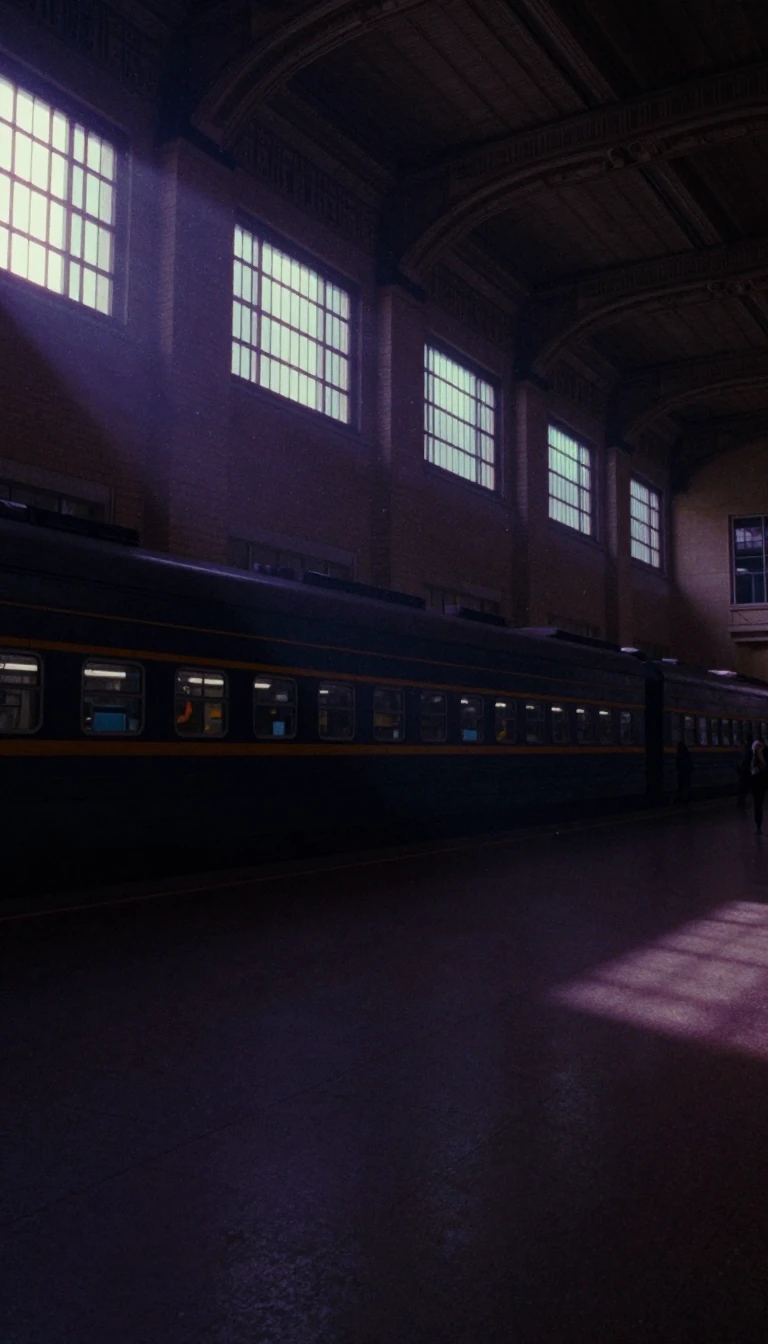 Why modern metro stations are increasingly sealed behind glass and steel barriersPlatform screen doors do more than prevent falls. By physically isolating tracks from passenger areas, these systems enable climate control, reduce noise, and allow for fully auto…
 Why Leonardo da Vinci’s anatomical sketches are still influencing modern heart surgery todayLeonardo da Vinci was a master of observation whose scientific curiosity extended far beyond his famous paintings. By dissecting dozens of human bodies, he mapped the body's inter…
 How a stadium built for baseball became the world's first true rock venueShea Stadium was designed to bring baseball back to New York, but it became a cultural icon for entirely different reasons. From hosting the Beatles to a papal visit, this multipu…
 Why do some ships carry a prefix while others sail without a name tag?Ship prefixes are more than just nautical tradition; they are formal identifiers of nationality, purpose, and commission status. While some navies mandate them for every vessel, o…
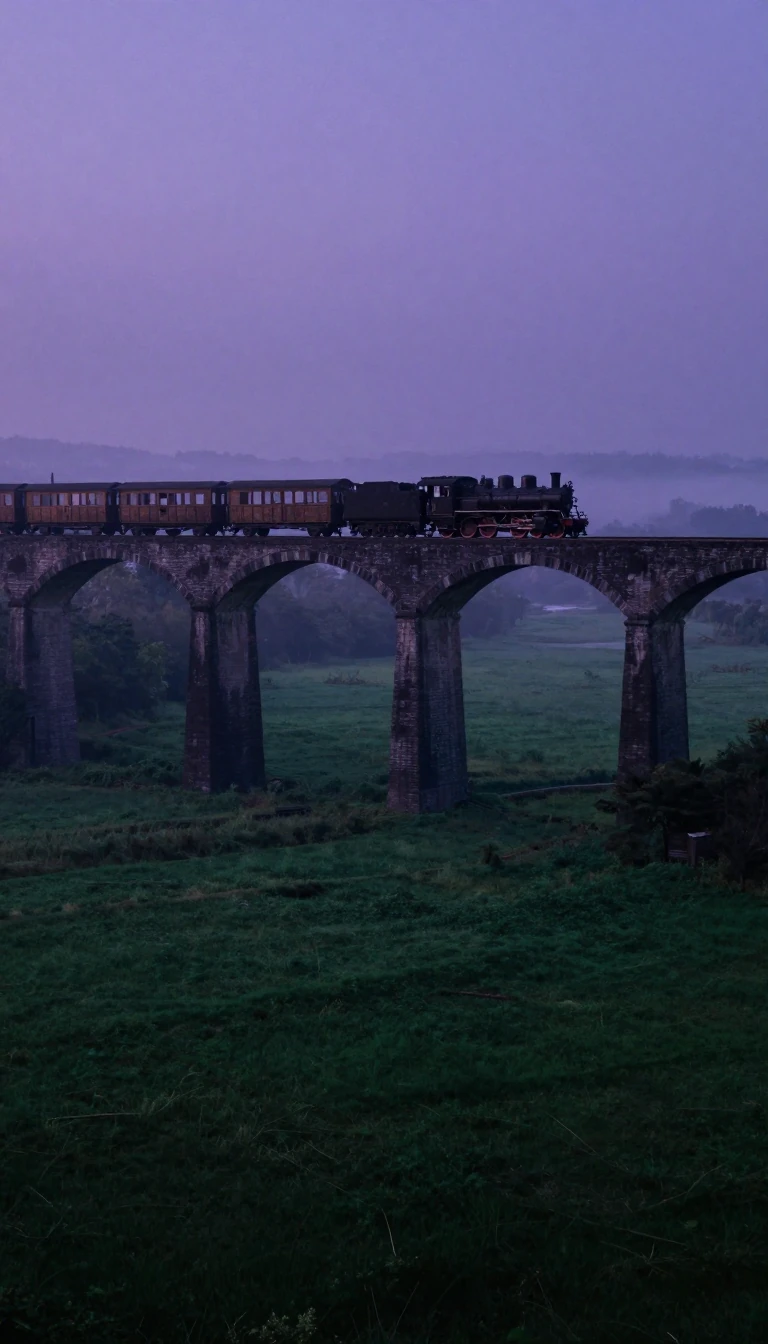 How a single steam locomotive design defined 150 years of railway travelBuilt to win a high-stakes speed trial in 1829, Stephenson's Rocket was not merely the fastest engine of its day. By integrating a multi-tubular boiler, a blastpipe, and a separat…
 How London’s massive transport network evolved from fragmented private lines into a unified giant.Transport for London manages one of the world's most complex urban transit systems. From the iconic Underground to the sprawling bus network and the recent Elizabeth line, it bala…
 How a massive 1941 steam locomotive returned to the rails after decades of dormancyThe Union Pacific 4014 Big Boy, a colossal steam engine built in 1941, was once destined for the scrap heap. After sitting silent for nearly sixty years, a dedicated team restored…
- The 600-ton steam giant that redefined heavy freight across the American WestBuilt to conquer the Wasatch Range, the Union Pacific Big Boy was the largest and most powerful steam locomotive ever created. These massive machines, weighing more than a Boeing …
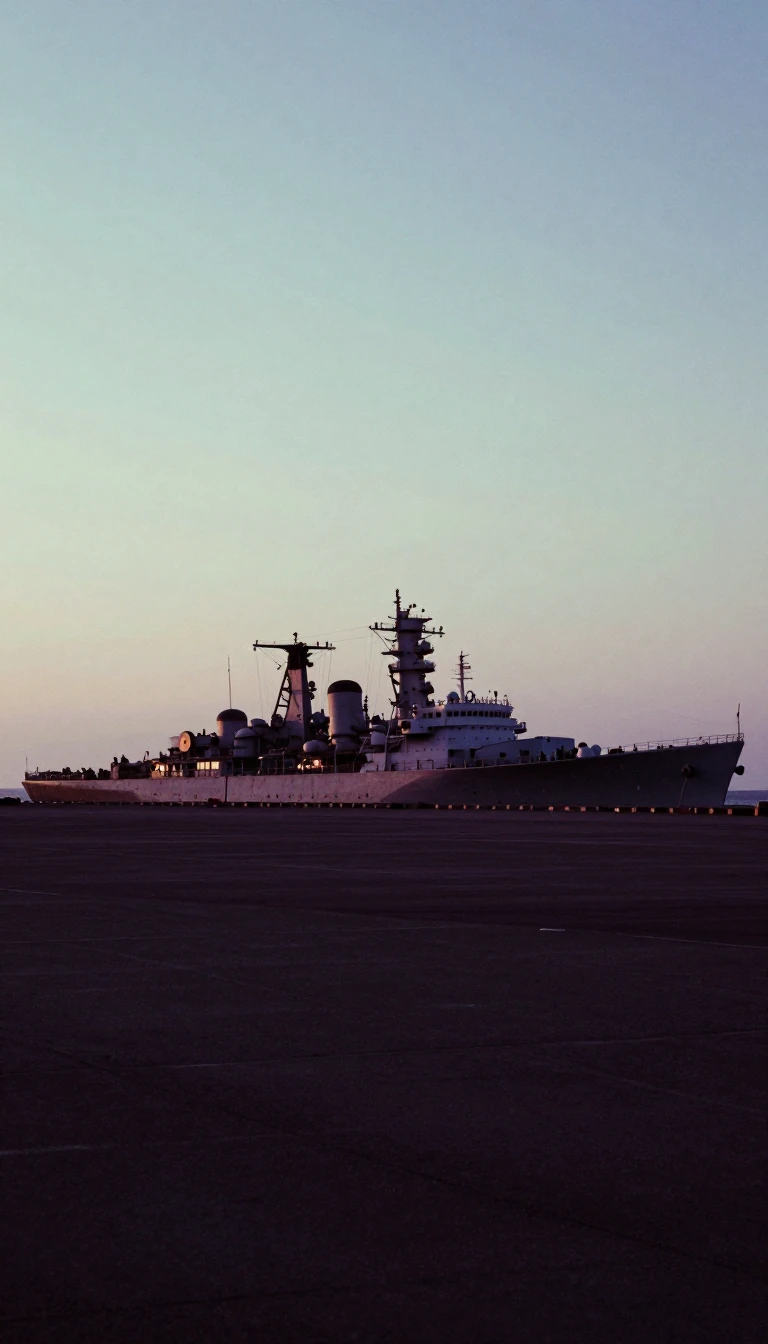 The final conventional supercarrier of the U.S. Navy was a class of one.Commissioned in 1968, the USS John F. Kennedy was the last conventionally-powered aircraft carrier built for the United States Navy. Originally intended as a fourth Kitty Hawk-cla…
- The textile magnate who traded boardroom battles for record-breaking high-altitude balloon flightsVijaypat Singhania led India's Raymond Group into a massive industrial conglomerate, but his true passion lay in the skies. From a record-setting microlight journey across contine…
 How a group of cyclists can reduce wind resistance by 95%In a professional bicycle race, the main pack—the peloton—is more than just a crowd. It is a complex, self-organizing system where riders use physics to cheat fatigue, creating a …
- Can hyperloop technology truly revolutionize global transportation networks as currently envisioned?This video examines ten proposed hyperloop projects worldwide, exploring the potential for high-speed vacuum-tube transport to reshape how we move people and goods. It provides a …
 A look inside the first passenger test of Virgin Hyperloop technologyFred Mills explores the inaugural passenger journey of Virgin Hyperloop. This video provides a rare look at the vehicle and the collaboration behind the project, featuring insight…
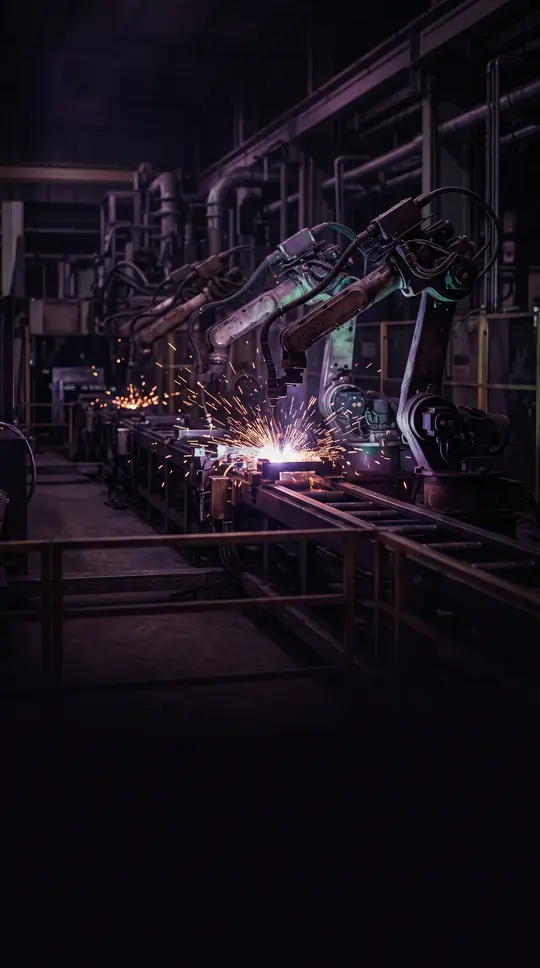 Why Tokyo's subway system is widely considered the best in the worldTokyo's rail network is a marvel of urban engineering. This video examines the infrastructure and operational strategies that allow the city to move millions of passengers with ex…
 Do you really need to keep your car engine running while waiting?Many drivers believe restarting a car consumes as much fuel as several minutes of idling. This video examines the actual fuel consumption of idling versus engine restarts, using d…
 The complex origins and operational history of the Taipei Mass Rapid Transit systemThe Taipei MRT is a modern urban marvel, but its development was a long and intricate process. This video explores the history behind the construction, creation, and daily operati…
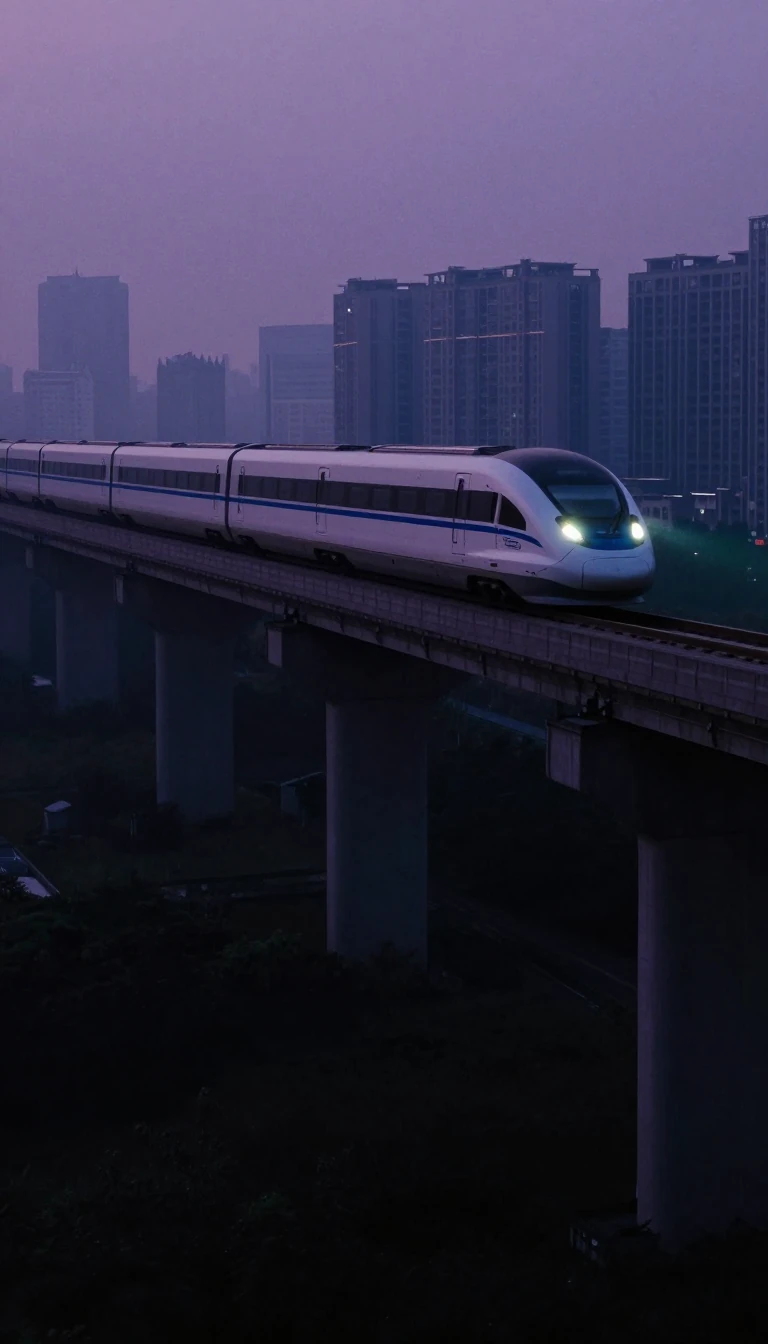 India's first bullet train will traverse a 508-kilometre path between Mumbai and AhmedabadConnecting India's financial hub with Gujarat's largest city, this massive infrastructure project utilizes Japanese Shinkansen technology to reach speeds of 320 km/h. By elevating…
 Rancho Cucamonga is evolving from a historic vineyard hub into a high-speed rail gateway.Once defined by its vast vineyards and agricultural roots, Rancho Cucamonga is transforming into a critical logistics and transit nexus. Now, this Inland Empire city is poised to …
- Why the dream of supersonic commercial flight stalled for over two decadesSupersonic airliners promised to shrink the globe, yet only two models ever saw regular service. Despite the technical triumph of Concorde, a combination of extreme noise, environ…
 Vigo: The Spanish City That Defies Its Own Linguistic Roots and Climate ExpectationsVigo is a paradox. It is the most populous municipality in Galicia, yet it stands as the region's least Galician-speaking city. While famous for its intense winter rainfall, its s…
 Why the jumbo jet was designed for cargo, not just for passenger comfort.Wide-body aircraft were originally engineered to balance efficiency with passenger comfort, but economic realities quickly shifted priorities toward maximizing seat density. These…
- Can a private passenger rail line survive when its business model hits the buffers?Brightline, the only commercial intercity train service in the United States, promised a new era of rail travel between Miami and Orlando. Despite rapid ridership growth and high-…
 The de Havilland Vampire was the unconventional jet that defined early British air power.As the first single-engine jet fighter in the Royal Air Force, the de Havilland Vampire defied convention with its twin-boom tail and plywood fuselage. It set records for speed an…
 For millennia, the ship was the most advanced machine human society could produce.Before the industrial revolution, building a ship was the ultimate test of a civilization's engineering prowess. From prehistoric rafts to the complex iron-hulled vessels of the 1…
- Can Los Angeles host the Olympics without the dominance of cars?Los Angeles is preparing for the 2028 Olympics with a vision that challenges the city's car-centric identity. This video explores the logistical hurdles and infrastructure plans r…
- Why the best highway design is the one you never noticeRoads are engineered to be invisible to the driver. When a highway is designed correctly, you do not think about the road itself. This video explores the intersection of physics, …
- The word van is simply a shortened caravan, and means different things everywhereVan began as a clipped form of caravan, first recorded for a covered goods wagon in 1829. Today an American might mean a minivan or a box trailer, a Briton means something that ca…
 Formula One cars carry wings too, only mounted upside downAn aircraft wing is shaped and angled to push air downward, so the air pushes the wing up. Flip that same device over and bolt it to a racing car, and it presses the tyres into th…