Why a 106-year-old fruitcake is a scientific treasure in Antarctica's frozen wilderness
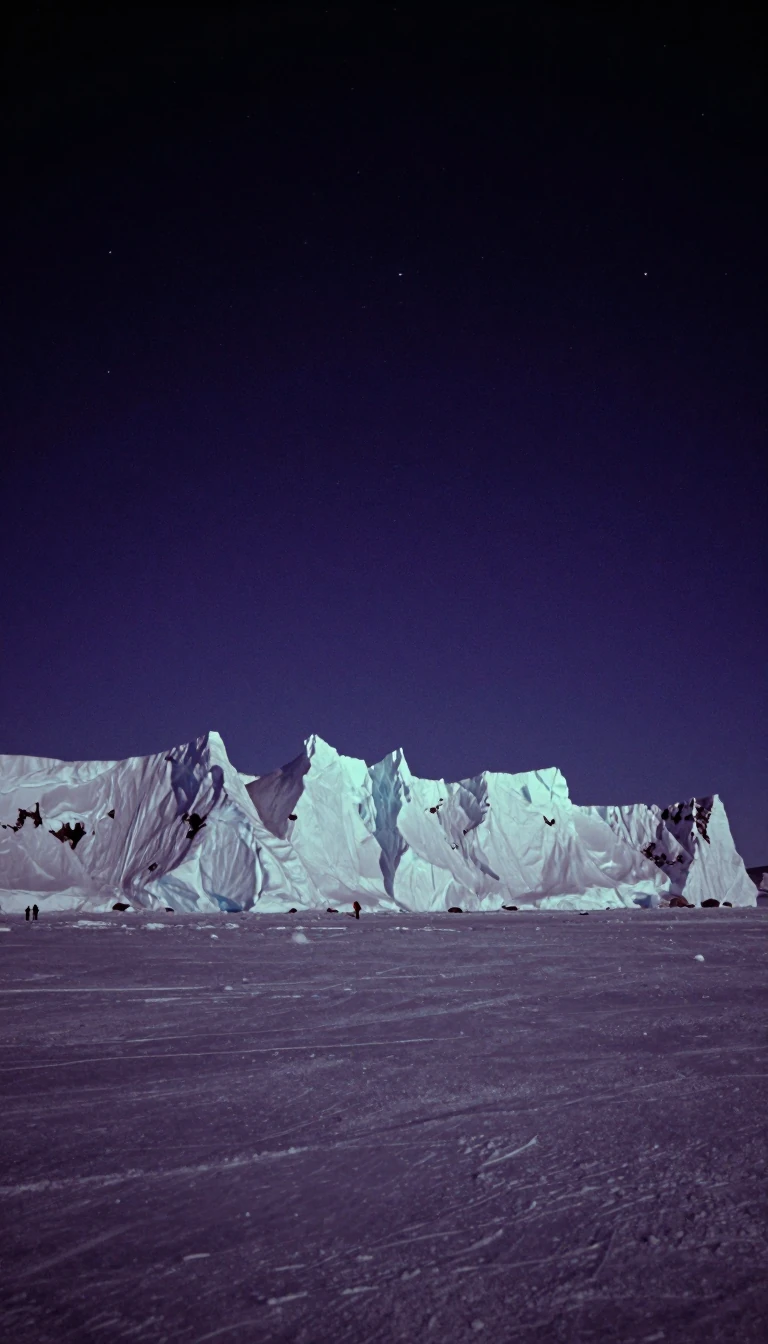
In short: Victoria Land is more than just a vast, icy expanse in eastern Antarctica. From ancient meteorites that reveal the origins of our Solar System to NASA-studied lichens and remarkably preserved artifacts from historic expeditions, this remote region serves as a unique, frozen laboratory for understanding life and geological history.
Discovered in 1841 by Captain James Clark Ross and named for Queen Victoria, this region stretches from the Ross Sea to the Antarctic Plateau. Its landscape is defined by the Transantarctic Mountains, active volcanoes like the 2,700-metre Mount Melbourne, and the McMurdo Dry Valleys. These valleys are central to major ecological and paleoclimate research, providing scientists with rare access to environments that mirror conditions elsewhere in the universe.
In 1979, researchers made a significant discovery near the Allan Hills, locating over 300 meteorites that had remained largely unchanged since the birth of the Solar System. These specimens offer a pristine window into the early history of our cosmic neighborhood. By 1981, the focus shifted toward the search for life, as NASA began studying local lichens to refine strategies for detecting extraterrestrial microorganisms. Glaciologists like Dr. George Denton have since examined sandstone formations on peaks such as Mount Lister, seeking similar biological markers.
The region also acts as a time capsule for human exploration. In 2017, conservationists at Cape Adare recovered a fruitcake belonging to Robert Falcon Scott’s 1911 Northern Party expedition. Despite being 106 years old, the item was found in excellent condition, highlighting how the extreme, arid cold of Victoria Land preserves both natural history and human artifacts. Today, the United States and New Zealand maintain research stations in the area, continuing a legacy of scientific inquiry that spans from the microscopic to the planetary scale.
Opens the Intellect+ feed with this card first. Swipe up for the next one.
Sources
- Summary by Intellect · source: Victoria Land
- Also: Victoria Land | Antarctic, Glaciers, Mountains | Britannica
To cite this card, link to https://intellectplus.co.uk/app/technology-victoria-land.
How we source, check and correct cards: Editorial standards.
General information, not professional advice. Spotted an error? Flag the card or see corrections and complaints.
Intellect Plus is a visual educational discovery platform for exploring fascinating facts and ideas. Brain Food, Not Brain Rot. What is Intellect Plus?
Related
More in Inventions · More in Technology · Latest · A–Z · All topics
