Marie Byrd Land is the largest unclaimed territory on our planet
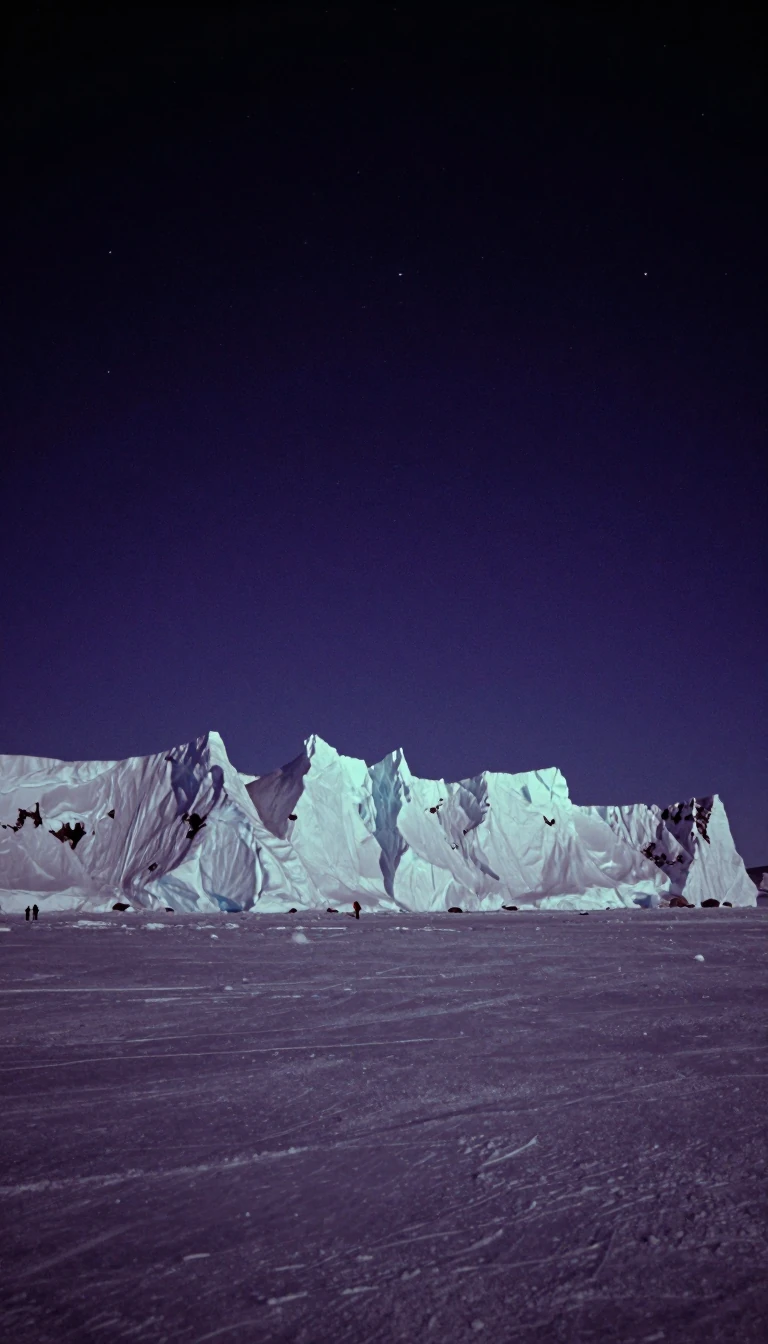
In short: Spanning over 1.6 million square kilometers, this vast West Antarctic region remains a geopolitical anomaly. While various nations have conducted extensive research and exploration here for decades, the territory has never been formally claimed by any sovereign state, making it a unique frontier in the frozen south.
Located east of the Ross Ice Shelf, Marie Byrd Land is defined by its extreme isolation and the massive West Antarctic Ice Sheet that blankets its interior. Named by American explorer Richard E. Byrd for his wife, the region has been the site of significant scientific activity since the early 20th century. While the United States has historically asserted that its exploration efforts provided a solid basis for a claim, no formal sovereignty was established before the 1959 Antarctic Treaty System effectively froze such territorial ambitions.
The landscape is shaped by the West Antarctic Rift System, a geological feature that has evolved over the last 100 million years. Beneath the ice, a mantle plume is believed to drive the uplift of the Marie Byrd Land Dome, contributing to the region's complex volcanic history. Coastal areas feature prominent mountain ranges like the Ford Ranges, while the interior is dominated by the vast ice sheet, which drains into the ocean through major glaciers such as the Thwaites.
Scientific interest in the region has intensified due to its role in global climate dynamics. In 1968, researchers at Byrd Station achieved a milestone by drilling the first ice core to reach the bedrock beneath the Antarctic sheet. More recently, the International Thwaites Glacier Collaboration has focused on understanding the stability of the local ice, as its potential retreat is a critical factor in predicting future global sea level rise. Despite this intense modern scrutiny, the region remains a largely wild, unclaimed expanse.
The territory is not entirely devoid of human history. Beyond the early expeditions of the 1920s and 1930s, the area hosted the year-round Byrd Station from 1957 until its abandonment in 1972, and the Russian station Russkaya operated on the Ruppert Coast for a decade starting in 1980. Today, it remains a focal point for international geological and geophysical research, serving as a vital laboratory for understanding the Earth's deep history and its changing climate.
Opens the Intellect+ feed with this card first. Swipe up for the next one.
Sources
- Summary by Intellect · source: Marie Byrd Land
- Also: Wikidata — Marie Byrd Land · CC0
To cite this card, link to https://intellectplus.co.uk/app/places-marie-byrd-land.
How we source, check and correct cards: Editorial standards.
General information, not professional advice. Spotted an error? Flag the card or see corrections and complaints.
Intellect Plus is a visual educational discovery platform for exploring fascinating facts and ideas. Brain Food, Not Brain Rot. What is Intellect Plus?
Related
More in Regions and country subdivisions · More in Countries & Cities · Latest · A–Z · All topics
