A failed malaria cure accidentally birthed the modern synthetic chemical industry in 1856.
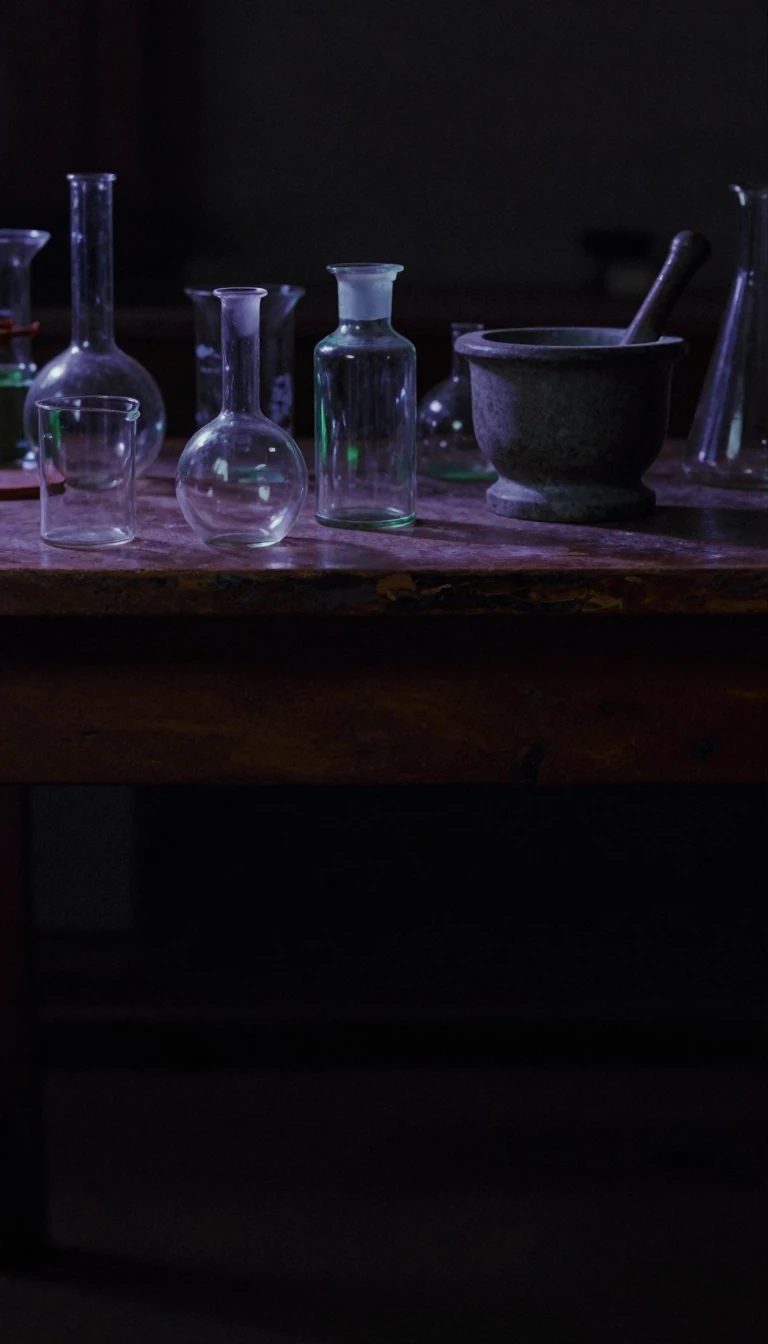
In short: While attempting to synthesize quinine in a makeshift garden laboratory, eighteen-year-old William Henry Perkin stumbled upon an intense purple substance. This accidental discovery of mauveine, the first commercial synthetic dye, revolutionized fashion and laid the foundation for the global synthetic organic chemicals industry, forever changing how we color our world.
In 1856, while studying under August Wilhelm von Hofmann at the Royal College of Chemistry, Perkin sought to create synthetic quinine to treat malaria. During his Easter break, working in a crude home laboratory on Cable Street, he oxidized aniline and extracted a purple residue with alcohol. Recognizing the potential of this vibrant, stable dye, he bypassed his academic duties to refine the process in a secret garden hut with his brother and a friend.
The timing was fortuitous. England’s Industrial Revolution provided the necessary textile infrastructure, while coal tar—a byproduct of coal gas production—offered an abundant raw material. Perkin secured a patent at age 18 and, with his father’s financial backing, built a factory to scale production. The dye’s success was cemented when Queen Victoria and Empress Eugénie adopted the color, sparking a fashion craze so pervasive that critics jokingly referred to the trend as the 'mauve measles.'
Perkin’s innovation extended beyond mauveine. He later developed synthetic perfumes like coumarin and methods for producing alizarin, a brilliant red dye. However, by the 1890s, the burgeoning German chemical industry began to dominate the market, eventually forcing Perkin to sell his holdings and retire. Despite this, his legacy remains deeply embedded in industrial chemistry; the Perkin Medal, established in 1906, continues to honor the highest achievements in the field, while his influence persists in the purple academic regalia of Imperial College London.
The impact of his work was both scientific and cultural. By moving chemistry from theoretical hypothesis to industrial application, Perkin proved that synthetic materials could outperform expensive, labor-intensive natural substances. His career serves as a quintessential example of how serendipity, when paired with technical persistence and entrepreneurial risk-taking, can fundamentally shift the trajectory of global manufacturing and consumer culture.
Opens the Intellect+ feed with this card first. Swipe up for the next one.
Sources
- Summary by Intellect · source: William Henry Perkin
To cite this card, link to https://intellectplus.co.uk/app/technology-william-henry-perkin.
How we source, check and correct cards: Editorial standards.
General information, not professional advice. Spotted an error? Flag the card or see corrections and complaints.
Intellect Plus is a visual educational discovery platform for exploring fascinating facts and ideas. Brain Food, Not Brain Rot. What is Intellect Plus?
Related
More in Inventors · More in Technology · Latest · A–Z · All topics
