How a British Chemical Giant Transformed From Munitions Maker to Global Paint Empire
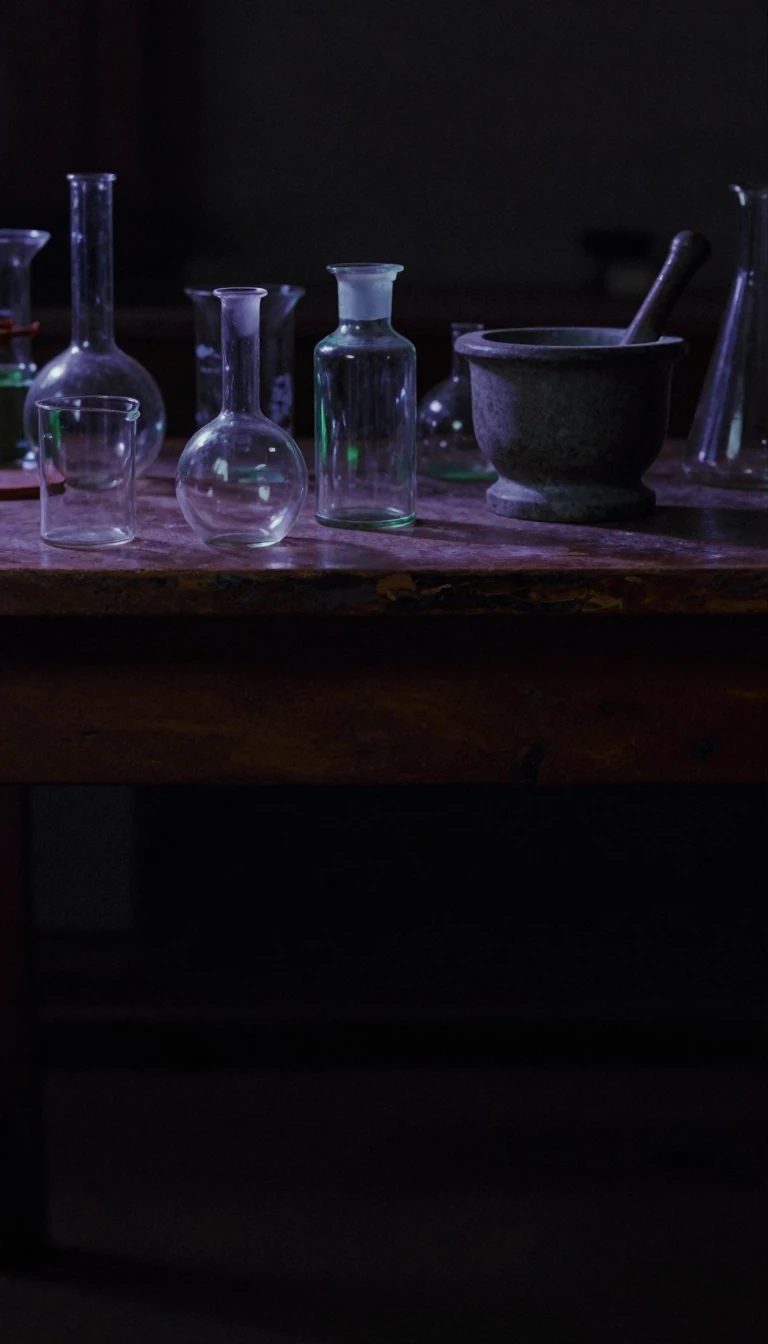
In short: Formed in 1926, Imperial Chemical Industries was once Britain's largest manufacturer. From developing essential plastics like Perspex to pioneering life-saving pharmaceuticals, the firm shaped the twentieth century. Yet, after decades of expansion and complex restructuring, this industrial titan eventually vanished into the hands of a Dutch competitor.
Imperial Chemical Industries (ICI) was established in December 1926 through the merger of four major British chemical firms: Brunner Mond, Nobel Explosives, the United Alkali Company, and the British Dyestuffs Corporation. Headquartered at Millbank, London, the company quickly became a cornerstone of the British economy. During its peak, it was a constituent of the FT 30 and FTSE 100 indices, operating as a massive conglomerate that produced everything from fertilisers and dyestuffs to munitions for the war effort.
The company's scientific legacy is profound, marked by the accidental discovery of polythene in 1933 and the development of iconic products like Perspex, Dulux paints, and Terylene fibre. By the 1940s and 1950s, ICI expanded into pharmaceuticals, creating essential medicines including the anti-malarial drug Paludrine and the beta-blocker Inderal. Its industrial reach was vast, spanning from the massive Billingham manufacturing site to the Runcorn chemical works, where it pioneered process intensification technologies.
By the 1990s, however, the firm faced mounting pressure from internal complexity and global competition. After a hostile takeover attempt by Hanson in 1991, ICI began a radical restructuring. It divested its commodity chemical arms, spun off its pharmaceutical business as Zeneca in 1993, and shifted focus toward speciality chemicals and paints. This transformation culminated in 2008, when the Dutch firm AkzoNobel acquired ICI for £8 billion, effectively ending the life of the British industrial giant as an independent entity.
The acquisition was not without controversy, particularly regarding the company's massive pension liabilities and the potential market dominance in the paint sector. Following the deal, portions of the business were sold to Henkel, while the remaining operations were integrated into AkzoNobel. Today, the legacy of ICI persists through the companies that emerged from its various divisions, including AstraZeneca, Syngenta, and the global footprint of the Dulux brand.
Opens the Intellect+ feed with this card first. Swipe up for the next one.
Sources
- Summary by Intellect · source: Imperial Chemical Industries
- Also: find-and-update.company-information.service.gov.uk — IMPERIAL CHEMICAL INDUSTRIES LIMITED overview - Find and update company information - GOV.UK
To cite this card, link to https://intellectplus.co.uk/app/technology-imperial-chemical-industries.
How we source, check and correct cards: Editorial standards.
General information, not professional advice. Spotted an error? Flag the card or see corrections and complaints.
Intellect Plus is a visual educational discovery platform for exploring fascinating facts and ideas. Brain Food, Not Brain Rot. What is Intellect Plus?
Related
More in Cars · More in Technology · Latest · A–Z · All topics
