How a cheaper metal alternative revolutionized the art of large-scale printing
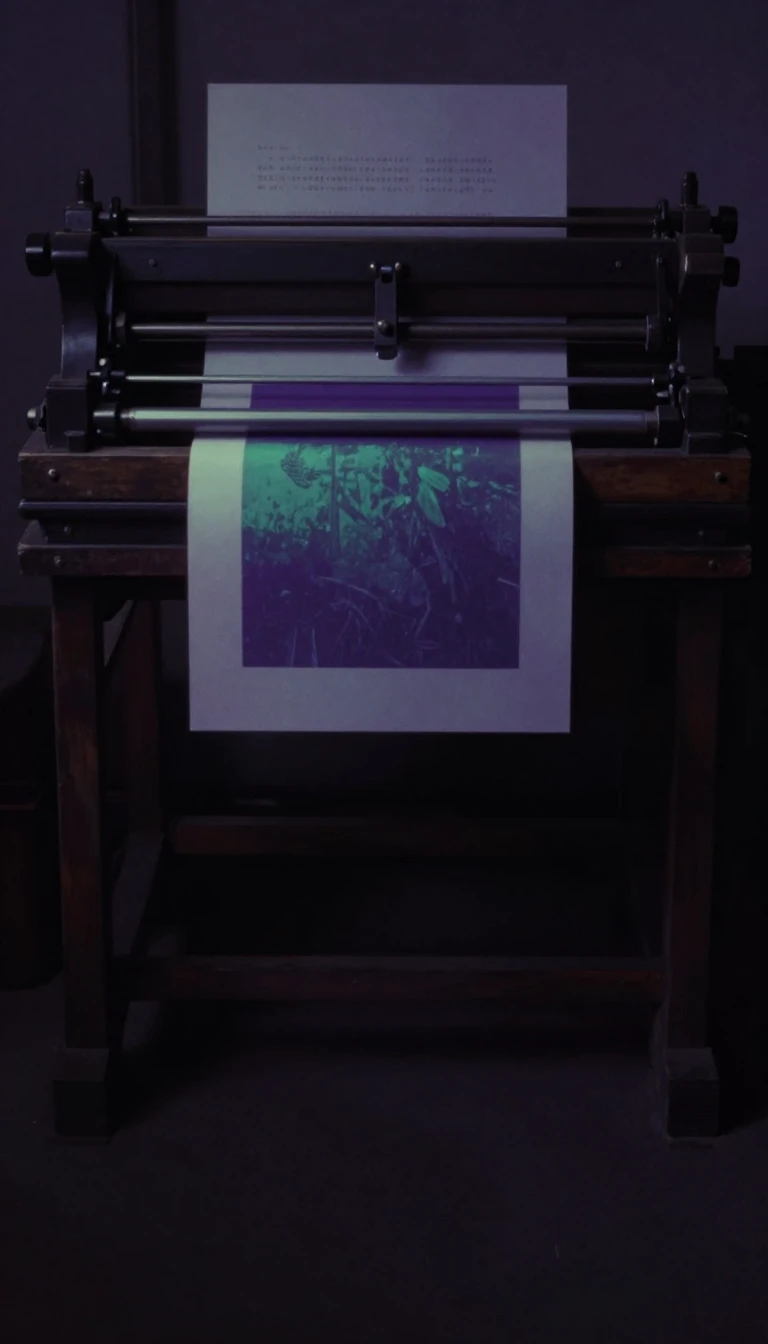
In short: Before modern digital printing, the world relied on zinc plates to replicate complex maps and vibrant images. This process, known as zincography, bypassed the expensive, heavy limestone used in traditional lithography, allowing for massive, colorful, and more affordable reproductions that changed the scale of visual information.
Zincography emerged as a planographic printing method that offered a practical solution to the limitations of lithography. While traditional lithography relied on expensive and heavy Bavarian limestone, zinc plates were significantly cheaper and could be produced at a much larger scale. The origins of this shift can be traced back to 1801, when Alois Senefelder first proposed using zinc as a substitute for limestone in his English patent specifications.
The chemistry of the process was a sophisticated dance of acids and varnishes. Printers first coated zinc plates with a solution of phosphoric and gallic acids to create hygroscopic salts on the surface. After applying an asphalt varnish and developing the image, the plate underwent a series of baths in acetic acid and benzene. A colored lacquer called fuchsine was then applied. Because the water would only localize on the salt-heavy areas, the ink was repelled by the salts and attracted to the fuchsine-coated lines, allowing for precise, repeatable printing.
This technology enabled significant scientific and cartographic achievements. In 1834, Federico Lacelli patented a process for producing 'géoramas,' which were large-scale maps. Later, between 1837 and 1842, Eugène-Florent Kaeppelin perfected the method to produce a massive, polychrome geologic map. The versatility of the medium even led to variants like photogravure, where light-sensitive albumen and chromium salt mixtures allowed for early photographic engraving, bridging the gap between manual drawing and photographic reproduction.
Opens the Intellect+ feed with this card first. Swipe up for the next one.
Sources
- Summary by Intellect · source: Zincography
To cite this card, link to https://intellectplus.co.uk/app/technology-zincography.
How we source, check and correct cards: Editorial standards.
General information, not professional advice. Spotted an error? Flag the card or see corrections and complaints.
Intellect Plus is a visual educational discovery platform for exploring fascinating facts and ideas. Brain Food, Not Brain Rot. What is Intellect Plus?
Related
More in Inventions · More in Technology · Latest · A–Z · All topics
