The devastating strategy of using water as a substitute for soldiers
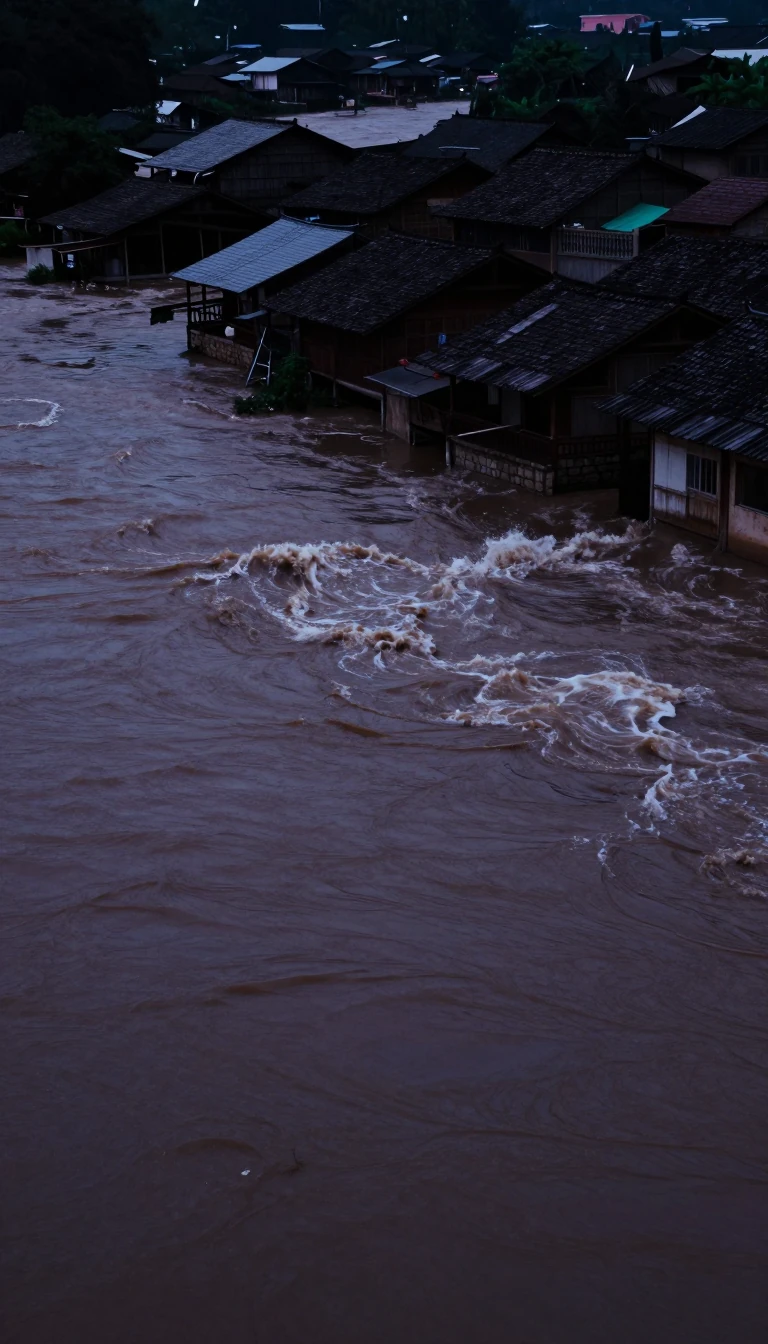
In short: In 1938, the Chinese National Army made a harrowing decision: destroy their own river levees to halt the Japanese advance. This man-made catastrophe achieved its military objectives but triggered a humanitarian disaster of staggering proportions, altering the course of the Yellow River for nearly a decade.
During the Second Sino-Japanese War, the National Revolutionary Army (NRA) implemented a 'scorched earth' defense. Following a 1935 strategic recommendation by Alexander von Falkenhausen, Commander-in-chief Chiang Kai-shek sanctioned the destruction of the Huayuankou dikes on the Yellow River in June 1938. The goal was to use the flood to obstruct Japanese movement across Northern and Central China, specifically protecting the Longhai railway—a vital supply route for Soviet aid—and preventing an invasion of the Sichuan basin, which housed the wartime capital, Chongqing.
The tactical success of the operation was undeniable. The flooding disrupted the Beijing–Wuhan and Tianjin–Pukou railways, and Japanese forces, such as the 14th division, were swamped in Zhongmu County. However, the strategic victory came at a catastrophic human cost. While immediate drowning deaths are estimated between 30,000 and 89,000, the total death toll from subsequent famine and plague is placed by researchers between 400,000 and 500,000. The flood also displaced approximately five million people, as the river was diverted into a new course that inundated vast stretches of farmland.
The environmental and political aftermath was equally profound. The river's new path through the Jialu and Shaying rivers destroyed thousands of square kilometers of crops and left much of the soil uncultivable due to heavy silt. Politically, the disaster became a tool for propaganda; the Nationalist government initially falsely claimed 12 million peasants were affected to stir anti-Japanese sentiment, while later, the devastation provided a recruiting ground for Communist guerrilla forces. The dikes were not fully repaired until March 1947.
Opens the Intellect+ feed with this card first. Swipe up for the next one.
Sources
- Summary by Intellect · source: 1938 Yellow River flood
To cite this card, link to https://intellectplus.co.uk/app/wars-1938-yellow-river-flood.
How we source, check and correct cards: Editorial standards.
General information, not professional advice. Spotted an error? Flag the card or see corrections and complaints.
Intellect Plus is a visual educational discovery platform for exploring fascinating facts and ideas. Brain Food, Not Brain Rot. What is Intellect Plus?
Related
More in World wars era · More in Wars & Conflicts · Latest · A–Z · All topics
