Why the 1887 Yellow River flood remains one of history's deadliest natural disasters
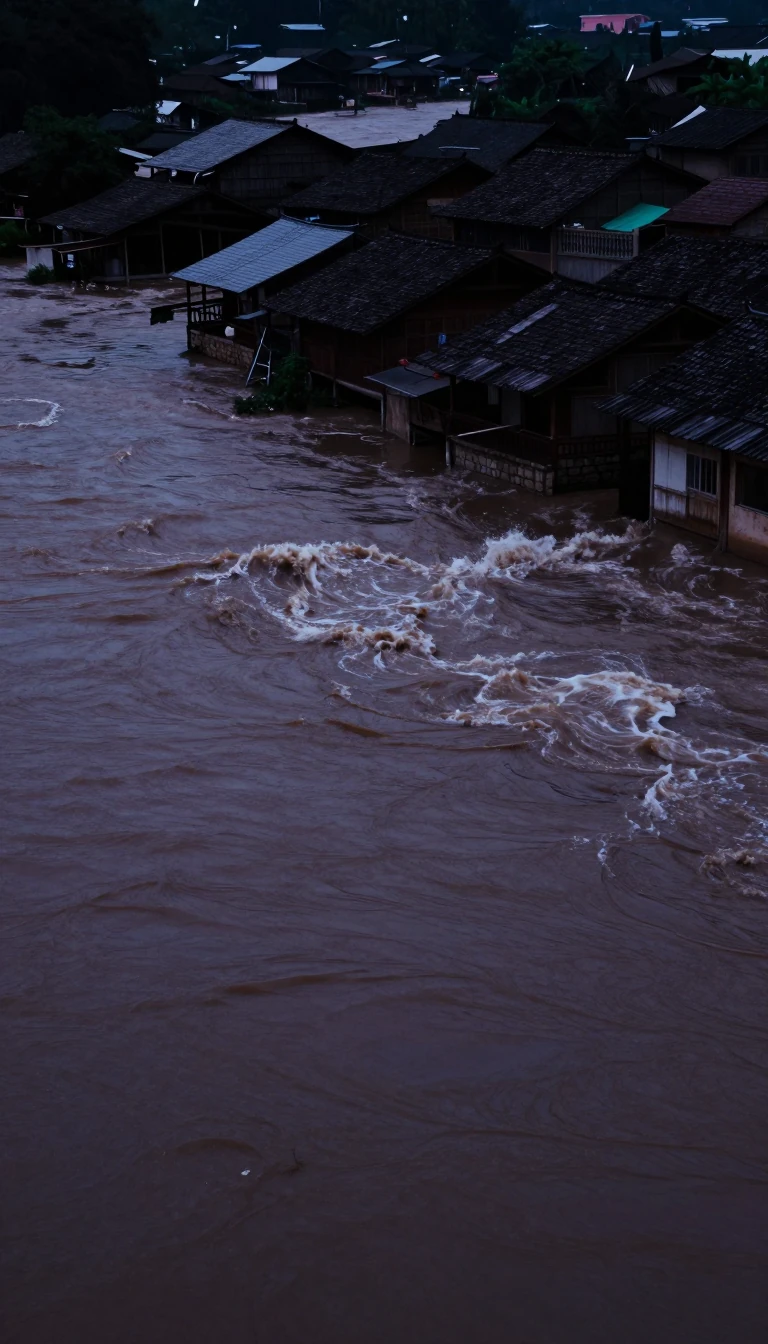
In short: In late September 1887, the Yellow River in China breached its dikes, triggering a catastrophic flood that claimed nearly a million lives. This disaster, which devastated vast agricultural regions and commercial hubs, serves as a grim reminder of the lethal consequences when human engineering fails to contain a rising, silt-heavy river.
The 1887 flood was the result of a long-standing environmental tension. For centuries, farmers had constructed dikes to manage the Yellow River, which flowed at an increasingly high elevation due to continuous silt deposition on its riverbed. By 1887, the river was already precarious. Following days of intense rainfall, the water finally overwhelmed these defenses on or around September 28, 1887, near Huayuankou, close to the city of Zhengzhou in Henan province.
The impact was immediate and widespread. Because the surrounding plains are low-lying, the floodwaters surged rapidly across Northern China, inundating an estimated 50,000 square miles or 130,000 square kilometers. The destruction was total, obliterating agricultural settlements and commercial centers alike. The immediate aftermath left approximately two million people homeless, stripping them of their livelihoods and basic necessities.
The human cost of the disaster is staggering. Estimates for the death toll range from a low of 900,000 to as high as 2,000,000 people. While many perished directly in the flood, a significant portion of the mortality was caused by the subsequent pandemic and the total collapse of essential services. This event stands as the deadliest flood in Chinese history and remains one of the most lethal natural disasters ever recorded. While the 1931 Yangtze-Huai River flood may have claimed up to four million lives, the 1887 event remains a defining moment in the history of catastrophic flooding.
Measuring the severity of such an event is complex, as there is no international standard for flood strength. Instead, historians and scientists classify the disaster based on the extent of the damage, the depth of the water, and the final casualty count. The 1887 flood serves as a testament to the vulnerability of human settlements built in the path of a river that had been artificially elevated by its own sediment over centuries.
Opens the Intellect+ feed with this card first. Swipe up for the next one.
Sources
- Summary by Intellect · source: 1887 Yellow River flood
To cite this card, link to https://intellectplus.co.uk/app/history-1887-yellow-river-flood.
How we source, check and correct cards: Editorial standards.
General information, not professional advice. Spotted an error? Flag the card or see corrections and complaints.
Intellect Plus is a visual educational discovery platform for exploring fascinating facts and ideas. Brain Food, Not Brain Rot. What is Intellect Plus?
Related
More in Modern (1800-1945) · More in History · Latest · A–Z · All topics
