The Soviet missile that forced tanks to learn how to flinch
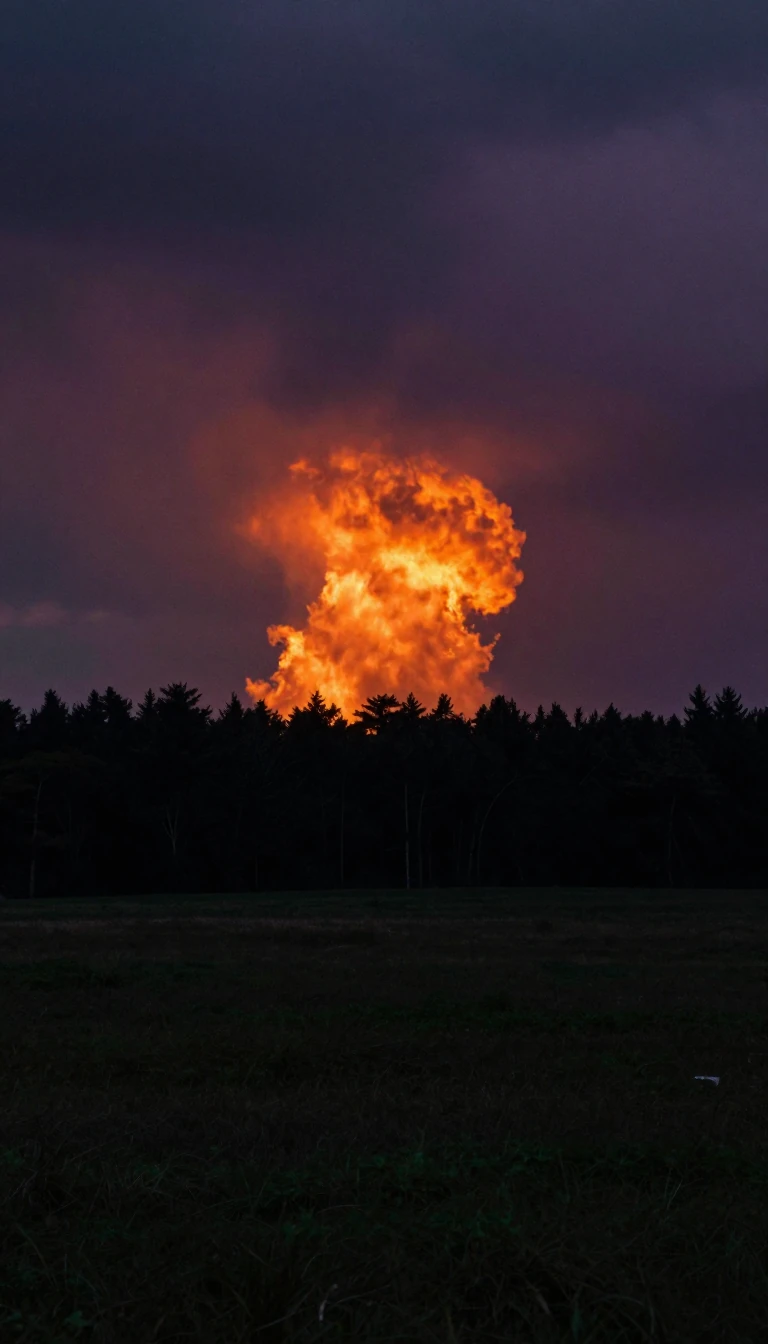
In short: In the 1960s, the Soviet Union unleashed the Malyutka, a missile so slow and erratic that it fundamentally changed how tanks were fought. It wasn't just a weapon; it was a psychological shift that forced armored crews to develop desperate, improvised tactics just to survive a guided strike.
Developed in 1961 and entering service in 1963, the 9M14 Malyutka (NATO: AT-3 Sagger) was the Soviet Union's first man-portable anti-tank guided missile (ATGM). It utilized a manual command-to-line-of-sight (MCLOS) system, where an operator steered the missile using a joystick. This guidance was transmitted via a thin three-strand wire trailing behind the projectile. Because the missile spun at 8.5 revolutions per second to maintain stability, it required intensive training to maneuver effectively, often resulting in hit rates as low as 2% to 25% in sub-optimal conditions.
The weapon's limitations became its most famous characteristics. It had a 'deadzone' of 500 to 800 meters, where targets were too close to be engaged, and a slow flight time of about 30 seconds to reach maximum range. During the Vietnam War, South Vietnamese tankers were so baffled by the missile's erratic flight that they developed a unique countermeasure: they would fire all their weapons at the operator's position. This forced the gunner to flinch, causing him to lose control of the joystick. Because the wire only allowed 15 meters of clearance, the operator could not easily take cover, making them vulnerable to this 'flinch' tactic.
Despite these flaws, the Malyutka became one of the most widely produced ATGMs in history, with Soviet production peaking at 25,000 units annually during the 1960s and 1970s. It saw massive success in the Yom Kippur War, where it knocked out over 800 Israeli tanks. To counter it, Israelis used heavy artillery to distract operators and moved tanks back and forth to create dust clouds. The system remains relevant today, with modernized variants featuring thermal imaging, tandem-charge warheads, and semi-automatic guidance used by various nations and non-state actors.
The legacy of the Malyutka is one of persistent adaptation. From the 9M14P (SACLOS) to the Serbian VTI Malyutka-2T, the platform has been continuously updated to defeat explosive reactive armor (ERA) and increase flight speeds. It remains a staple of asymmetric warfare because it is likely the most inexpensive ATGM still in service today.
Opens the Intellect+ feed with this card first. Swipe up for the next one.
Sources
- Summary by Intellect · source: 9M14 Malyutka
To cite this card, link to https://intellectplus.co.uk/app/wars-9m14-malyutka.
How we source, check and correct cards: Editorial standards.
General information, not professional advice. Spotted an error? Flag the card or see corrections and complaints.
Intellect Plus is a visual educational discovery platform for exploring fascinating facts and ideas. Brain Food, Not Brain Rot. What is Intellect Plus?
Related
More in War and military · More in Wars & Conflicts · Latest · A–Z · All topics
