How a medieval market town survived Robert the Bruce and the River Derwent
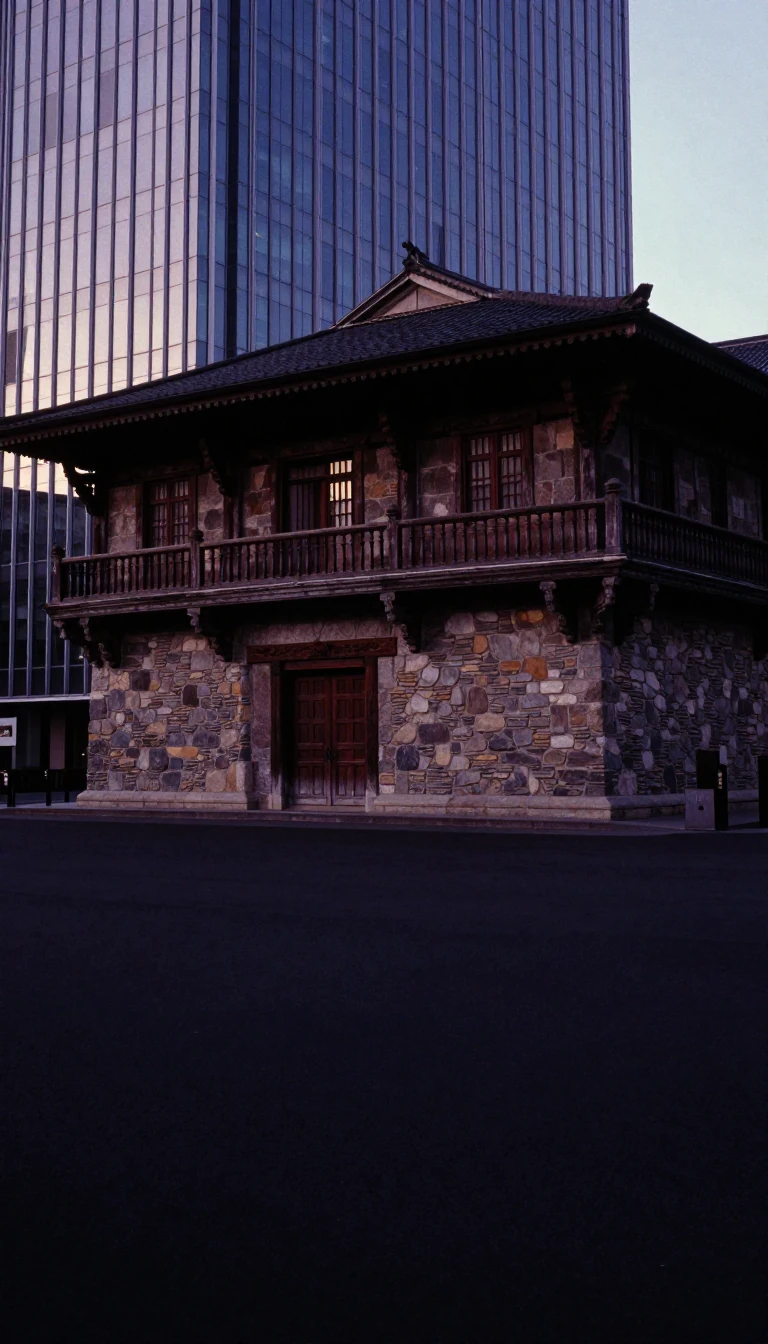
In short: Cockermouth is a historic gem defined by its confluence of rivers and a resilient medieval layout. While it once thrived as a hub for spinning and weaving, the town has navigated centuries of conflict, devastating floods, and shifting industrial tides to remain a vibrant, preserved piece of English history.
Established by the Normans, Cockermouth grew around a castle built to secure a strategic river crossing. This site had previously hosted a Roman fort, Derventio Carvetiorum, which protected troops moving toward Hadrian's Wall. The town's medieval character remains remarkably intact, featuring a broad main street lined with burgesses' houses that extend into deep, narrow plots reaching back to the Derwent and South Street. This distinctive layout was so well-preserved that the British Council for Archaeology designated it worthy of special care in 1965.
The town's history is marked by the destructive influence of Robert the Bruce, whose forces were responsible for the ruinous state of the Norman castle. Despite such medieval turbulence, Cockermouth flourished as a seigneurial borough under the control of the lord of the manor. By 1156, it already operated a fulling mill, eventually evolving into a bustling industrial center with over forty sites by the mid-19th century, including tanneries and hat factories. Its market, chartered by Henry III in 1221 and 1227, served as the economic heartbeat of the region for centuries.
Modern Cockermouth faces a different kind of adversary: the water. Situated where the River Cocker meets the River Derwent, the town is prone to severe flooding, most notably in 2005, 2009, and 2015. The 2009 event was particularly catastrophic, with water levels reaching 2.5 metres and requiring the rescue of over 200 people. Yet, the town has consistently rebuilt, restoring historic landmarks like Wordsworth House and regenerating its market square. Today, it balances this heritage with its role as a gateway to the Lake District, maintaining its identity through cultural institutions like the Kirkgate Centre while adapting to the needs of the 21st century.
Opens the Intellect+ feed with this card first. Swipe up for the next one.
Sources
- Summary by Intellect · source: Cockermouth
To cite this card, link to https://intellectplus.co.uk/app/wars-cockermouth.
How we source, check and correct cards: Editorial standards.
General information, not professional advice. Spotted an error? Flag the card or see corrections and complaints.
Intellect Plus is a visual educational discovery platform for exploring fascinating facts and ideas. Brain Food, Not Brain Rot. What is Intellect Plus?
Related
More in Medieval wars · More in Wars & Conflicts · Latest · A–Z · All topics
