Colditz Castle was designed to be escape-proof, yet it became a hub for daring breakouts.
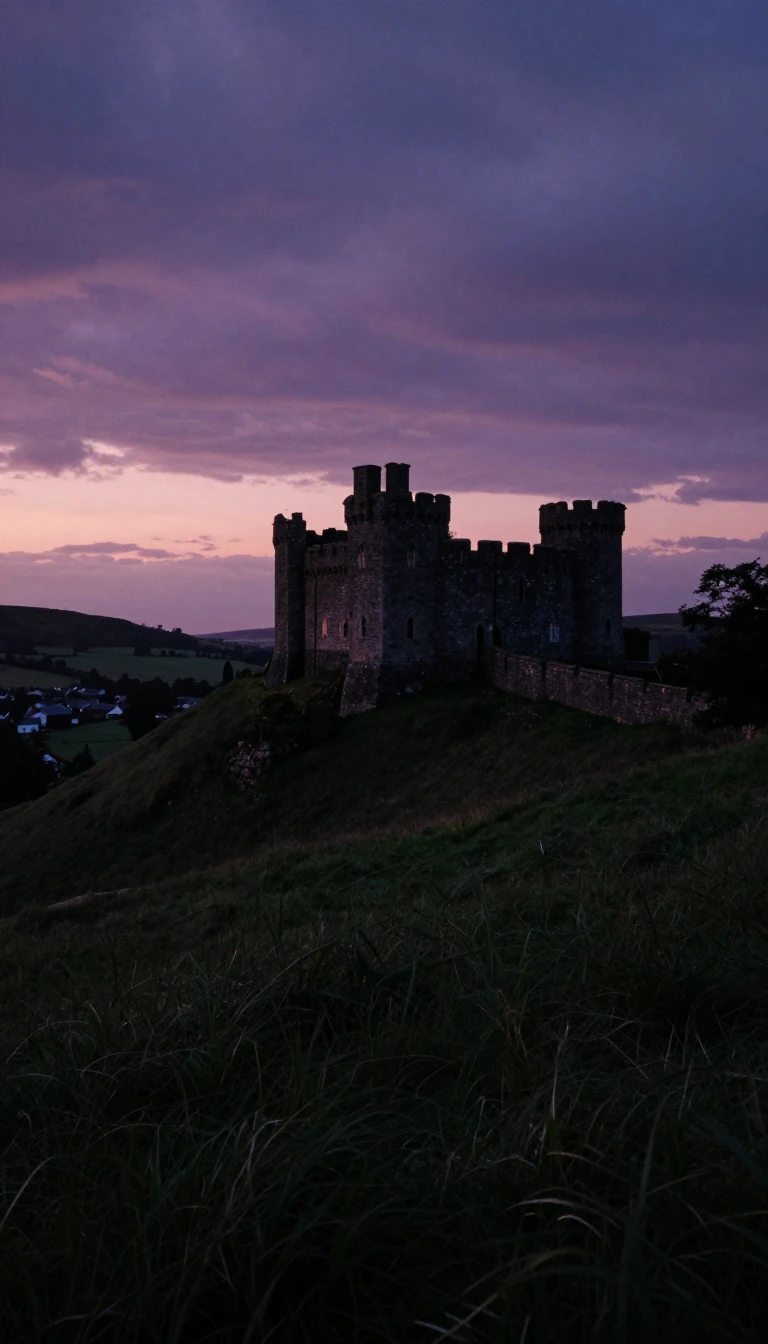
In short: Perched on a rocky outcrop, this German Renaissance fortress was chosen by the Wehrmacht to house the most incorrigible Allied officers. Believed to be an inescapable high-security prison, the castle instead became the site of legendary escape attempts, including a secret glider built by prisoners in the attic.
Colditz Castle, located in Saxony, Germany, has served many roles over its millennium-long history. Originally a lookout post for German Emperors, it evolved into a royal residence and later a hunting lodge for electors of Saxony. By the 19th century, the site transitioned into a workhouse and eventually a sanatorium for the wealthy, housing notable figures like Ludwig Schumann. Its most famous iteration, however, began in 1939 when the Wehrmacht converted it into Oflag IV-C, a high-security prisoner-of-war camp for Allied officers deemed escape risks.
The camp's reputation for being escape-proof was challenged by the prisoners themselves. Because the Germans transferred repeat escapees to Colditz, the facility became a concentration of highly motivated individuals. Among the most ambitious schemes was the 'Colditz Cock,' a full-sized glider constructed in the attic during the winter of 1944–45. Although the war ended before the glider could be used, modern replicas have proven the design was viable. The persistence of these prisoners fueled the 'Colditz Myth,' a popular belief that such escapes were common, though the reality was a constant, high-stakes game of cat and mouse.
Following the liberation of the castle by U.S. troops on 16 April 1945, the site saw further transformations under Soviet occupation and later within East Germany. It served as a prison for local criminals, a nursing home, and a psychiatric clinic. Today, the castle functions as a museum and youth hostel, with restoration efforts by the state of Saxony having returned its walls to their pre-war appearance. Visitors can now explore the site's complex history, including the hidden tunnels and radio rooms once used by prisoners to defy their captors.
Opens the Intellect+ feed with this card first. Swipe up for the next one.
Sources
- Summary by Intellect · source: Colditz Castle
To cite this card, link to https://intellectplus.co.uk/app/wars-colditz-castle.
How we source, check and correct cards: Editorial standards.
General information, not professional advice. Spotted an error? Flag the card or see corrections and complaints.
Intellect Plus is a visual educational discovery platform for exploring fascinating facts and ideas. Brain Food, Not Brain Rot. What is Intellect Plus?
Related
More in UK & Ireland: wars · More in Wars & Conflicts · Latest · A–Z · All topics
