The shotgun's lethality is a matter of probability, not just power
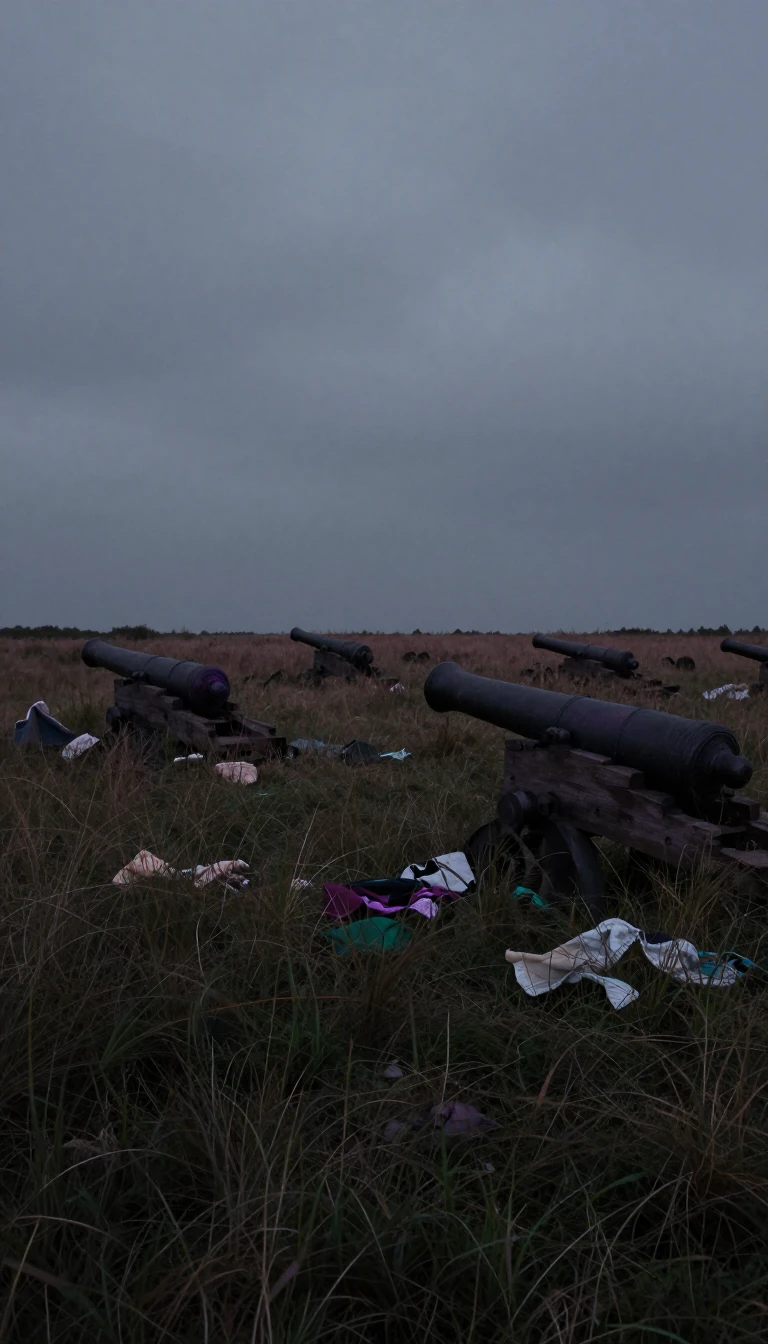
In short: In close-quarters warfare, hitting a target is often more important than the force of the impact. While rifles offer precision at distance, the combat shotgun excels by saturating an area with multiple projectiles. This shift from 'one shot, one kill' to 'high probability of hit' defined its role in trench and jungle warfare.
The lineage of the combat shotgun is distinct from sporting firearms. While hunting shotguns evolved from fowling pieces (refinements of smoothbore muskets), the combat shotgun shares a closer ancestry with the 16th-century Dutch blunderbuss. This distinction became clear during the American Revolution and the Battle of New Orleans in 1814, where 'buck and ball' loads—combining large bullets with smaller lead shot—were used to increase hit probability against British forces. While these wounds were often less severe than direct ball strikes at long range, they were highly effective at taking wounded soldiers out of the fight quickly.
The modern concept of the 'trench gun' was fully realized during World War I by American Expeditionary Forces. These short-barreled pump-action weapons, like the M1897 and M1912, allowed soldiers to rapidly fire 00 buckshot in both directions along a trench axis. The weapon was so effective at causing injury that it sparked a diplomatic protest from Germany, who threatened execution for any troops found with one—a claim the US government rejected.
In modern doctrine, the shotgun's utility is defined by its versatility in high-intensity environments like urban warfare or jungle patrols. Despite its limited range (roughly 20–30 meters for standard buckshot), it remains a preferred tool for door breaching and house-to-house clearing in Iraq and Afghanistan. However, its primary drawback is weight: just eight 12-gauge shells weigh as much as thirty 5.56mm rifle cartridges, forcing operators to adopt 'shoot one, load one' tactics to maintain readiness.
Data gathered by the British during 1960s Operation Claret confirms this strategic truth, indicating that shotguns offered a higher chance of striking human-sized targets than any alternative weaponry. This makes it less a primary offensive tool and more a specialized instrument for maximizing lethality when space is at a premium.
Opens the Intellect+ feed with this card first. Swipe up for the next one.
Sources
- Summary by Intellect · source: Combat shotgun
To cite this card, link to https://intellectplus.co.uk/app/wars-combat-shotgun.
How we source, check and correct cards: Editorial standards.
General information, not professional advice. Spotted an error? Flag the card or see corrections and complaints.
Intellect Plus is a visual educational discovery platform for exploring fascinating facts and ideas. Brain Food, Not Brain Rot. What is Intellect Plus?
Related
More in Military aviation · More in Wars & Conflicts · Latest · A–Z · All topics
