How a common soldier from Britain briefly seized the Western Roman Empire's throne
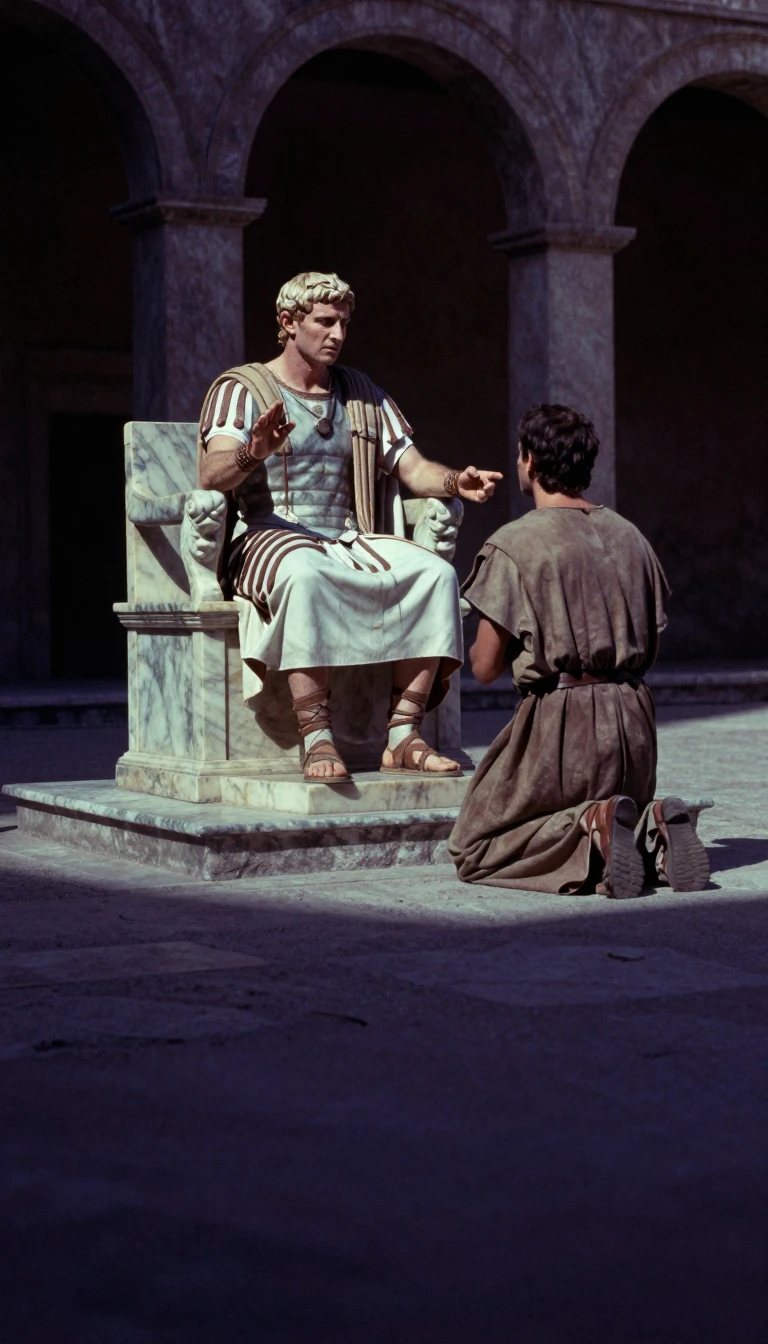
In short: In 407, a lowly Roman soldier named Constantine was acclaimed emperor by his desperate, unpaid peers in Britain. He stripped the province of its military defenses to launch a bold, successful campaign across Gaul and Hispania, briefly becoming a recognized co-emperor before his violent downfall in 411.
Constantine III rose from the ranks of the Roman field army in Britain, a province often overlooked by the central administration. By 407, the troops were unpaid and terrified by Germanic incursions across the Rhine. After two short-lived, failed usurpers were murdered by their own men, the soldiers chose Constantine, hoping his name would evoke the legacy of Constantine the Great. He moved with surprising speed, crossing the Channel with the entire mobile force of Britain, effectively ending Roman military presence in the province.
Establishing his capital at Arles, Constantine stabilized Gaul and Hispania through a mix of diplomacy and combat. By 409, his control was so significant that the Western Emperor Honorius formally recognized him as co-emperor. However, Constantine’s regime was plagued by internal betrayal. His general Gerontius rebelled in 409, setting up his own puppet emperor, Maximus, and inciting barbarian groups to ravage the region. Simultaneously, Constantine’s son and co-emperor, Constans II, struggled to maintain order in Hispania before being killed in 411.
The end came swiftly when Honorius’s general, Constantius, arrived at Arles to suppress the rebellion. As Gerontius’s forces deserted him, Constantine found himself besieged. He abdicated and took holy orders, hoping for mercy, but Constantius had him executed in 411. His head was displayed on a pole, a grim conclusion to a career that had seen him rule as a legitimate, if contested, emperor. His legacy persisted in legend, with some later accounts identifying him as the grandfather of King Arthur.
The collapse of Constantine’s administration left Britain to fend for itself against Saxon raids, and the Roman Army of Gaul was left in tatters. While Constantius eventually restored central authority, the era marked a definitive shift in the Western Empire’s stability. Constantine remains a rare example of a peripheral usurper who successfully exported his rebellion to the heart of the Empire, even if he could not hold it.
Opens the Intellect+ feed with this card first. Swipe up for the next one.
Sources
- Summary by Intellect · source: Constantine III (Western Roman emperor)
To cite this card, link to https://intellectplus.co.uk/app/wars-constantine-iii-western-roman-emperor.
How we source, check and correct cards: Editorial standards.
General information, not professional advice. Spotted an error? Flag the card or see corrections and complaints.
Intellect Plus is a visual educational discovery platform for exploring fascinating facts and ideas. Brain Food, Not Brain Rot. What is Intellect Plus?
Related
More in Ancient & biblical wars · More in Wars & Conflicts · Latest · A–Z · All topics
