How Roman soldiers turned the imperial throne into a revolving door for decades
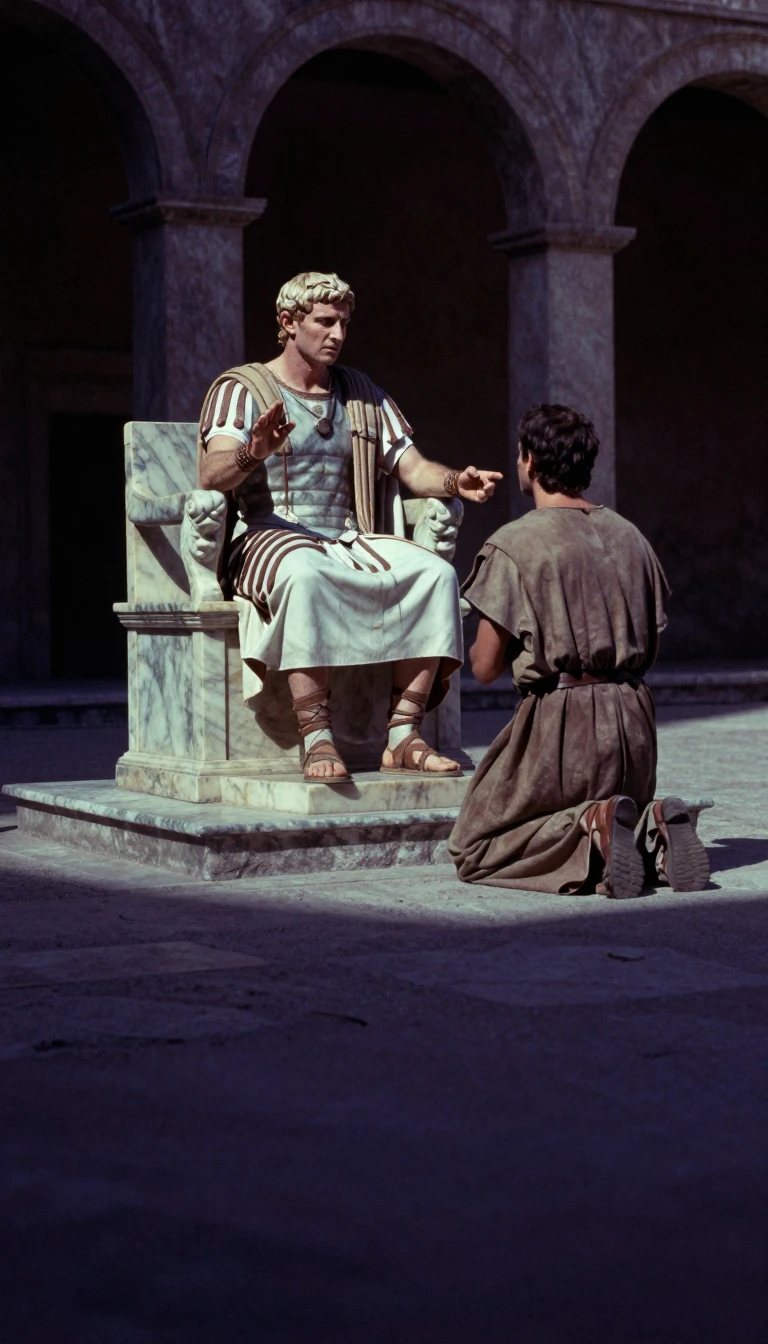
In short: During the Crisis of the Third Century, the Roman Empire suffered under a chaotic succession of military strongmen known as barracks emperors. Rising from the ranks through brute force rather than noble lineage, these commanders held power only as long as their soldiers remained loyal, creating a cycle of instability.
Between 235 and 284 AD, the Roman Empire experienced a period of extreme volatility characterized by the rise of the barracks emperors. This era began with the assassination of Severus Alexander and saw approximately fourteen different rulers seize the throne in just 33 years. Unlike traditional emperors, these men were typically commoners from the empire's fringes who lacked distinguished family names or experience as statesmen. Their authority rested entirely on the support of their legions, making their positions precarious and their reigns remarkably short, averaging little more than two years each.
The mechanism of power for these emperors was inherently unstable. Because they gained the throne through military insurrection, they were constantly forced to prioritize the demands of their troops to prevent betrayal. This required massive expenditures, often funded by the seizure of private property, which crippled the economy and fueled rampant inflation. Furthermore, because these leaders were frequently border commanders, their decision to march on Rome left the empire's frontiers dangerously exposed. This vulnerability allowed for significant Germanic incursions during the 260s, eventually necessitating the construction of the Aurelian Walls to protect the capital.
The era of the barracks emperors finally concluded in 284 AD when Diocletian, a cavalry commander, seized power and implemented systemic reforms that stabilized the imperial office and inaugurated the Dominate era. While later rulers like Constantine I and Theodosius I still relied on military strength to secure the purple, the specific phenomenon of the barracks emperor faded. By the late imperial period, power shifted toward shadow emperors—military generalissimos such as Stilicho, Ricimer, and Flavius Aëtius—who preferred to rule from behind the scenes by controlling weak-willed puppet emperors rather than assuming the title themselves.
Opens the Intellect+ feed with this card first. Swipe up for the next one.
Sources
- Summary by Intellect · source: Barracks emperor
To cite this card, link to https://intellectplus.co.uk/app/history-barracks-emperor.
How we source, check and correct cards: Editorial standards.
General information, not professional advice. Spotted an error? Flag the card or see corrections and complaints.
Intellect Plus is a visual educational discovery platform for exploring fascinating facts and ideas. Brain Food, Not Brain Rot. What is Intellect Plus?
Related
More in Ages & eras · More in History · Latest · A–Z · All topics
