The secret high command of America's clandestine wars
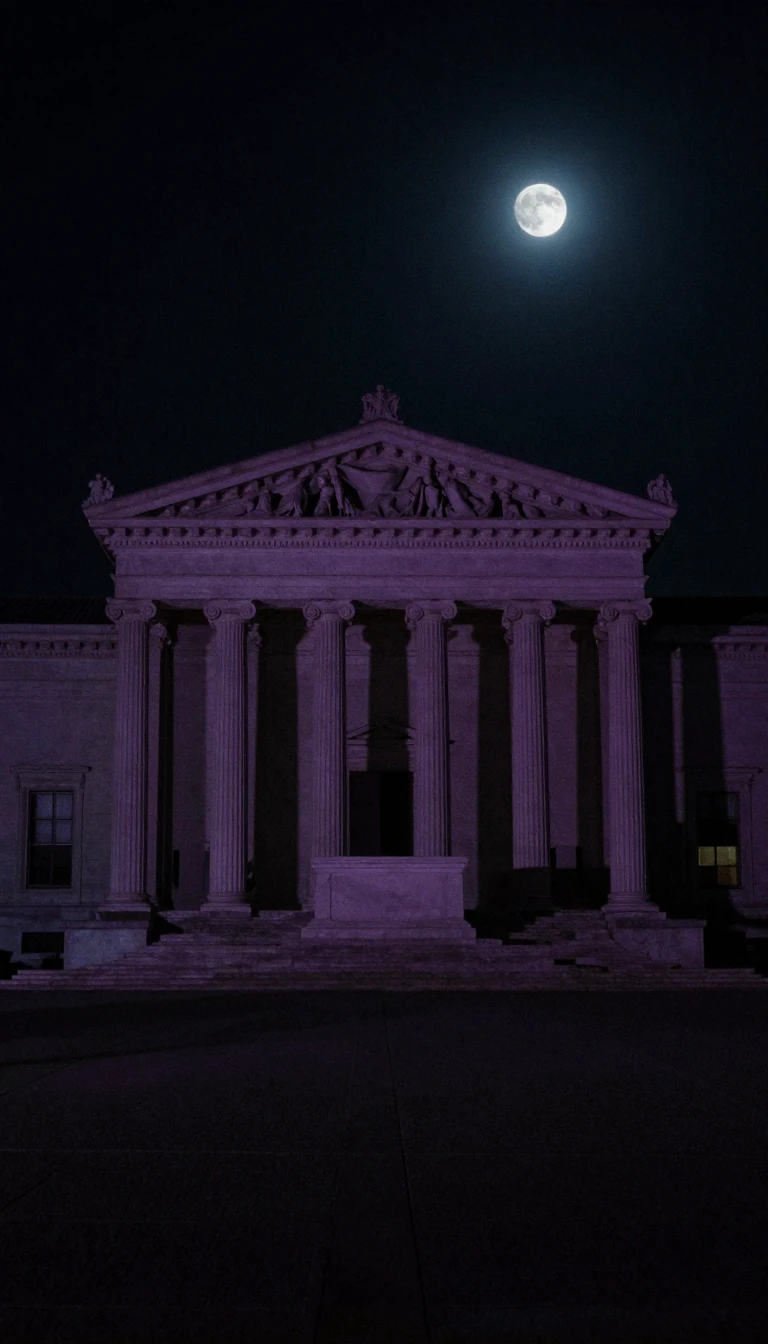
In short: The CIA is often viewed as a rogue actor, but it doesn't operate in a vacuum. Behind the scenes of the Cold War sat a senior interagency group—the true high command of the secret war—tasked with approving, monitoring, and reviewing every clandestine move to maintain the fiction of plausible deniability.
During the Cold War, the United States utilized 'plausible deniability' as a standard operating procedure. This doctrine allowed the government to carry out activities while keeping the hand of the CIA or the U.S. hidden, or making it possible to deny involvement entirely. To maintain this fiction, the government required a rigorous approval process by organs beyond the CIA itself. This responsibility fell primarily to a subcommittee of the National Security Council (NSC), which served as the ultimate authority for covert operations unless a president chose to intervene personally.
This high command was often known by vague titles like the 'Special Group' or the '5412 Group' (named after an Eisenhower directive). During the early Kennedy administration, these critical decisions were sometimes made over Tuesday luncheons. The group consisted of deputy secretaries who had the power to approve, reject, and review all covert activities. While the CIA's legal authority was often debated—with some lawyers noting that no specific statute actually authorized covert operations in the early 1960s—the government relied on the president's Article 2 powers and congressional appropriations to justify these actions.
The oversight of these 'secret warriors' was complex and sometimes distracted. For instance, in August 1964, the President's Foreign Intelligence Advisory Board (PFIAB) was preoccupied with the discovery of Russian microphones in the Great Seal of the United States, even as the Gulf of Tonkin incident unfolded. These mechanisms were designed to balance the benefits of covert action—such as precise targeting and the prevention of full-blown wars—against the risks of logistical constraints, political blowback, and the erosion of the very deniability the system was built to protect.
Opens the Intellect+ feed with this card first. Swipe up for the next one.
Sources
- Summary by Intellect · source: Understanding the CIA: How Covert (and Overt) Operations Were Proposed and Approved during the Cold War | National Security Archive
- Also: Covert operation
To cite this card, link to https://intellectplus.co.uk/app/wars-covert-operation.
How we source, check and correct cards: Editorial standards.
General information, not professional advice. Spotted an error? Flag the card or see corrections and complaints.
Intellect Plus is a visual educational discovery platform for exploring fascinating facts and ideas. Brain Food, Not Brain Rot. What is Intellect Plus?
Related
More in War and military · More in Wars & Conflicts · Latest · A–Z · All topics
