The anthem of a defense that never actually happened
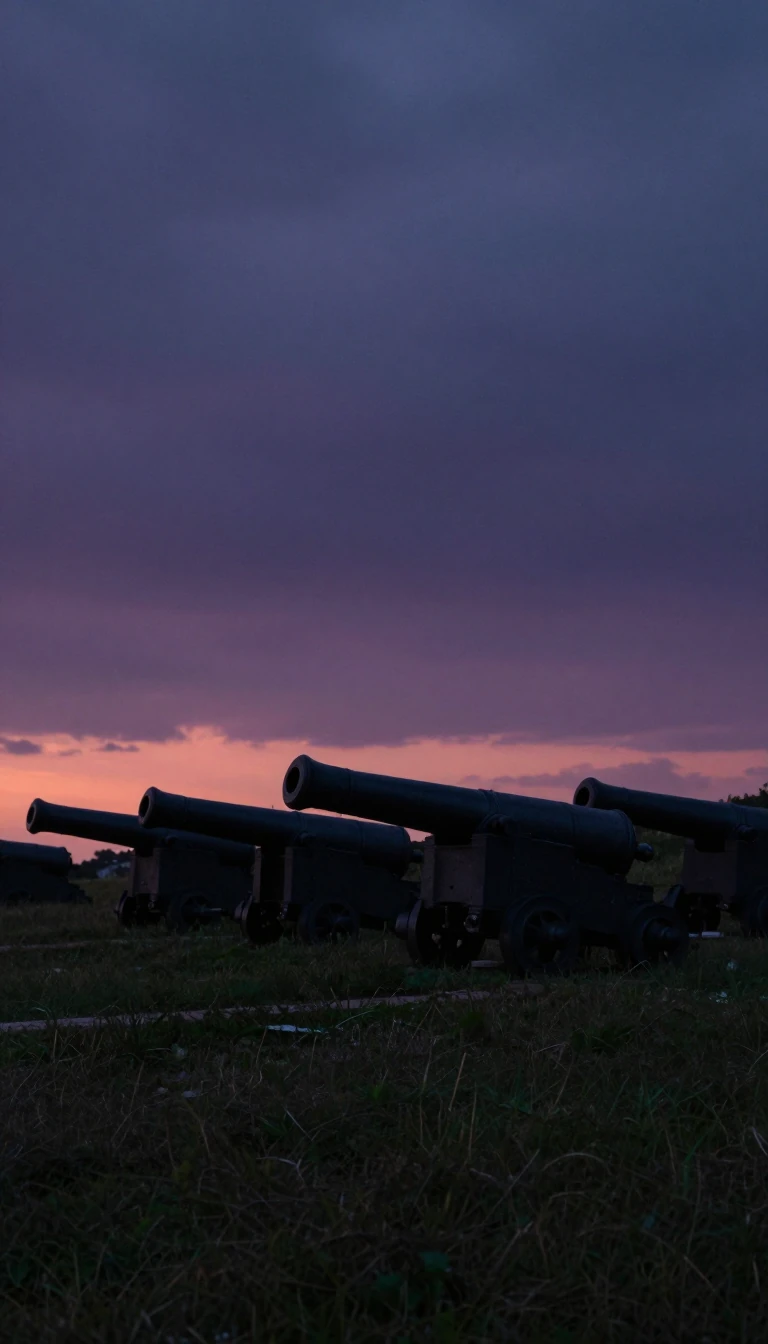
In short: For over a century, Germany rallied to the thunderous call of "Die Wacht am Rhein." It was a song of desperate mobilization, envisioning youths rushing to the riverbanks to stop a French invasion. Yet, in every major war it inspired, the fighting actually took place far to the west.
Centuries of hostility between France and Germany, notably the persistent French attempts to seize the Rhine's Left Bank, gave rise to this tune. A German musical movement began when Adolphe Thiers, the French Prime Minister in 1840, declared the river a "natural eastern border" during the Rhine Crisis. Max Schneckenburger wrote the poem "Rheinwache" in response, which was later renamed "Die Wacht am Rhein." Unlike older anthems that praised monarchs, this song called for Germans to set aside sectionalism and unite to defend their territorial integrity. Karl Wilhelm wrote the current version of the melody in 1854, which was seven years following the passing of Schneckenburger. It gained massive popularity after being performed in Dresden and became an unofficial second national anthem following the Franco-Prussian War of 1870–1871.
Otto von Bismarck was so moved by its role in German unification that he granted the composer and the author's family an annual pension. The song's lyrics even appear on the 1883 Niederwald monument. Despite its evocative imagery of mass mobilization at the river's edge, the scenario never materialized in reality. Because German offensive tactics during World War I, World War II, and the Franco-Prussian War dictated the main combat took place on French land, away from the Rhine. Even the 1944 German offensive known as the Battle of the Bulge—which used the song as its codename—took place away from the river. It was only in 1945, as Germany faced total collapse, that Allied forces successfully crossed the Rhine.
The song's cultural reach extended far beyond German borders. Its tune was adapted for the Yale University alma mater, "Bright College Years," in 1881, and served as the basis for a patriotic Italian poem about the Alps. While the 1963 Élysée Treaty ended the historical threat of invasion between France and Germany, the song remains a potent symbol of 19th-century romanticism and the construction of national identity.
Opens the Intellect+ feed with this card first. Swipe up for the next one.
Sources
- Summary by Intellect · source: Die Wacht am Rhein
To cite this card, link to https://intellectplus.co.uk/app/wars-die-wacht-am-rhein.
How we source, check and correct cards: Editorial standards.
General information, not professional advice. Spotted an error? Flag the card or see corrections and complaints.
Intellect Plus is a visual educational discovery platform for exploring fascinating facts and ideas. Brain Food, Not Brain Rot. What is Intellect Plus?
Related
More in 19th-century wars · More in Wars & Conflicts · Latest · A–Z · All topics
