The Lürssen Effect: How an air pocket revolutionized naval speed
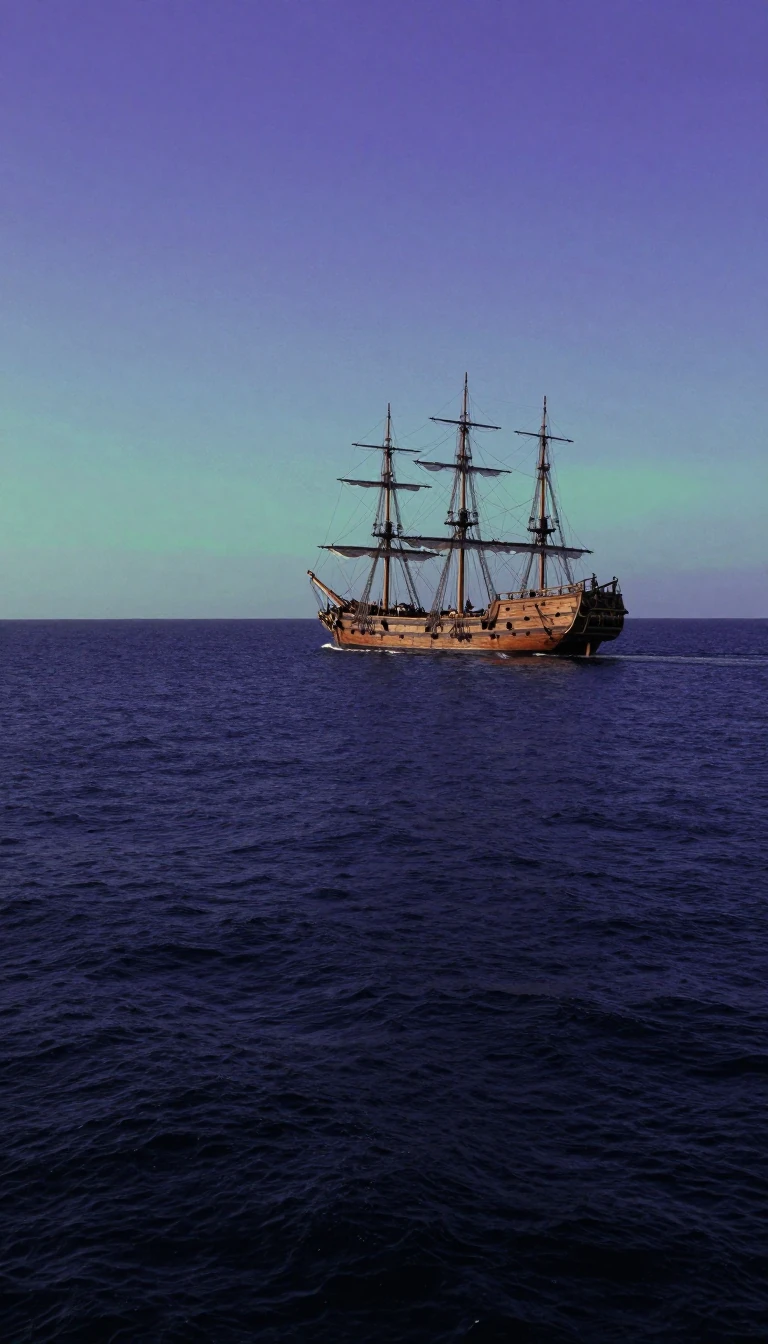
In short: During World War II, German E-boats dominated the North Sea using a clever hydrodynamic trick. By angling small side rudders, they created an artificial air pocket that lifted their sterns. This innovation allowed them to maintain a level attitude at high speeds, making them faster and harder for enemies to spot.
The E-boat (or Schnellboot) was the Western Allies' name for Germany's fast attack craft. While many small boats used flat-bottomed planing hulls, the German firm Lürssen realized that rough seas like those in the English Channel required a different approach. They developed a round-bottomed displacement hull made of wooden planking over alloy frames. This design was significantly more seaworthy than its contemporaries, such as American PT boats or British motor torpedo boats.
To maximize performance, engineers introduced the 'Lürssen Effect.' By angling small auxiliary rudders outboard to 30 degrees at high speeds, they drew in an air pocket behind the three propellers. This increased propeller efficiency and minimized the stern wave. Crucially, it kept the boat's hull nearly horizontal; by lifting the stern, the craft could achieve higher velocities while remaining difficult to detect at night due to its reduced wake.
These boats were formidable weapons of asymmetric warfare. The S26 class, for example, could reach 43.5 knots and was armed with torpedoes and various Flak guns. Their diesel engines provided a range of up to 750 nautical miles, far exceeding gasoline-powered rivals. They were organized into flotillas and served as the first naval units to respond to the D-Day invasion fleet on June 6, 1944.
The logistical reach of these craft was equally remarkable. To bolster the Black Sea front in 1942, six E-boats were transported overland from Germany to Romania—a journey involving a 60-hour road trip and a river transit down the Danube before being refitted for combat.
Opens the Intellect+ feed with this card first. Swipe up for the next one.
Sources
- Summary by Intellect · source: E-boat
To cite this card, link to https://intellectplus.co.uk/app/wars-e-boat.
How we source, check and correct cards: Editorial standards.
General information, not professional advice. Spotted an error? Flag the card or see corrections and complaints.
Intellect Plus is a visual educational discovery platform for exploring fascinating facts and ideas. Brain Food, Not Brain Rot. What is Intellect Plus?
Related
More in World wars era · More in Wars & Conflicts · Latest · A–Z · All topics
