How Germany’s U-boat fleet evolved from a desperate gamble into a global naval threat.
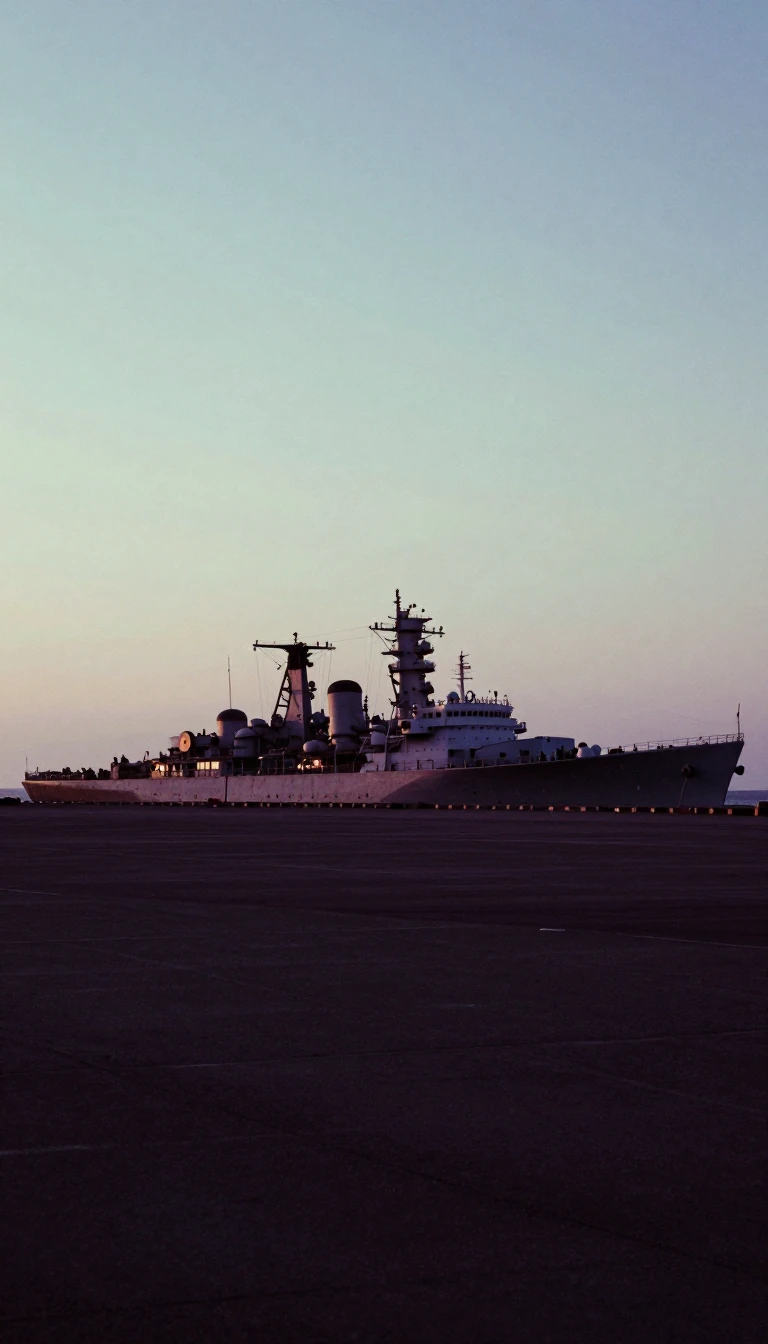
In short: U-boats were once dismissed by German naval command as expensive distractions from battleship supremacy. Yet, through secret treaty-breaking, innovative engineering, and ruthless commerce warfare, these submersibles became the most feared weapons of two world wars, nearly severing the British lifeline and forcing the United States into global conflict.
The U-boat, or Unterseeboot, originated from German attempts to challenge stronger navies, though early efforts were plagued by technical failures and skepticism. Admiral Alfred von Tirpitz initially prioritized a surface fleet, only commissioning the SM U-1 in 1906 after Russia ordered similar vessels. By the start of World War I in 1914, Germany possessed 48 submarines. These early boats faced significant limitations, such as the white exhaust from kerosene engines that betrayed their position, until diesel technology finally matured between 1910 and 1912.
During World War I, Germany turned to unrestricted submarine warfare to break the stalemate on the continent. This strategy aimed to starve the UK by sinking merchant traffic, but it proved a double-edged sword. While U-boats sank over 5,700 vessels, the sinking of liners like the RMS Lusitania outraged the United States, contributing to its entry into the war. By the 1918 armistice, 178 German U-boats had been lost, and the Treaty of Versailles subsequently forbade Germany from constructing any submarines at all.
Germany circumvented these restrictions through the Dutch design office IVS, secretly developing prototypes in Finland and Spain. By 1935, the Anglo-German Naval Agreement allowed Germany to rebuild its fleet. Under commanders like Karl Dönitz, the Kriegsmarine refined designs, moving from riveted hulls to welded ones and introducing advanced torpedoes, such as the bubble-free electric G7e. Despite these advancements, the Battle of the Atlantic eventually turned against the Germans in May 1943—a period known as Black May—as Allied anti-submarine tactics like high-frequency direction finding and the Hedgehog system neutralized the U-boat's effectiveness.
Opens the Intellect+ feed with this card first. Swipe up for the next one.
Sources
- Summary by Intellect · source: U-boat
To cite this card, link to https://intellectplus.co.uk/app/history-u-boat.
How we source, check and correct cards: Editorial standards.
General information, not professional advice. Spotted an error? Flag the card or see corrections and complaints.
Intellect Plus is a visual educational discovery platform for exploring fascinating facts and ideas. Brain Food, Not Brain Rot. What is Intellect Plus?
Related
More in UK & Ireland: history · More in History · Latest · A–Z · All topics
