The 'Flying Eye' that out-turned its own attackers
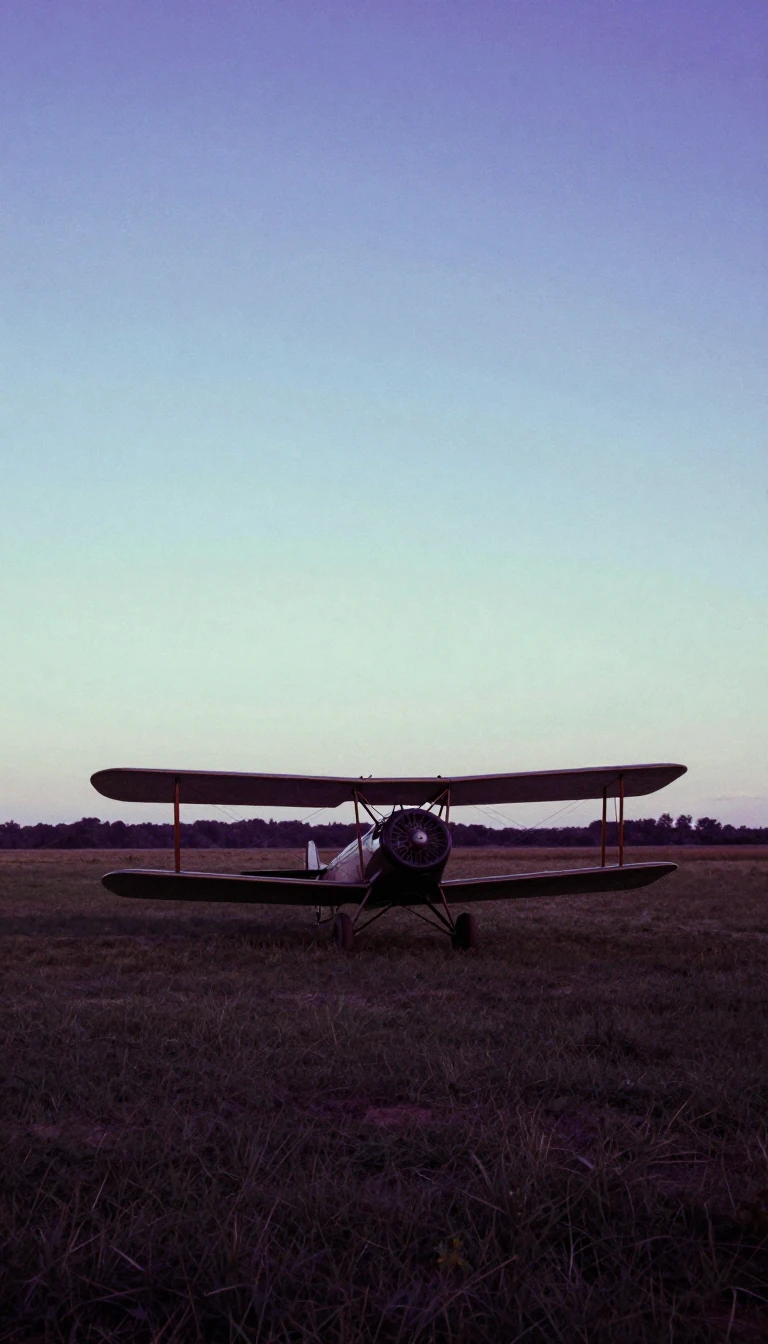
In short: With its bizarre twin-boom tail and central glass gondola, the Focke-Wulf Fw 189 looked like a steampunk relic. Yet this unconventional design allowed it to perform maneuvers so tight that even superior Soviet fighters struggled to follow, making it a master of tactical reconnaissance.
Developed in the late 1930s to replace the Henschel Hs 126, the Fw 189 was born from a Reichsluftfahrtministerium (RLM) specification requiring a three-man crew with all-round visibility and roughly 850–900 hp. While competitors like Arado chose conventional designs, chief designer Kurt Tank opted for a radical twin-boom configuration. This layout featured a central crew gondola with a stepless cockpit—meaning no separate windscreen panels—providing the pilot with exceptional sightlines during ground support missions.
Despite its strange appearance, which earned it the nickname 'Rama' from Soviet forces due to its quadrangular shape, the aircraft was highly effective. By September 1942, 172 units were operational on the Eastern Front, where they served as the Luftwaffe's primary short-range reconnaissance tool. Its unique maneuverability allowed it to fly in tight circles that out-turned attacking fighters. It also saw diverse roles, including light bombing, night fighting—where it was fitted with FuG 212 AI radar and a 20 mm autocannon—and even VIP transport.
Production was widespread, occurring in Bremen, occupied France, and Prague, totaling 864 aircraft. However, its adoption was intentionally slow; Luftwaffe officials initially felt there was little advantage to withdrawing existing Hs 126s immediately. Production only ended in mid-1944 as Germany shifted resources toward fighters like the Fw 190. The Fw 189 remains a prime example of how unconventional engineering can solve specific tactical needs, even when it defies traditional aesthetic norms.
The aircraft's versatility was further proven by its many variants: from the tropicalized 'trop' versions with air intake filters to the heavy armor of the proposed (but unproduced) Fw 189C. Even in its final days, modified A-1s were used as night fighters over Berlin, proving that a design intended for observation could be adapted into a desperate defensive tool.
Opens the Intellect+ feed with this card first. Swipe up for the next one.
Sources
- Summary by Intellect · source: Focke-Wulf Fw 189 Uhu
To cite this card, link to https://intellectplus.co.uk/app/wars-focke-wulf-fw-189-uhu.
How we source, check and correct cards: Editorial standards.
General information, not professional advice. Spotted an error? Flag the card or see corrections and complaints.
Intellect Plus is a visual educational discovery platform for exploring fascinating facts and ideas. Brain Food, Not Brain Rot. What is Intellect Plus?
Related
More in UK & Ireland: wars · More in Wars & Conflicts · Latest · A–Z · All topics
