How the Ruhr Valley industrial powerhouse became a primary target for Allied bombing raids
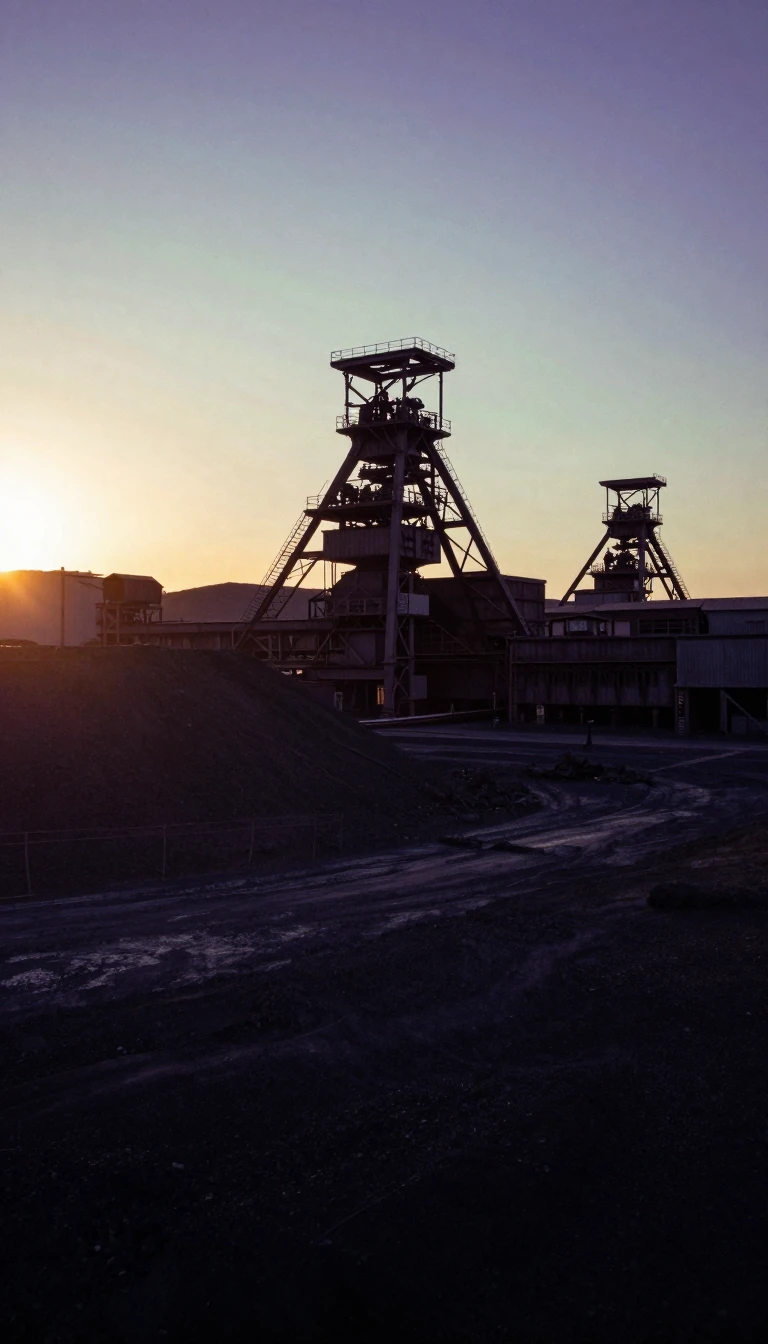
In short: Once a quiet village, Gelsenkirchen transformed into a vital industrial hub known as the city of a thousand fires. Its massive coal and steel production made it a strategic center for Germany, ultimately leading to its near-total destruction during the intense aerial campaigns of the Second World War.
Before the 19th century, Gelsenkirchen was a sparsely populated agrarian area. The discovery of coal in 1840 triggered a rapid industrial revolution, turning the region into a dense network of coal pits, steel mills, and chemical plants. By the early 20th century, Gelsenkirchen had become the most significant coal mining town in Europe, earning its nickname from the constant flaring of mine gases at night. This industrial concentration was essential to Germany's economic strength and, eventually, its military preparations.
The geopolitical landscape shifted dramatically after World War I. The return of Alsace-Lorraine to France deprived Germany of its primary iron ore source, forcing a reliance on imports. Post-war recovery was further complicated by reparations in kind, which required coal and coke deliveries to France. These tensions culminated in the 1923 occupation of the Ruhr by French and Belgian forces, which paralyzed the regional economy and contributed to the collapse of the German currency. The situation was only resolved following the 1924 Dawes Plan.
During World War II, the Ruhr's heavy industry made it a critical target for Allied forces. The destruction was catastrophic; approximately 75 percent of the region was devastated, and over one-third of its coal mines were forced to cease operations or suffered severe damage. In the post-war era, the Allies initially debated dismantling the region's industrial capacity to prevent future aggression. However, the political climate shifted after 1947, leading to a period of controlled rebuilding and modernization that eventually integrated the Ruhr into the European Coal and Steel Community by 1952.
Opens the Intellect+ feed with this card first. Swipe up for the next one.
Sources
- Summary by Intellect · source: Gelsenkirchen | Ruhr Valley, Industrial City, Coal Mining | Britannica
- Also: Gelsenkirchen
To cite this card, link to https://intellectplus.co.uk/app/wars-gelsenkirchen.
How we source, check and correct cards: Editorial standards.
General information, not professional advice. Spotted an error? Flag the card or see corrections and complaints.
Intellect Plus is a visual educational discovery platform for exploring fascinating facts and ideas. Brain Food, Not Brain Rot. What is Intellect Plus?
Related
More in World wars era · More in Wars & Conflicts · Latest · A–Z · All topics
