The military rank designed specifically for royalty and high nobility
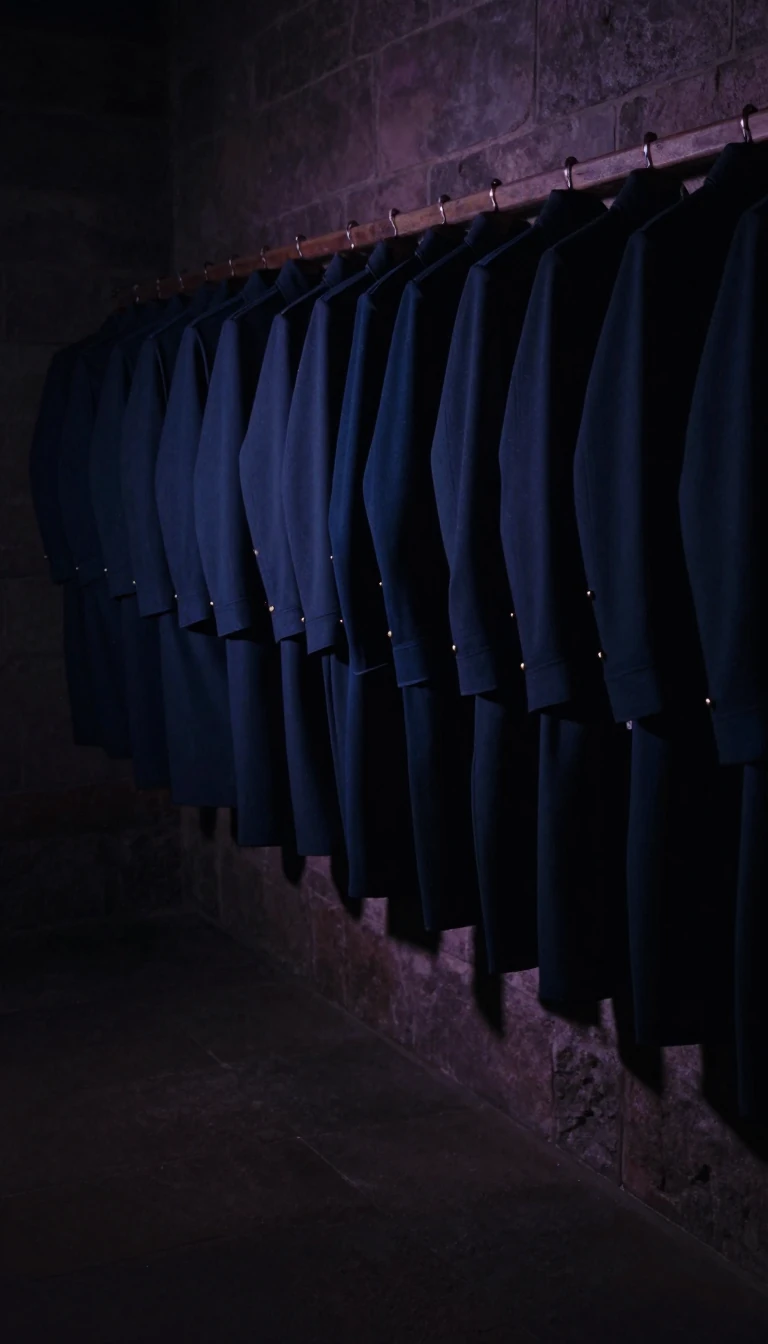
In short: In 1854, a unique German military rank was created to solve a diplomatic dilemma: how to honor royal family members without violating the rules of wartime promotion. It became a prestigious tier that bridged the gap between professional officers and the highest honors reserved for active combat.
The Generaloberst, or 'uppermost general,' was established in 1854 specifically for Prince Wilhelm of Prussia. Because the rank of Field Marshal was traditionally restricted to wartime promotions by a head of state, the Prussian monarchy needed a way to grant high military status to royal family members during peacetime. It served as the highest ordinary military grade available outside of active conflict.
For much of the 19th century, this position remained largely honorary. It was typically reserved for members of princely houses or specific figures like the Governor of Berlin. Professional officers did not begin receiving regular promotions to the rank of Generaloberst until 1911. Even then, the hierarchy was nuanced; a special distinction existed for 'Colonel generals with the rank of field marshal,' who were granted specific insignia like crossed batons despite not holding the full title.
The rank's influence spanned several regimes and nations. It served as the second-highest general officer grade in the Imperial German Army, the Reichswehr, the Wehrmacht, and even the East German National People's Army until 1991. Its reach extended beyond the battlefield into civil services, appearing in the ranks of the Waffen-SS, the Ordnungspolizei, and various police forces across different eras of German history.
Linguistically, the term is often translated as 'colonel-general' due to its similarity to the rank of Oberst (colonel). However, a more literal translation would be 'superior general,' derived from the Germanic superlative for 'upper.' This linguistic heritage reflects a military structure where prestige was tied as much to social standing and lineage as it was to tactical command.
Opens the Intellect+ feed with this card first. Swipe up for the next one.
Sources
- Summary by Intellect · source: Generaloberst
To cite this card, link to https://intellectplus.co.uk/app/wars-generaloberst.
How we source, check and correct cards: Editorial standards.
General information, not professional advice. Spotted an error? Flag the card or see corrections and complaints.
Intellect Plus is a visual educational discovery platform for exploring fascinating facts and ideas. Brain Food, Not Brain Rot. What is Intellect Plus?
Related
More in World wars era · More in Wars & Conflicts · Latest · A–Z · All topics
