How a medieval abbey survived civil strife and royal turmoil to become a landmark
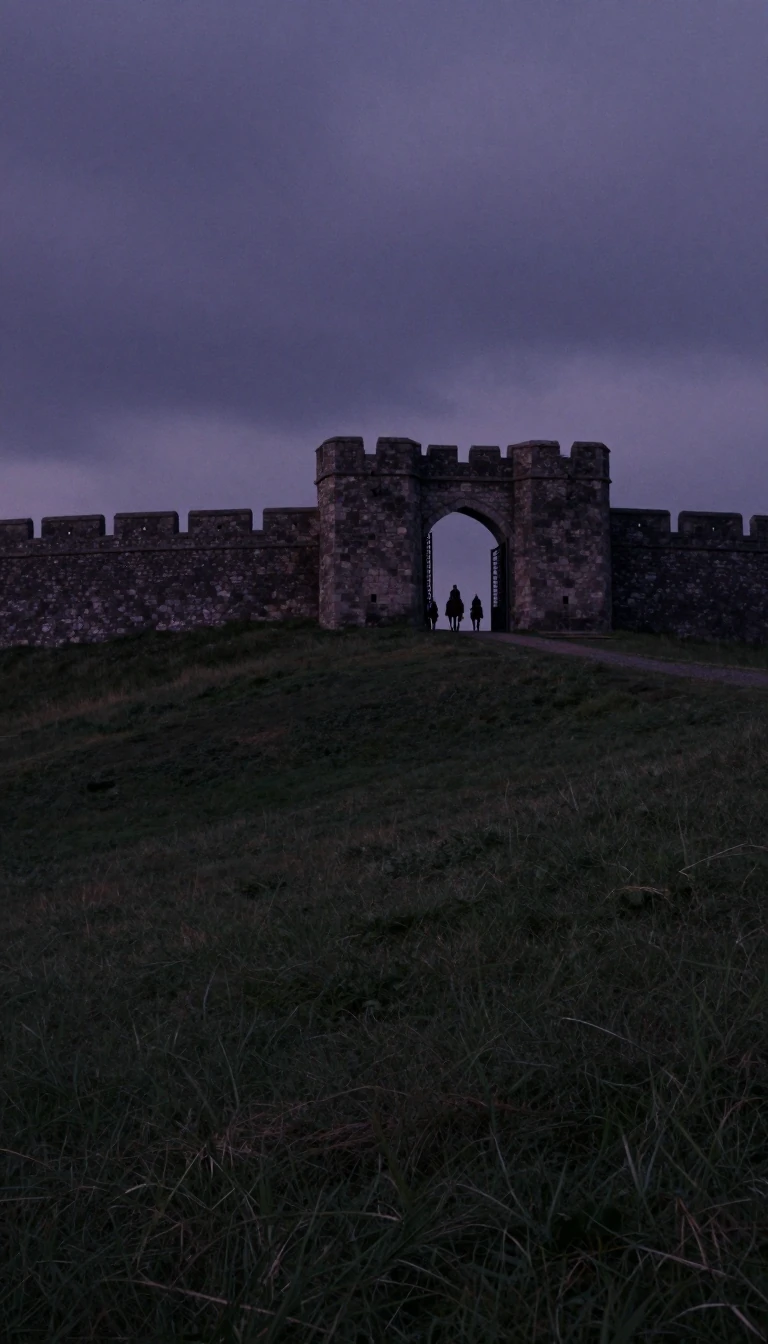
In short: Gloucester Cathedral stands as a resilient survivor of English history. From its origins as a seventh-century minster to its role as a royal coronation site and a sanctuary during wartime, this architectural marvel evolved through centuries of fire, political upheaval, and the shifting tides of religious power in Britain.
Founded around 679 by Osric, King of the Hwicce, the site began as a minster dedicated to Saint Peter. By the 11th century, it transitioned to the Benedictine Order, though its early years were precarious; by 1072, the abbey housed only two monks and eight novices. Its fortunes shifted under Abbot Serlo, who oversaw the construction of the present Norman structure starting in 1089. This rapid development was bolstered by royal favor, notably when William the Conqueror utilized the chapter house in 1085 to authorize the Domesday Book.
The cathedral’s history is marked by both royal prestige and tragedy. In 1216, the nine-year-old Henry III was crowned within its walls, reportedly using his mother’s bracelet as a substitute for a crown. A century later, the abbey became the final resting place of Edward II, who was killed at nearby Berkeley Castle in 1327. The subsequent influx of pilgrims to his shrine provided the financial resources for a massive architectural expansion, including the 14th-century reconstruction of the choir and the creation of the world’s earliest surviving structural fan vaulting.
Despite the city’s staunch Royalist leanings, the cathedral remained largely untouched during the English Civil War. During the Second World War, it served a protective role, housing the Coronation Chair in its crypt and safeguarding monuments with thousands of sandbags. Today, the cathedral continues to adapt, integrating modern sustainability initiatives like solar arrays while maintaining its status as a Grade I listed complex. It remains a rare repository of architectural styles, ranging from its original 11th-century Norman nave to the intricate Perpendicular Gothic tracery added in the 14th century.
Opens the Intellect+ feed with this card first. Swipe up for the next one.
Sources
- Summary by Intellect · source: Gloucester Cathedral
To cite this card, link to https://intellectplus.co.uk/app/wars-gloucester-cathedral.
How we source, check and correct cards: Editorial standards.
General information, not professional advice. Spotted an error? Flag the card or see corrections and complaints.
Intellect Plus is a visual educational discovery platform for exploring fascinating facts and ideas. Brain Food, Not Brain Rot. What is Intellect Plus?
Related
More in History · Latest · A–Z · All topics
