The medieval palace that was destroyed by Oliver Cromwell
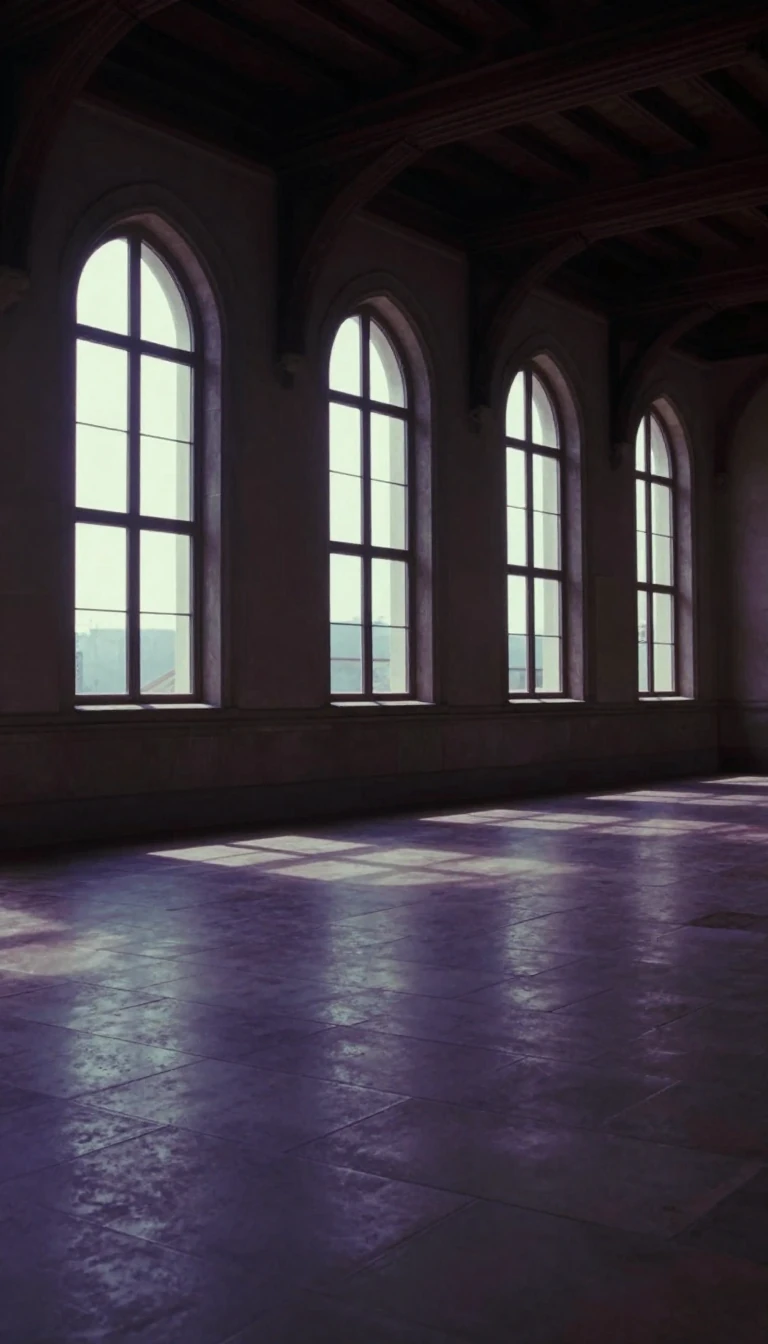
In short: In the heart of Hampshire, the ruins of Bishop's Waltham Palace stand as a silent witness to centuries of upheaval. Once a luxurious retreat for the powerful Bishops of Winchester, this scheduled monument survived Viking raids and royal visits, only to meet its end during the English Civil War.
The history of Bishop's Waltham is a timeline of destruction and reconstruction. Founded during the period 450–550 AD, this Anglo-Saxon community endured major raids, notably a Danish fire in 1001 AD. With 115 households and roughly 600 residents, the 1086 Domesday Book listed it as Hampshire's 11th biggest town. The settlement's growth was facilitated by its location at the River Hamble's source. In 904, King Edward the Elder even traded the area to the Bishop of Winchester for the Portchester estate.
The town's architectural centerpiece, the Bishop's Waltham Palace, was a vital stop for senior clergy traveling through the diocese. While the site saw a roll call of Tudor and Medieval royalty, its most dramatic moment came during the English Civil War, when the palace was destroyed on the orders of Oliver Cromwell. Today, the ruins are managed by English Heritage, and much of the original palace material was repurposed into the town's standing buildings. The palace's construction was initiated in 1158 by Bishop Henry de Blois. Even after the palace fell, its stones continued to serve the community as building materials for local structures.
The site's legacy extends beyond the palace walls. The town's name itself preserves its origins, combining the Anglo-Saxon words 'ham' (settlement) and 'wald' (forest). Beyond the medieval era, the town's history includes the 18th-century 'Waltham Blacks'—deer poachers so notorious they prompted the Black Act of 1723—and a 19th-century industrial boom driven by a world-famous terracotta works that supplied bricks for landmarks like Buckingham Palace. The local economy later shifted toward large-scale brick production, specifically the Blanchard terracotta brand. This industry was so significant that its products were used for the Natural History Museum in London.
Opens the Intellect+ feed with this card first. Swipe up for the next one.
Sources
- Summary by Intellect · source: Bishop's Waltham
- Also: Bishop's Waltham Palace | English Heritage
To cite this card, link to https://intellectplus.co.uk/app/wars-bishop-s-waltham.
How we source, check and correct cards: Editorial standards.
General information, not professional advice. Spotted an error? Flag the card or see corrections and complaints.
Intellect Plus is a visual educational discovery platform for exploring fascinating facts and ideas. Brain Food, Not Brain Rot. What is Intellect Plus?
Related
More in Medieval wars · More in Wars & Conflicts · Latest · A–Z · All topics
