The maritime nightmare of the 'Hell Ship' during World War II
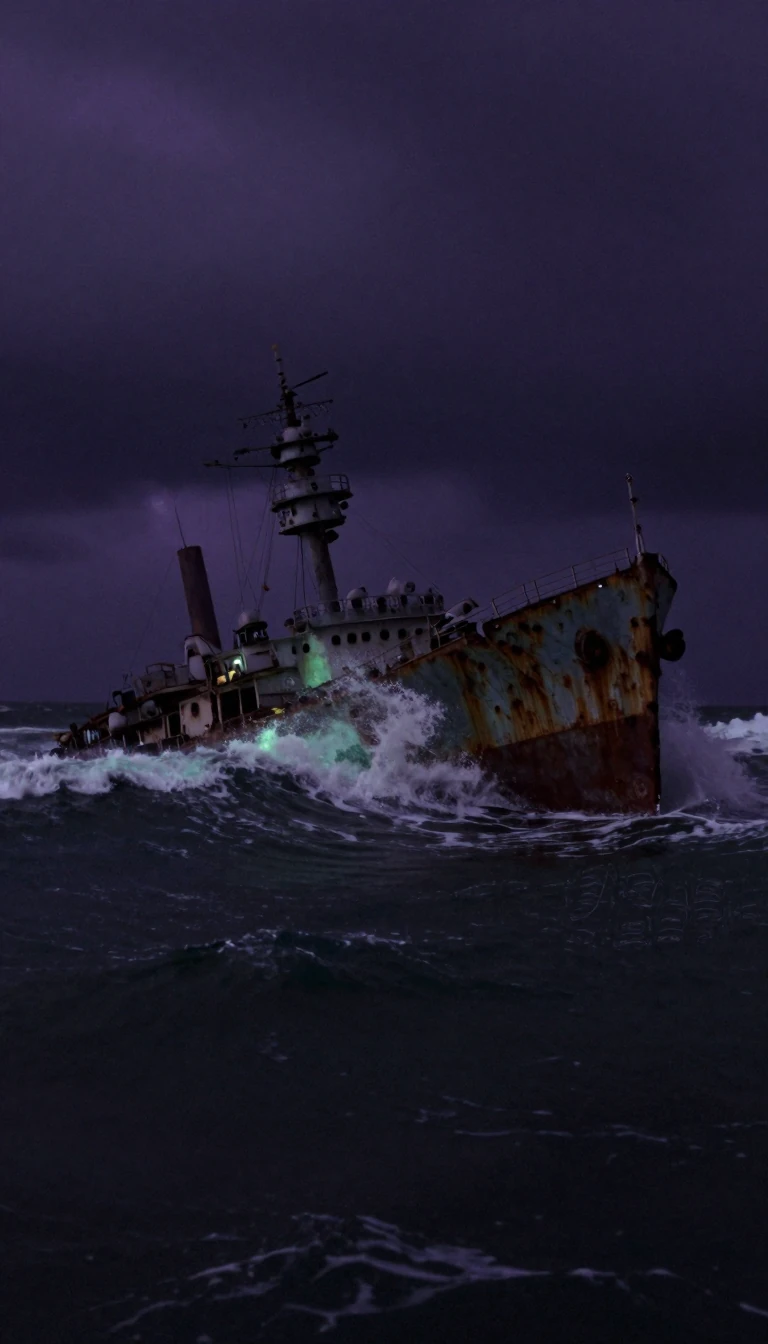
In short: Imagine being packed into a cargo hold with hundreds of others, deprived of air, water, and light for weeks. During WWII, these Japanese-requisitioned vessels became floating tombs where thousands of Allied captives faced unimaginable brutality, often caught between the cruelty of their captors and the necessity of naval warfare.
The term 'hell ship' describes vessels used by the Imperial Japanese Navy and Army to move prisoners of war (POWs) and forced laborers—known as rōmusha—across Asia. During World War II, 134 such ships conducted over 156 voyages, transporting roughly 126,000 Allied captives to locations like Formosa, Korea, and the Moluccas for slave labor. These vessels were often merchant ships requisitioned for military use, meaning they were not always marked as non-combatants.
Conditions onboard were catastrophic. Prisoners were frequently crammed into holds with minimal ventilation or sanitation, leading to widespread asphyxia, dehydration, hyperthermia, and starvation. In some instances, such as on the Oryoku Maru, prisoners became so delirious in the darkness that they attempted to kill one another for blood or urine. While summary executions and beatings were common, the largest cause of fatalities was actually Allied naval attacks. Because these ships carried both cargo and troops, they were legitimate targets for submarines and aircraft.
The human cost was staggering. More than 20,000 POWs died at sea due to these attacks. Notable tragedies include the Jun'yō Maru, where approximately 4,166 people perished when it sank in just 20 minutes, and the Rakuyo Maru, which resulted in over 1,100 deaths. These maritime horrors remain a grim testament to the intersection of systemic cruelty and the desperate mechanics of total war.
The term also has historical roots outside of WWII. During the American Revolutionary War, Patriot captives used 'hell ship' to describe dilapidated British prison vessels where diseases like dysentery were rampant. Later, the British press applied the label to Nazi-operated ships, such as the Altmark, highlighting a recurring pattern of using maritime transport as a tool of inhumane detention.
Opens the Intellect+ feed with this card first. Swipe up for the next one.
Sources
- Summary by Intellect · source: Hell ship
To cite this card, link to https://intellectplus.co.uk/app/wars-hell-ship.
How we source, check and correct cards: Editorial standards.
General information, not professional advice. Spotted an error? Flag the card or see corrections and complaints.
Intellect Plus is a visual educational discovery platform for exploring fascinating facts and ideas. Brain Food, Not Brain Rot. What is Intellect Plus?
Related
More in World wars era · More in Wars & Conflicts · Latest · A–Z · All topics
