The Hispano-Suiza HS.404 was the 20 mm cannon that defined mid-century aerial combat.
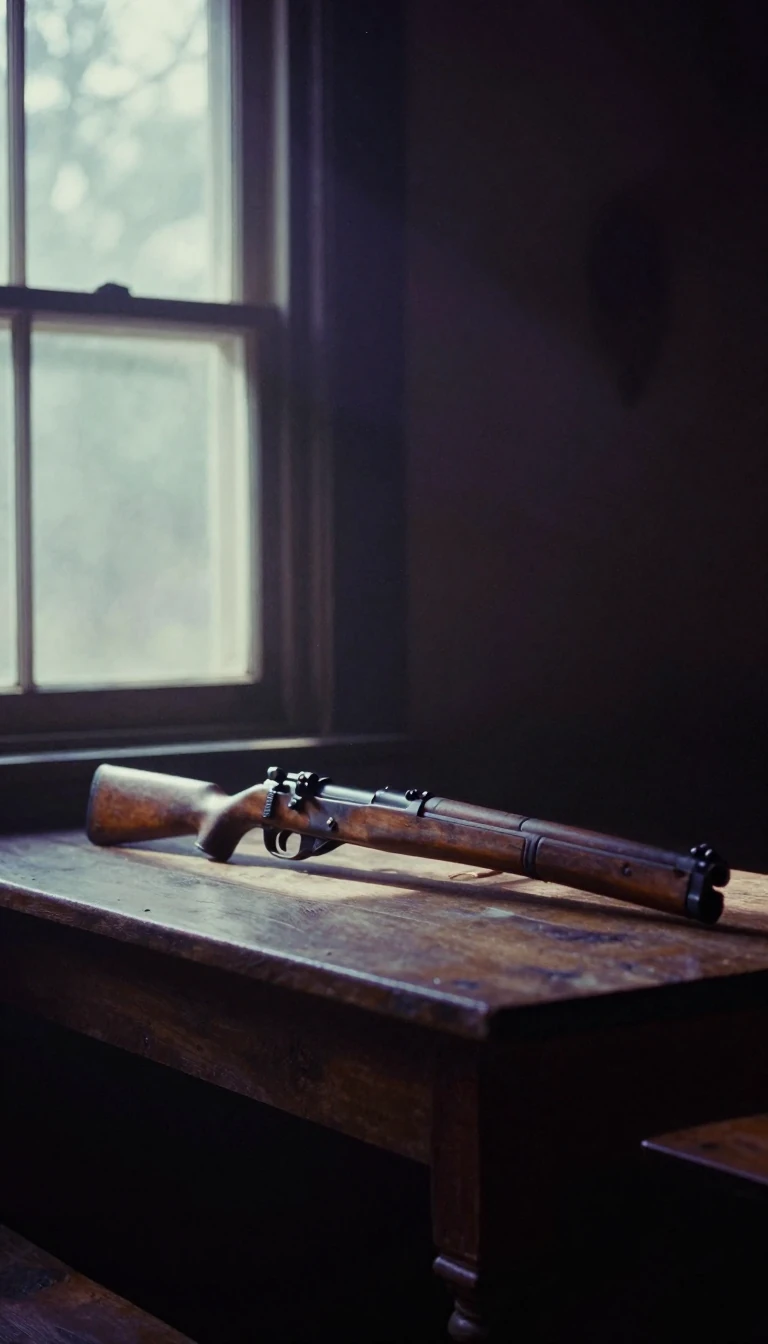
In short: Developed in the 1930s to replace machine guns, the HS.404 autocannon became a staple of World War II aviation. While it offered devastating explosive power, its transition from a Swiss design to a global military standard was plagued by mechanical failures, patent disputes, and complex international manufacturing struggles.
Designed by Marc Birkigt, the HS.404 was a gas-operated autocannon that utilized a locking bolt mechanism to achieve a rate of fire of 700 rounds per minute. By siphoning high-pressure gas from the barrel, the weapon maintained a closed-bolt design, which allowed for synchronization with aircraft propellers—a critical feature for early fighter planes like the French Hispano-Suiza 12Y-equipped models. Its 20 mm explosive projectiles provided significantly more punch than the rifle-calibre machine guns common in the 1930s, making it a preferred choice for interceptors like the Westland Whirlwind and the Bristol Beaufighter.
The weapon's journey was not without friction. After a falling out with Oerlikon over patent rights, Hispano-Suiza refined its design, but the onset of World War II and the German occupation of France disrupted production. Britain successfully adopted and improved the design, creating the Mk.II and later the Mk.V, which featured a shorter barrel to reduce drag and mechanical stress. British manufacturers, including Birmingham Small Arms, eventually produced approximately 42,500 units, solving early issues with jamming and freezing by introducing fluted chambers that prevented cartridges from sticking.
In contrast, American efforts to license and produce the cannon were largely unsuccessful during the war. Despite a massive 1941 building program, U.S.-made versions like the M1 and M2 suffered from persistent misfires and reliability issues. While the British successfully integrated the cannon into their fighter wings, the U.S. military largely relied on the .50 calibre Browning machine gun for the duration of the conflict. It was not until the post-war era that more advanced designs, such as the revolver cannon, finally superseded the Hispano-Suiza legacy, though the weapon remained in use on ground vehicles and naval vessels well into the 1960s.
Opens the Intellect+ feed with this card first. Swipe up for the next one.
Sources
- Summary by Intellect · source: Hispano-Suiza HS.404
To cite this card, link to https://intellectplus.co.uk/app/wars-hispano-suiza-hs-404.
How we source, check and correct cards: Editorial standards.
General information, not professional advice. Spotted an error? Flag the card or see corrections and complaints.
Intellect Plus is a visual educational discovery platform for exploring fascinating facts and ideas. Brain Food, Not Brain Rot. What is Intellect Plus?
Related
More in World wars era · More in Wars & Conflicts · Latest · A–Z · All topics
