The Holy Crown of Hungary is a legal person that outranks the king himself.
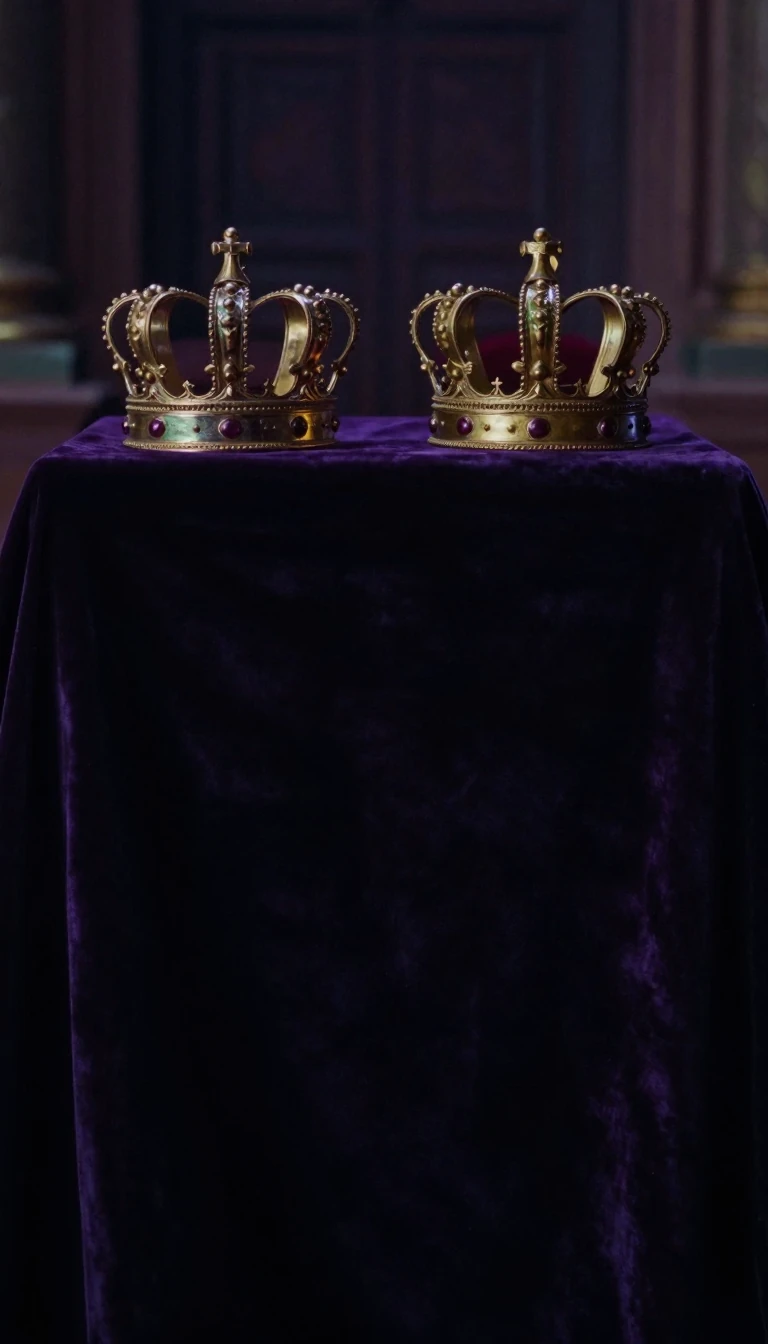
In short: More than just a royal accessory, the Holy Crown of Hungary is considered a legal entity identical to the state. For centuries, Hungarian monarchs did not seek a crown to validate their rule; they sought to prove themselves worthy of the crown, which holds supreme authority over the nation.
The Holy Crown is a complex, composite artifact rather than a single creation. It consists of three primary parts: the corona graeca (a Byzantine-style hoop), the corona latina (a cross-strap system), and a tilted cross at the summit. While popular tradition long attributed the crown to Saint Stephen I, the first king of Hungary crowned around 1000 or 1001, modern analysis suggests a more intricate history. The corona graeca, featuring enamel plaques of Emperor Michael VII Doukas and King Géza I, was likely a woman's crown gifted to Géza's wife, Synadene, around 1075.
The crown's status as a 'legal person' stems from the Doctrine of the Holy Crown, codified by Crown Guard Péter Révay in the 17th century. Under this framework, the crown is superior to the monarch, who rules only in its name. This concept elevated the object to a status comparable to the Lost Ark in Jewish tradition. The crown's holiness is often linked to the belief that it contained a fragment of the True Cross, a relic believed to possess great power. Historical accounts suggest that Queen Isabella broke a cross off the regalia in 1551 for her son, John Sigismund, who wore it as a symbol of his claim to the throne.
Technical investigations, including peer-reviewed studies from 2024–2025, have challenged older assumptions about the crown's assembly. By applying methods like failure mode and effects analysis, researchers concluded the crown was a uniformly planned structure. The cross-strap system, or corona latina, was likely adapted from a liturgical asterisk used in a Greek monastery. The crown's iconic tilted cross, damaged in the 17th century when a chest lid was closed improperly, remains a defining feature today. Since 2000, this relic of divine right has been housed in the Hungarian Parliament Building, serving as a permanent symbol of the state's continuity.
Opens the Intellect+ feed with this card first. Swipe up for the next one.
Sources
- Summary by Intellect · source: Holy Crown of Hungary
To cite this card, link to https://intellectplus.co.uk/app/wars-holy-crown-of-hungary.
How we source, check and correct cards: Editorial standards.
General information, not professional advice. Spotted an error? Flag the card or see corrections and complaints.
Intellect Plus is a visual educational discovery platform for exploring fascinating facts and ideas. Brain Food, Not Brain Rot. What is Intellect Plus?
Related
More in UK & Ireland: wars · More in Wars & Conflicts · Latest · A–Z · All topics
