The 'Daylight Gun': A machine gun that failed in the dark
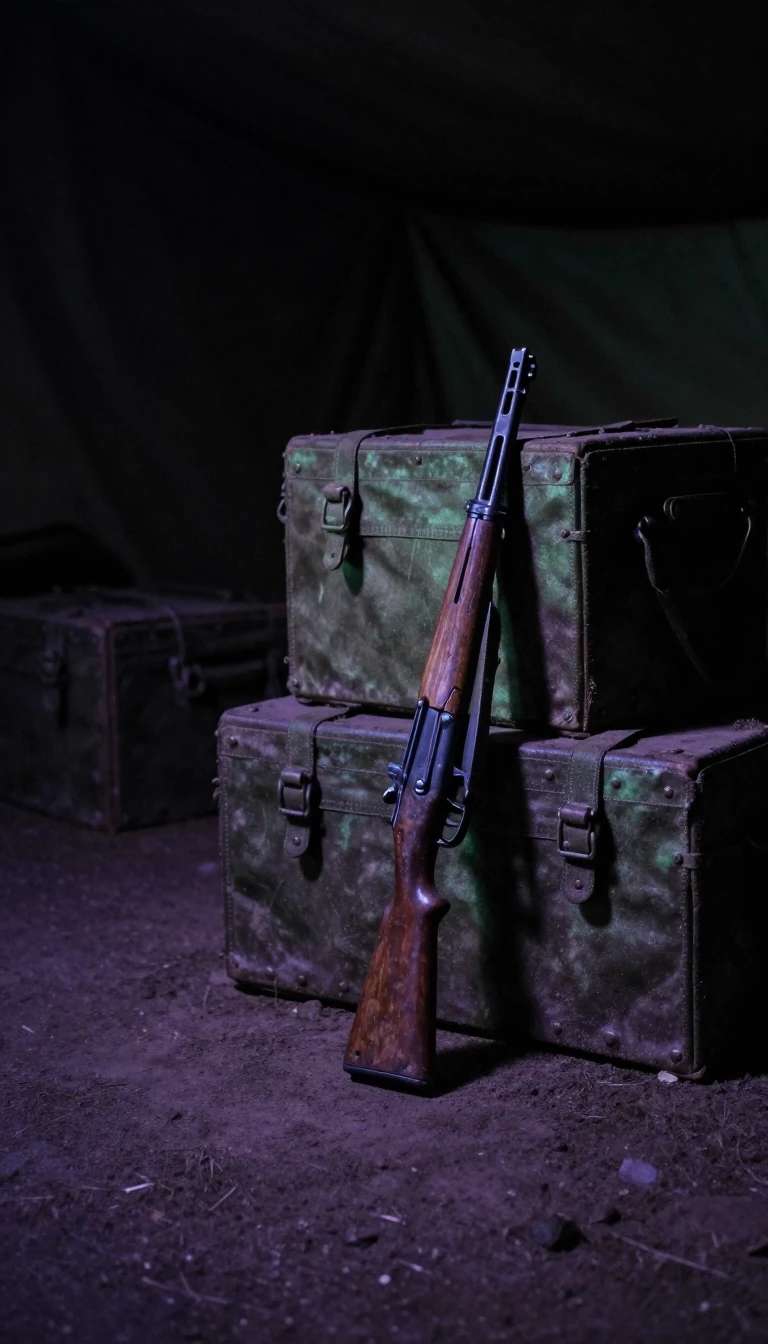
In short: In 1916, American soldiers nicknamed a primary machine gun the "daylight gun." It wasn't because of its power, but a frustrating mechanical quirk: if a loader inserted a strip upside down in the pitch black, the weapon jammed. This led to a fascinating study on human error versus engineering.
The Hotchkiss M1909 Benét–Mercié was a pivotal light machine gun of the early 20th century. Developed from an Austrian design by Adolf Odkolek von Újezd, it was refined by Laurence Vincent Benét and Henri Mercié. It featured gas operation, air cooling, and a maximum range of 3,800 meters. While it served various nations—including France, Britain, Belgium, Sweden, and Mexico—its history in the United States is particularly nuanced. The U.S. adopted the weapon in 1909 as the "Benét–Mercié Machine Rifle," replacing manually operated Gatling guns. However, early American service was plagued by frequent breakage of firing pins and extractors. During the Battle of Columbus in 1916, four guns fired a total of 20,000 rounds, highlighting its heavy usage.
The press mocked the weapon as a "daylight gun" because soldiers struggled to replace broken parts or correctly seat loading strips during nighttime operations. This reputation was eventually debunked by Major Julian Hatcher, who investigated the failures after the Battle of Columbus. He discovered that the mechanical issues were primarily caused by inadequate training rather than inherent design flaws. Once U.S. troops received proper instruction during the 1916–17 Pancho Villa Expedition, the M1909 was deemed an effective weapon. It even saw specialized use in French fortresses at Verdun and on early British Mark V* tanks.
The weapon's production history reflects the shifting tides of war. Originally manufactured in Saint-Denis, Paris, production moved to Lyon in 1914 to escape German forces. The British government later invited Hotchkiss to set up a factory in Coventry, where over 40,000 units were produced by the end of World War I. In contrast, U.S. production was limited to just 670 units, a small but significant number for the contemporary army.
Opens the Intellect+ feed with this card first. Swipe up for the next one.
Sources
- Summary by Intellect · source: Hotchkiss M1909 Benét–Mercié machine gun
To cite this card, link to https://intellectplus.co.uk/app/wars-hotchkiss-m1909-ben-t-merci-machine-gun.
How we source, check and correct cards: Editorial standards.
General information, not professional advice. Spotted an error? Flag the card or see corrections and complaints.
Intellect Plus is a visual educational discovery platform for exploring fascinating facts and ideas. Brain Food, Not Brain Rot. What is Intellect Plus?
Related
More in UK & Ireland: wars · More in Wars & Conflicts · Latest · A–Z · All topics
