From Balkan brigands to elite cavalry: the surprising evolution of the legendary hussar
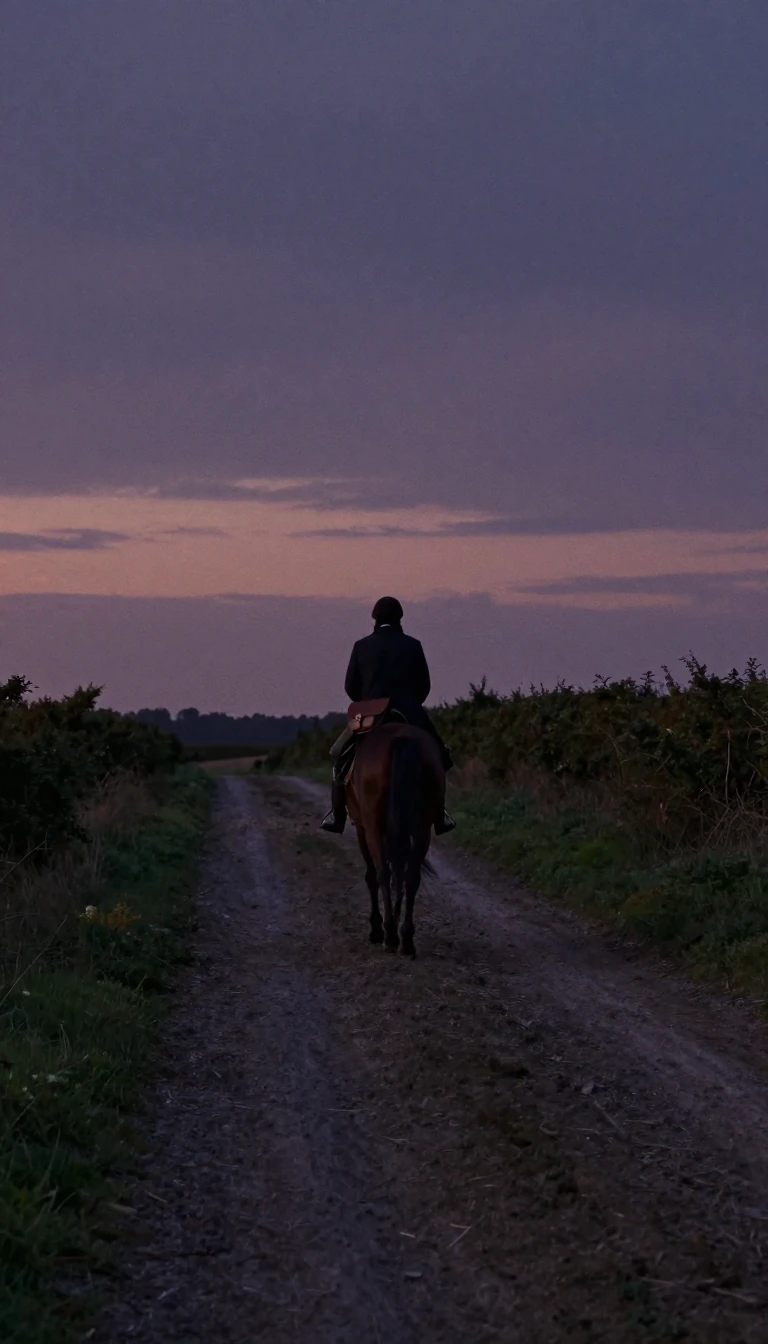
In short: Originally light horsemen from the Kingdom of Hungary, hussars evolved from irregular bands of Serb warriors into the most iconic cavalry in European history. Known for their elaborate, braided uniforms and daring tactics, these soldiers transformed from border raiders into the elite shock troops of empires across the continent.
The origins of the hussar are shrouded in linguistic and historical debate. The term likely stems from the medieval Serbian 'husar', meaning brigand, reflecting the early tactics of these light cavalry units against the Ottoman Empire. Some scholars point to 10th-century Byzantine military manuals describing 'chonsarioi' as the true ancestors of this light horse tradition. Alternatively, a Hungarian theory suggests the name derives from a 15th-century military levy, where landowners were required to provide one soldier for every twenty acres of land. Regardless of the etymology, the hussar emerged as a distinct military class in the 15th century under King Matthias Corvinus of Hungary.
By the 17th and 18th centuries, the hussar had become a fixture of European warfare. While the Polish-Lithuanian Commonwealth developed a 'heavy' version of the hussar—famous for its winged armor and decisive battlefield victories at sites like Vienna in 1683—the rest of Europe adopted the Hungarian 'light' model. These units were prized for their reconnaissance capabilities, speed, and ability to harass enemy supply lines. Their distinctive appearance, featuring the busby fur hat and heavily braided jackets, became a symbol of military prestige, eventually influencing the uniforms of armies from Prussia to Spain.
The effectiveness of these troops was perhaps best demonstrated under Frederick the Great of Prussia. Recognizing their value for surprise attacks and flank maneuvers, Frederick recruited extensively from Hungarian and Polish deserters. He even exempted his hussars from the harsh physical punishments common in the Prussian army, acknowledging their unique national character and the need to maintain their morale. Today, while the era of the horse-mounted soldier has passed, the hussar legacy persists in modern military nomenclature, with several nations retaining the title for their contemporary armored tank units.
Opens the Intellect+ feed with this card first. Swipe up for the next one.
Sources
- Summary by Intellect · source: Hussar
- Also: www.britannica.com — Hussar | Prussian, Napoleonic, Light Cavalry | Britannica
To cite this card, link to https://intellectplus.co.uk/app/wars-hussar.
How we source, check and correct cards: Editorial standards.
General information, not professional advice. Spotted an error? Flag the card or see corrections and complaints.
Intellect Plus is a visual educational discovery platform for exploring fascinating facts and ideas. Brain Food, Not Brain Rot. What is Intellect Plus?
Related
More in 19th-century wars · More in Wars & Conflicts · Latest · A–Z · All topics
