The Aegean island where Homeric heroes and ANZAC soldiers shared a home
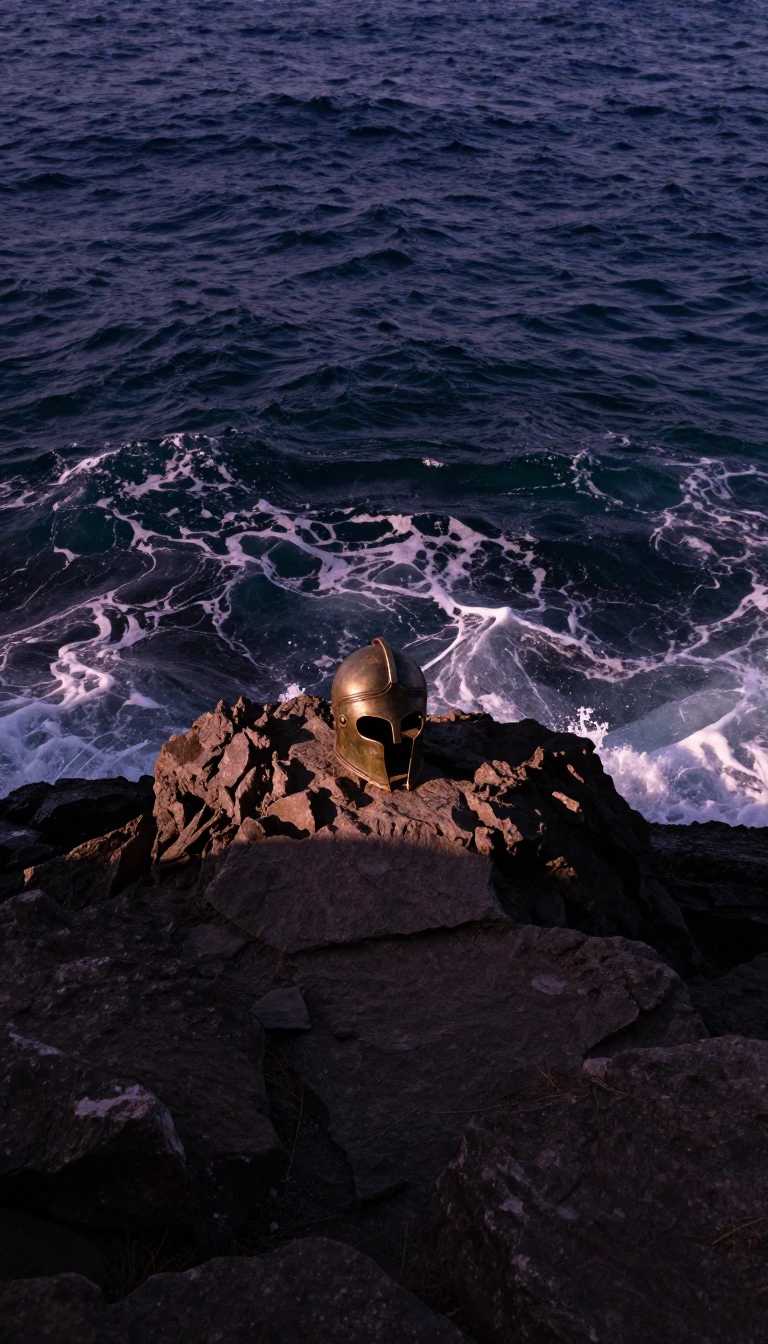
In short: From the stables of Poseidon's winged horses to the headquarters of WWI generals, Imbros has served as a sanctuary of continuity. While empires rose and fell around it, the island’s residents maintained a distinct identity, surviving centuries of shifting rule through a unique blend of autonomy and isolation.
Imbros (modern-day Gökçeada) possesses a history defined by its strategic location in the north-northeastern Aegean Sea. In antiquity, it was a site of deep religious significance, home to the 'Imbrian Mysteries' and worshipped by the Pelasgians. The island was sacred to Hephaestus, the god of metallurgy, and the Cabeiri. Its cultural footprint is so deep that it appears in Homer's Iliad, where the ruler Eëtion is mentioned, and in the Argonautica by Apollonius of Rhodes.
The island's political history is a study in shifting allegiances. It was a colony of Athens (a cleruchy) for six centuries, during which Imbrians contributed significantly to Athenian military efforts. By the 15th century, the island transitioned to Ottoman rule. Unlike many territories, Imbros was not conquered by force but through 'istimalet'—a policy of peaceful surrender.
The local leader Michael Critoboulos facilitated this transition, securing relative autonomy and a 'hermit-like' existence for the Greek population that lasted into the 20th century. The 20th century brought rapid upheaval. During World War I, the island became a vital staging post for the Allied Mediterranean Expeditionary Force, hosting the headquarters of General Ian Hamilton and serving as a base for ANZAC, British, and French forces. Following the First Balkan War in 1912, the island was briefly under Greek administration. However, the 1960s saw a period of intense discrimination and ethnic cleansing sponsored by the government of İsmet İnönü, forcing the indigenous Greek population to emigrate. Today, the island remains a site of memory, with a global diaspora of approximately 15,000 Imbriots. ] ,
Opens the Intellect+ feed with this card first. Swipe up for the next one.
Sources
- Summary by Intellect · source: Imbros
To cite this card, link to https://intellectplus.co.uk/app/wars-imbros.
How we source, check and correct cards: Editorial standards.
General information, not professional advice. Spotted an error? Flag the card or see corrections and complaints.
Intellect Plus is a visual educational discovery platform for exploring fascinating facts and ideas. Brain Food, Not Brain Rot. What is Intellect Plus?
Related
More in Ancient & biblical wars · More in Wars & Conflicts · Latest · A–Z · All topics
