The Greek island that was once more significant than Piraeus
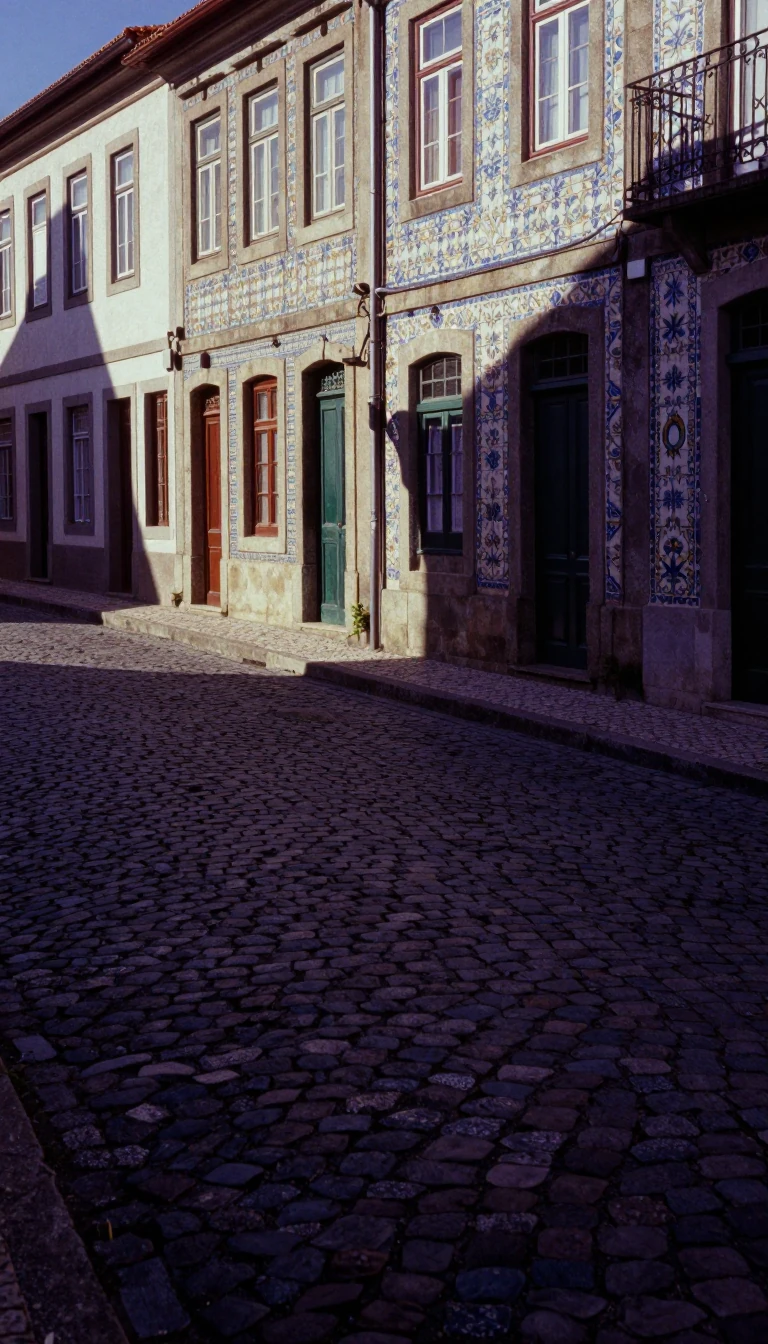
In short: In the 19th century, a small Aegean island became Greece's premier commercial hub. While modern travelers know it for its marble streets and medieval atmosphere, Syros was once an industrial powerhouse of shipyards and textiles, serving as a vital crossroads between Western Europe and the East.
Syros' transformation into a maritime titan began in earnest during the Greek War of Independence. Because of its strategic location and unique social conditions, it served as a neutral sanctuary for refugees fleeing Asia Minor and other parts of Greece. These newcomers founded Ermoupoli, which rapidly evolved into an international commercial center. By 1830, the island was a bustling hub for silk, fabrics, leather, and iron, supported by a powerful banking system and its status as a leading port.
The city's aesthetic identity is defined by 'Neoclassical' architecture—a fusion of Greek Classicism with Western Renaissance romanticism. Between 1822 and 1865, Ermoupoli was rebuilt with high-density neoclassical mansions and public buildings, including the Apollo Theatre (modeled after Milan's La Scala). This prosperity turned a quiet island into a vigorous center for crafts and production almost overnight. It even hosted Greece's first shipyard, Neorion, making it a primary site for ship building and refitting.
The island’s complex history is etched into its geography. While Ermoupoli represents the 19th-century boom, Ano Syros preserves a medieval atmosphere from the 13th century when the Venetians conquered the island. This era left a lasting religious legacy; despite being part of the Greek Orthodox world today, Syros maintained a Roman Catholic majority for centuries due to Venetian rule. Today, that history persists in a unique cultural landscape where intermarriage between churches is common and the population remains split between faiths.
Syros eventually saw a decline as steam power replaced sailing ships, shifting commercial dominance to Piraeus. However, the island's narrative is one of resilience. It survived devastating famines during the Italian occupation in World War II and has recently seen an upward trend driven by tourism and the reopening of its historic shipyards.
Opens the Intellect+ feed with this card first. Swipe up for the next one.
Sources
- Summary by Intellect · source: Syros
To cite this card, link to https://intellectplus.co.uk/app/culture-syros.
How we source, check and correct cards: Editorial standards.
General information, not professional advice. Spotted an error? Flag the card or see corrections and complaints.
Intellect Plus is a visual educational discovery platform for exploring fascinating facts and ideas. Brain Food, Not Brain Rot. What is Intellect Plus?
Related
More in Traditions & customs · More in Cultures · Latest · A–Z · All topics
