How a medieval water-fortress became the stage for England's most dramatic royal power struggles.
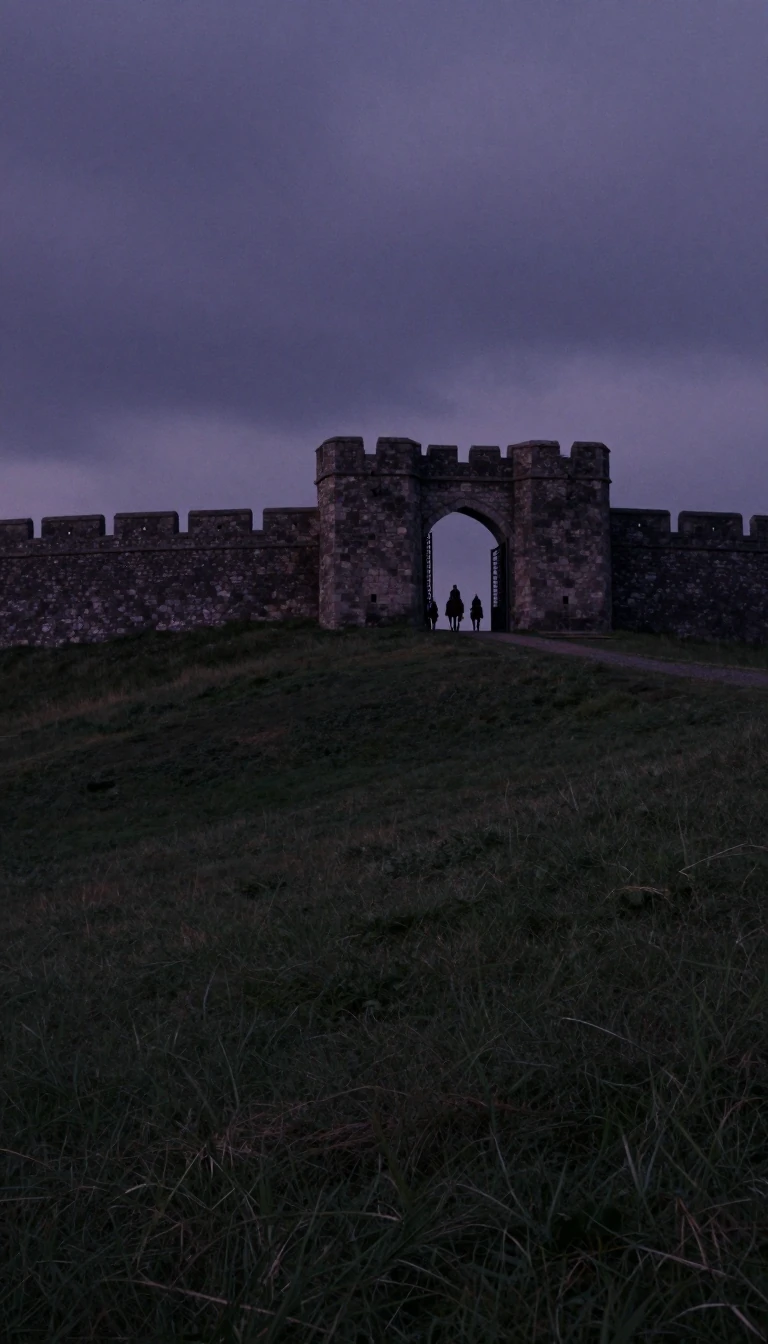
In short: Kenilworth Castle evolved from a Norman stronghold into a lavish Renaissance palace. Over five centuries, it served as a prison for a deposed king, the site of England's longest medieval siege, and a symbol of royal ambition, ultimately becoming a ruined testament to the shifting tides of English military history.
Founded in the 1120s by Geoffrey de Clinton, Kenilworth Castle was strategically positioned to counterbalance the power of the Earl of Warwick. Its early design featured a massive stone great tower, which remains a defining feature today. By the early 13th century, King John transformed the site by damming local streams to create the Great Mere, an expansive artificial lake that turned the castle into one of the most formidable water-fortresses in Britain.
The castle's military reputation was cemented during the Second Barons' War. In 1266, it became the site of a six-month-long siege, the longest in medieval English history. Despite the use of trebuchets and siege towers by royal forces, the castle's water defences held firm. The conflict only concluded through the Dictum of Kenilworth, a compromise that allowed the rebels to surrender the castle in exchange for their lands.
Beyond warfare, Kenilworth served as a grand stage for political theatre. In 1327, Edward II was forced to abdicate his throne in the castle's great hall. Later, John of Gaunt invested heavily in the site, turning it into a semi-royal palace with a perpendicular-style great hall that influenced architecture across the country. In the 16th century, Robert Dudley, 1st Earl of Leicester, added fashionable Tudor buildings and formal gardens to host Elizabeth I, blending medieval heritage with Renaissance luxury.
The castle's decline began after the English Civil War. In 1649, Parliamentary forces slighted the structure, partially destroying it to ensure it could no longer function as a military stronghold. Today, the ruins of Kenilworth provide a unique window into five centuries of architectural evolution, from Norman military engineering to the lavish, anachronistic displays of the Elizabethan era.
Opens the Intellect+ feed with this card first. Swipe up for the next one.
Sources
- Summary by Intellect · source: Kenilworth Castle
To cite this card, link to https://intellectplus.co.uk/app/wars-kenilworth-castle.
How we source, check and correct cards: Editorial standards.
General information, not professional advice. Spotted an error? Flag the card or see corrections and complaints.
Intellect Plus is a visual educational discovery platform for exploring fascinating facts and ideas. Brain Food, Not Brain Rot. What is Intellect Plus?
Related
More in Medieval wars · More in Wars & Conflicts · Latest · A–Z · All topics
