How a medieval fortress in Kent became a hub for global peace negotiations
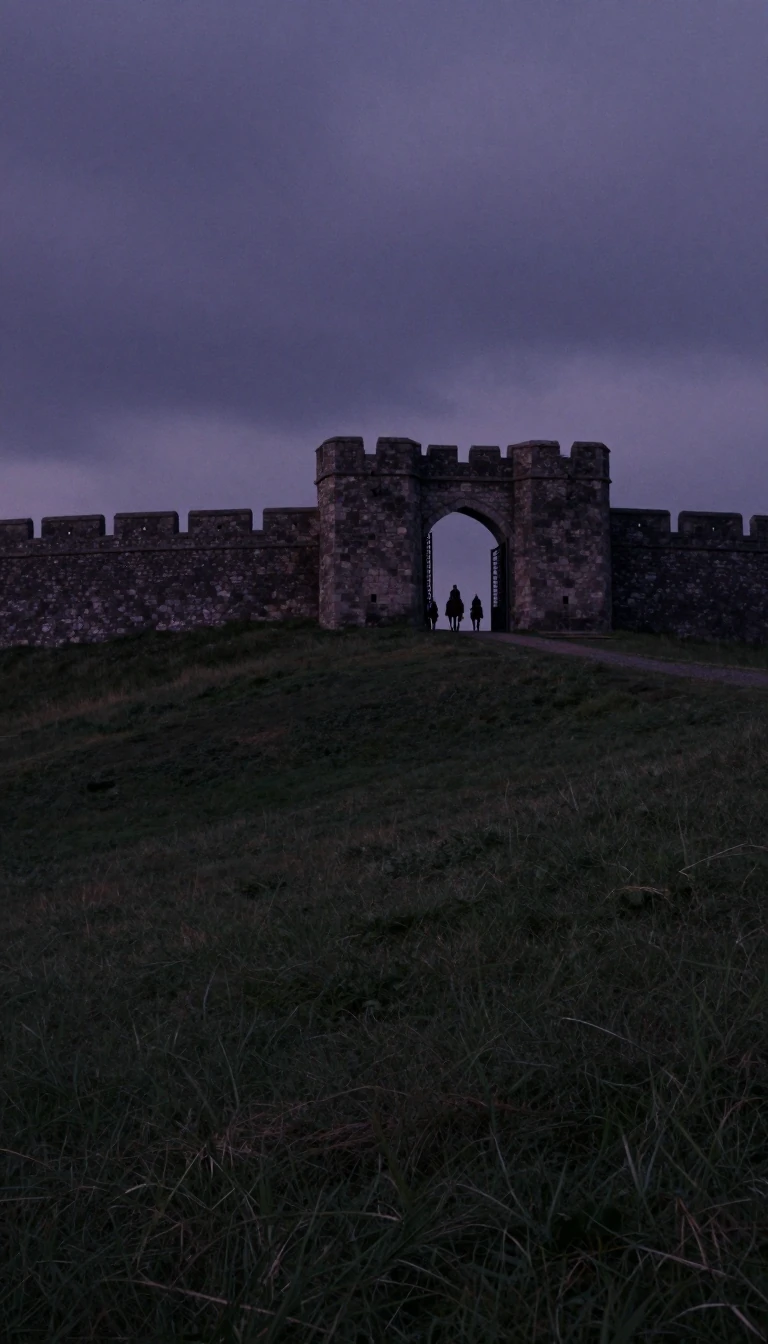
In short: Leeds Castle has evolved from a Saxon wooden structure and a royal residence for Henry VIII into a modern diplomatic stage. While it once served as a prison and arsenal during the English Civil War, it now hosts international peace talks and serves as a major heritage site for the public.
The site of Leeds Castle has been occupied since 857, beginning as a wooden structure built by a Saxon chief. By 1119, Robert de Crevecoeur transformed the site into a stone Norman stronghold. The castle gained prominence in the 13th century when Eleanor of Castile purchased it, leading to significant defensive enhancements by King Edward I, including the creation of the surrounding lake and a specialized gloriette for the monarchy. This period of investment was unusual for the era, as royal expenditure on residences in the southeast generally declined.
The castle's history is marked by dramatic political conflict. In 1321, Edward II besieged the fortress after Margaret de Clare, Baroness Badlesmere, refused entry to his consort, Isabella of France, and ordered her archers to fire upon the royal party. Centuries later, during the English Civil War, the castle avoided destruction because its owner, Sir Cheney Culpeper, supported the Parliamentarians. The estate's fortunes were later bolstered by the Culpeper family's extensive land holdings in Virginia, which provided the capital for the 19th-century Tudor-style remodelling that defines its current appearance.
In the 20th century, the castle entered a new era under Lady Baillie, who purchased the estate in 1926. She transformed it into a glamorous venue for high-society house parties, hosting royalty, politicians, and Hollywood stars. Following her death in 1974, the castle was placed in a charitable trust. It has since served as a venue for critical diplomatic events, including preparations for the 1978 Camp David Accords and the 2004 Northern Ireland peace talks, cementing its role as a unique intersection of medieval architecture and modern global diplomacy.
Opens the Intellect+ feed with this card first. Swipe up for the next one.
Sources
- Summary by Intellect · source: Leeds Castle
To cite this card, link to https://intellectplus.co.uk/app/wars-leeds-castle.
How we source, check and correct cards: Editorial standards.
General information, not professional advice. Spotted an error? Flag the card or see corrections and complaints.
Intellect Plus is a visual educational discovery platform for exploring fascinating facts and ideas. Brain Food, Not Brain Rot. What is Intellect Plus?
Related
More in Medieval wars · More in Wars & Conflicts · Latest · A–Z · All topics
