The machine pistol: a compact, high-firepower weapon that is notoriously difficult to control
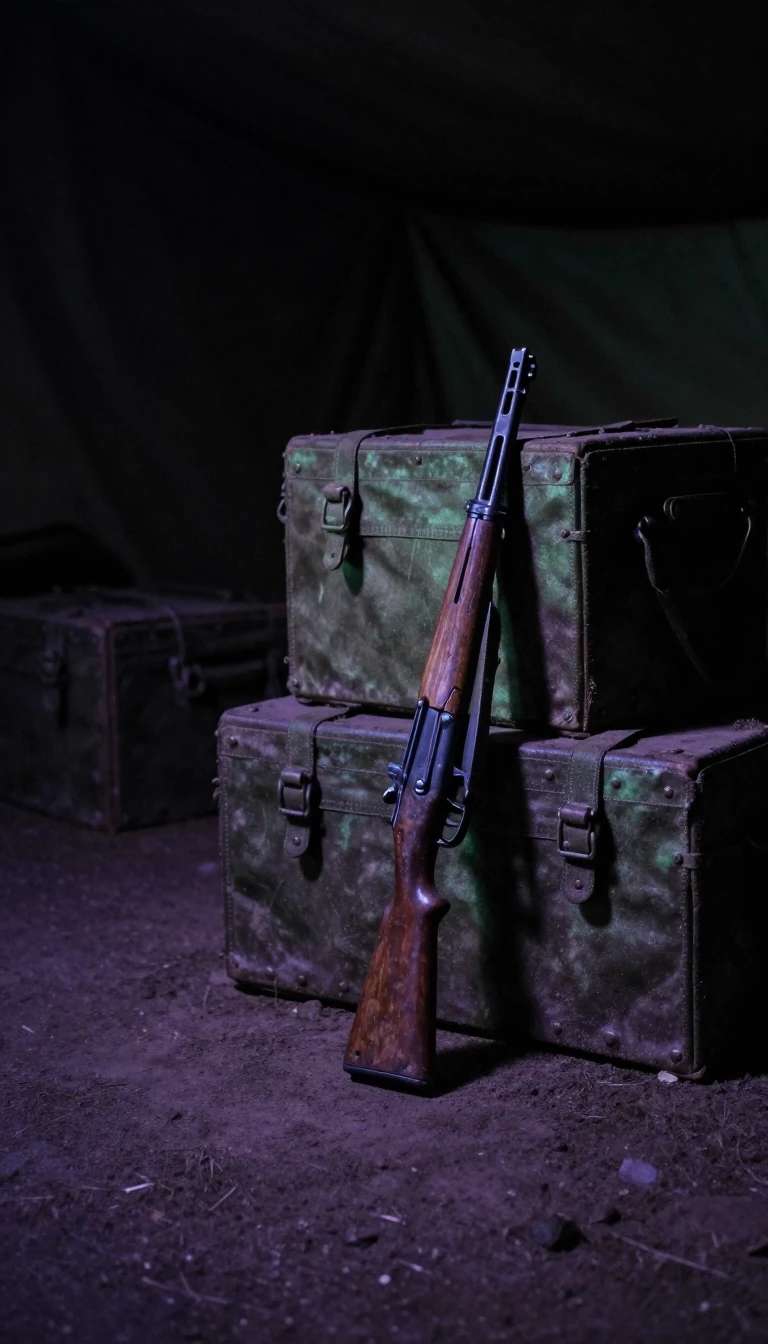
In short: A machine pistol is a handgun capable of fully automatic fire, bridging the gap between standard sidearms and submachine guns. While these weapons offer immense firepower in a small package, their high cyclic rates often make them notoriously difficult to handle, leading to specialized designs that prioritize stability over raw speed.
The concept of the machine pistol emerged during World War I, with the Austrian Steyr Repetierpistole M1912/P16 serving as one of the first combat-ready examples. These early designs often involved converting existing semi-automatic pistols to full-auto, a practice that continued with the Mauser C96. Despite their ingenuity, machine pistols were largely sidelined during World War II as major powers prioritized the mass production of submachine guns. Post-war development remained niche, focusing on specific needs for special forces, VIP bodyguards, and clandestine operations.
Controllability remains the defining challenge for the machine pistol. Because these weapons are lightweight and fire at high rates—sometimes exceeding 1,000 rounds per minute—they are prone to significant muzzle rise. To mitigate this, engineers have introduced various mechanical aids, including detachable shoulder stocks, folding forward grips, and ported barrels. Some designs, such as the Heckler & Koch VP70 and the Beretta 93R, incorporate burst-fire limiters, restricting the weapon to three-round bursts to ensure accuracy and prevent the user from wasting ammunition in an uncontrollable spray.
The distinction between a machine pistol and a compact submachine gun is often blurred, as many weapons occupy both categories. For instance, the Škorpion vz. 61 and the MAC-10 are frequently classified as both. In recent decades, the rise of the personal defense weapon (PDW), such as the Heckler & Koch MP7, has further shifted the landscape. These modern firearms utilize more powerful, armor-piercing ammunition and advanced gas systems, effectively replacing the traditional blowback-operated machine pistol in roles previously held by artillery crews and vehicle personnel.
Critics have long debated the utility of the machine pistol, with some experts labeling them as weapons of limited effectiveness. However, proponents argue that when used correctly—often by trained personnel in confined spaces or during emergency evacuations—they provide a unique advantage. While modern firearms have largely rendered the classic machine pistol obsolete for general service, their legacy persists in the specialized tools used by security and counter-terrorist units today.
Opens the Intellect+ feed with this card first. Swipe up for the next one.
Sources
- Summary by Intellect · source: Machine pistol
To cite this card, link to https://intellectplus.co.uk/app/wars-machine-pistol.
How we source, check and correct cards: Editorial standards.
General information, not professional advice. Spotted an error? Flag the card or see corrections and complaints.
Intellect Plus is a visual educational discovery platform for exploring fascinating facts and ideas. Brain Food, Not Brain Rot. What is Intellect Plus?
Related
More in War and military · More in Wars & Conflicts · Latest · A–Z · All topics
