The flawed Belgian Mauser that revolutionized military rifle design
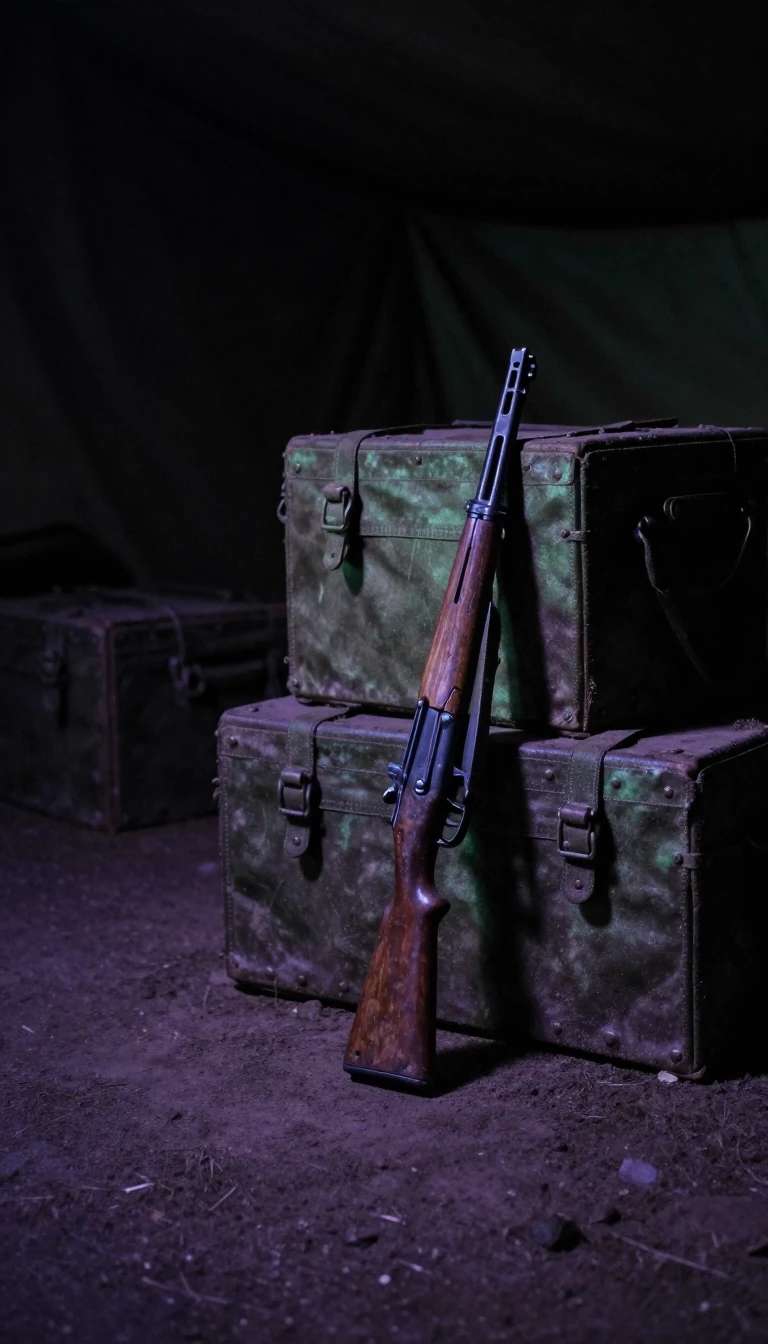
In short: In 1889, the Mauser Model 1889 introduced a game-changing detachable magazine and smokeless powder capability. Yet, this Belgian-designed rifle was plagued by malfunctions, from rupturing cartridges to deforming bolts, forcing a radical redesign that would eventually define modern military firearms.
The Mauser Model 1889 arrived during a period of rapid technological upheaval. The emergence of smokeless powder, such as Poudre B in 1887, rendered existing black powder rifles obsolete. To compete in Belgian trials, Paul Mauser developed a design featuring a revolutionary detachable box magazine and a cock-on-closing bolt action, a feature similar to the British Lee-Metford. This allowed for a significantly higher rate of fire by enabling soldiers to use 5-round stripper clips to rapidly reload the single-stack magazine.
However, the transition to high-pressure smokeless powder was not seamless. During the Belgian trials of 1888, the rifle faced significant criticism and technical failures. Some sources reported that the rear-locking bolt deformed under high pressure, while others cited difficulty in extracting empty cases due to soot buildup from imperfectly obturating cartridges. Even Mauser faced issues with cartridges rupturing and damaging the bolt face. These setbacks forced a critical engineering pivot: Mauser moved the locking lugs to the front of the bolt to prevent the receiver from stretching or compressing during firing.
The rifle also featured a unique, though controversial, thin sheet steel jacket surrounding the barrel. Intended to protect the wooden body and maintain accuracy under battlefield abuse, the jacket actually introduced new problems. Because it was not perforated to allow heat to escape, it was prone to denting, and it trapped moisture, leading to hidden rust on the barrel. Despite these flaws, the design's influence was vast. It saw service in the Ottoman Empire, Argentina, and Bolivia, and its variants were used through the 20th century, including during the Congo Crisis in 1960.
Opens the Intellect+ feed with this card first. Swipe up for the next one.
Sources
- Summary by Intellect · source: Mauser Model 1889
To cite this card, link to https://intellectplus.co.uk/app/wars-mauser-model-1889.
How we source, check and correct cards: Editorial standards.
General information, not professional advice. Spotted an error? Flag the card or see corrections and complaints.
Intellect Plus is a visual educational discovery platform for exploring fascinating facts and ideas. Brain Food, Not Brain Rot. What is Intellect Plus?
Related
More in World War I · More in Wars & Conflicts · Latest · A–Z · All topics
