The desperate industrial scale of a single pistol's wartime production
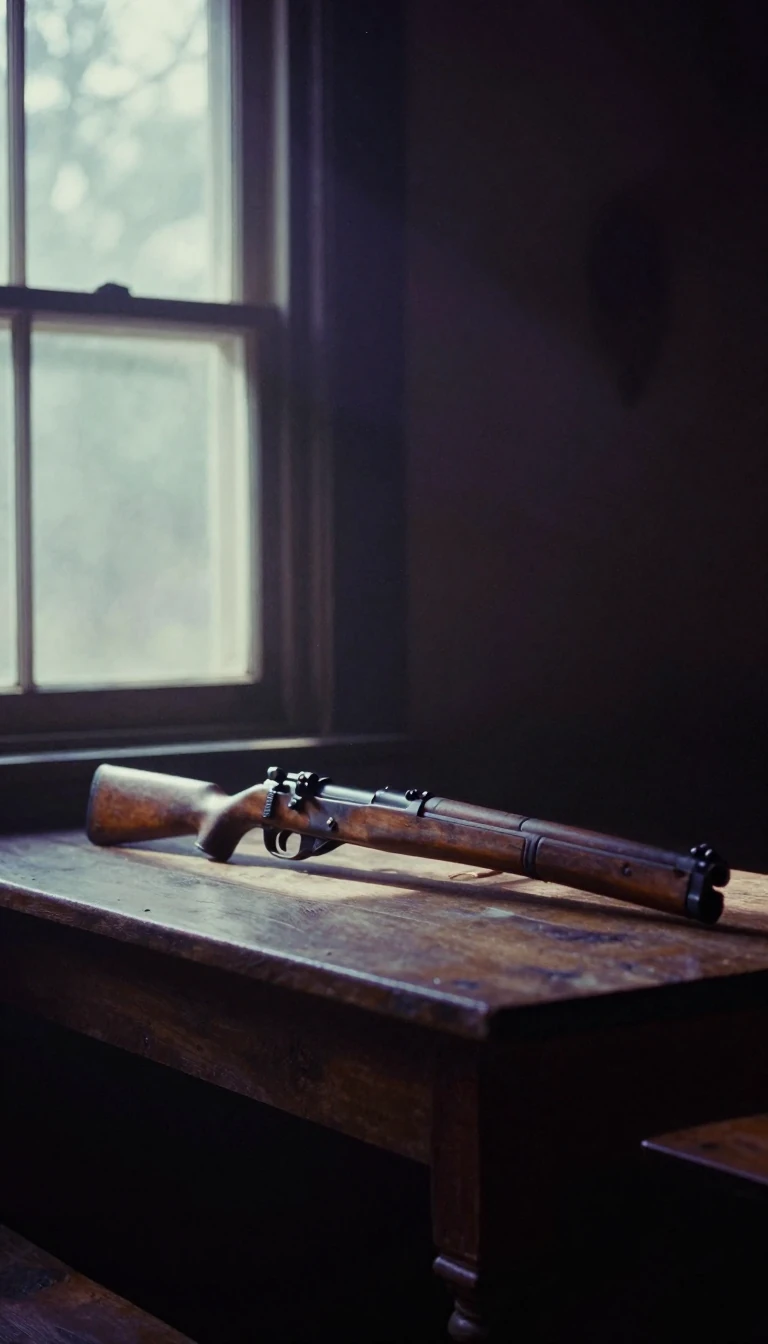
In short: When World War I left France desperate for small arms, they turned to a Spanish pistol that became a logistical nightmare. To meet demand, production spiraled so far out of control that dozens of different companies began churning out variations, creating a chaotic landscape of incompatible parts and varying safety standards.
In 1914, the Spanish firm Gabilondo y Urresti began manufacturing the Ruby, a semi-automatic pistol modeled after John Browning's 1903 Pocket Hammerless design. While it was intended for export to the Americas, the French government seized it in 1915 as a primary service weapon. The French were initially impressed by its nine-shot magazine capacity—unusual for the era—and its ease of use for novices due to low recoil. They initially contracted Gabilondo for 10,000 units per month, but as the war intensified, that target skyrocketed to 50,000 a month.
To meet this staggering demand, the procurement process became chaotic. Gabilondo was forced to recruit several partners, and eventually, at least 45 other companies were contracted directly by the French to produce 'Ruby-type' pistols. This led to a lack of standardization; different manufacturers used varying calibres, barrel lengths, and magazine capacities. The situation became so perilous that French officials had to mandate marking the base of all magazines to prevent soldiers from accidentally inserting the wrong one or having a loaded magazine detach during combat.
Quality control suffered significantly under this pressure. Many Ruby-type pistols were plagued by poor finishes and incorrectly hardened steel parts, which could lead to 'runaway guns'—a dangerous situation where the weapon fires uncontrollably. Furthermore, the lack of a visible hammer and a reliance on a single safety type made the pistols hazardous to carry 'cocked and locked.' Despite these manufacturing flaws, the Ruby remained a staple of trench warfare, used by various nations including Finland, Yugoslavia, and even Japan, until the end of World War II.
theme-key-concept
perspective human-achievement
hidden-mechanisms
Opens the Intellect+ feed with this card first. Swipe up for the next one.
Sources
- Summary by Intellect · source: Ruby pistol
To cite this card, link to https://intellectplus.co.uk/app/wars-ruby-pistol.
How we source, check and correct cards: Editorial standards.
General information, not professional advice. Spotted an error? Flag the card or see corrections and complaints.
Intellect Plus is a visual educational discovery platform for exploring fascinating facts and ideas. Brain Food, Not Brain Rot. What is Intellect Plus?
Related
More in World War I · More in Wars & Conflicts · Latest · A–Z · All topics
