The Midway-class carriers were revolutionary, yet they were too wide for the Panama Canal.
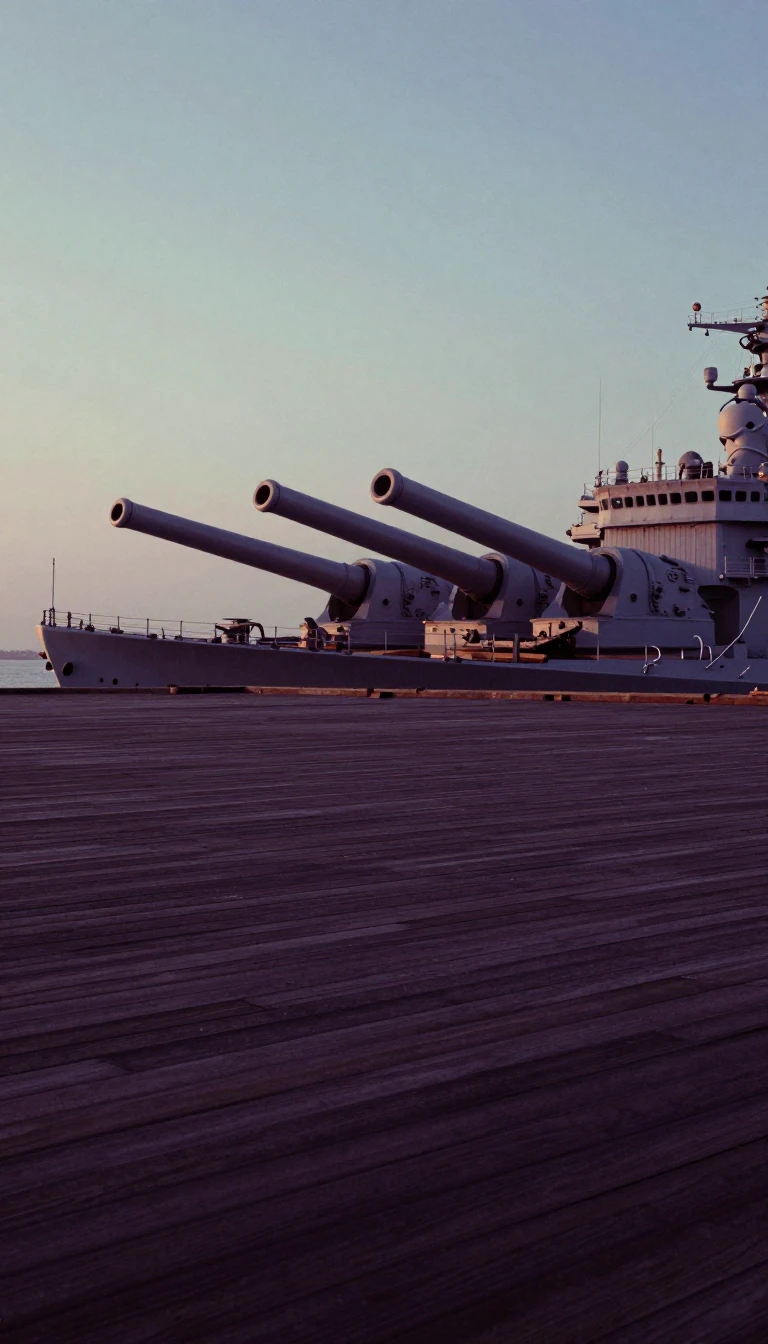
In short: Conceived during World War II, the Midway-class aircraft carriers were the first U.S. ships to feature armored flight decks. While they were designed to survive intense combat, their massive size created unexpected engineering challenges, including a hull that was too wide to transit the Panama Canal and poor seakeeping.
The Midway-class, consisting of the USS Midway, USS Franklin D. Roosevelt, and USS Coral Sea, represented a significant departure from previous U.S. Navy design. Influenced by British experience with armored carriers like HMS Illustrious, the U.S. incorporated 3-1/2-inch steel flight deck armor to protect against bomb damage. To manage the weight of this armor, designers removed heavy cruiser-caliber guns and utilized extensive electric arc-welding, which reduced structural weight by about 10%. Despite these efforts, the ships were cramped, suffered from low freeboard, and exhibited a tendency to corkscrew in heavy seas, which complicated flight operations.
These carriers were designed to support massive air wings, originally intended to carry up to 130 aircraft. However, the sheer scale of these operations proved difficult to coordinate from a single ship. As the jet age progressed, the Midway-class proved adaptable, accommodating larger and heavier aircraft through extensive modernizations like the SCB-110 program, which added angled flight decks and steam catapults. Nevertheless, their design limitations eventually became apparent; they were too small to operate newer, heavier fighters like the F-14 Tomcat and were eventually surpassed by the deeper-hulled Forrestal-class supercarriers.
The ships had varied service lives and legacies. The USS Franklin D. Roosevelt, the first carrier named after a U.S. President, was decommissioned in 1977. The USS Coral Sea and USS Midway remained in service longer, bolstered by the 1980s expansion of the Navy. Notably, the Coral Sea's F/A-18 Hornets saw combat in 1986 during Operation El Dorado Canyon, marking the combat debut of both the aircraft and the AGM-88 HARM missile. Today, the USS Midway serves as a museum in San Diego, preserving the history of a class that bridged the gap between the propeller era and modern naval aviation.
Opens the Intellect+ feed with this card first. Swipe up for the next one.
Sources
- Summary by Intellect · source: Midway-class aircraft carrier
To cite this card, link to https://intellectplus.co.uk/app/wars-midway-class-aircraft-carrier.
How we source, check and correct cards: Editorial standards.
General information, not professional advice. Spotted an error? Flag the card or see corrections and complaints.
Intellect Plus is a visual educational discovery platform for exploring fascinating facts and ideas. Brain Food, Not Brain Rot. What is Intellect Plus?
Related
More in War and military · More in Wars & Conflicts · Latest · A–Z · All topics
